
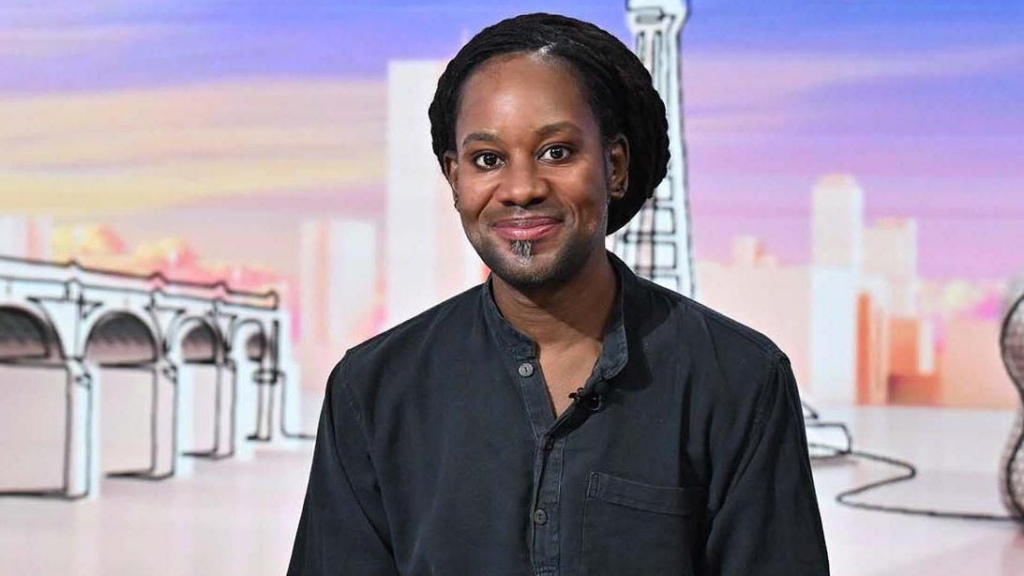
The University of Cambridge is facing renewed scrutiny after Professor Jason Arday, one of the institution’s most prominent academics, resigned with immediate effect amid an ongoing investigation into allegations of plagiarism and questions surrounding his academic credentials.
Arday, who made history in 2023 as Cambridge’s youngest Black professor when he was appointed Professor of Sociology of Education, announced his resignation in a public statement, saying stepping away was the only way to bring “this chapter to an end.” His departure follows months of controversy over claims involving his published research, academic qualifications, and statements made in his public biography.
TL;DR
- Professor Jason Arday has resigned from the University of Cambridge and Jesus College with immediate effect.
- Cambridge confirmed it has launched an investigation into new information concerning his academic qualifications and honorary appointments.
- The inquiry comes after plagiarism allegations first emerged in 2025 involving his PhD thesis and several academic publications.
- Arday has admitted to mistakes in his work but denies intentionally misleading anyone.
- The university says separate complaints regarding research misconduct remain under investigation.
Why Did Jason Arday Resign?
In a statement released through the Good Law Project, Arday described his appointment at Cambridge as “the greatest professional privilege” of his career.
However, he said the intense public attention surrounding the allegations had taken a significant personal toll.
“There comes a point when the personal cost becomes too great.”
Announcing his resignation from both the University of Cambridge and Jesus College, Arday said his decision was motivated by his well-being, his family, and a desire to move beyond the prolonged controversy.
He stressed that stepping down should not be interpreted as accepting the allegations made against him or as a loss of faith in academic scholarship.
What Is Cambridge Investigating?
The University of Cambridge confirmed that it opened a formal investigation after receiving new information concerning Arday’s:
- Academic qualifications
- Honorary appointments
In addition, the university said several complaints relating to alleged academic misconduct remain under review under its Misconduct in Research Policy.
Cambridge emphasized that the investigation would follow established university procedures and employment law while ensuring fairness to all parties involved.
The university also stated that it continues to provide support to Arday throughout the process.
What Are the Plagiarism Allegations?
The controversy first emerged in September 2025, when Times Higher Education published allegations that portions of Arday’s doctoral thesis and several academic journal articles contained plagiarized material.
According to the publication’s investigation, the allegations included:
- Text allegedly copied from other sources without proper attribution.
- Passages reportedly presented as original interview material despite matching previously published sources.
- Numerous examples of unattributed or improperly cited content across multiple publications.
Reports have claimed that investigators identified more than 180 allegedly plagiarized sentences across his work. These findings have not yet been independently confirmed by the University of Cambridge.
Arday has acknowledged errors in his publications but has consistently rejected suggestions that he intentionally misrepresented his work, stating publicly that he is “not a liar.”
How Did the Investigation Gain Momentum?
The issue attracted renewed attention after academic Nathan Cofnas, a former Cambridge researcher, publicly claimed he had identified additional instances of plagiarism in Arday’s academic work and questioned aspects of his publicly reported achievements.
Separately, media reports also scrutinized fundraising claims contained in Arday’s biography.
According to those reports, archived fundraising records differed significantly from figures cited in biographical materials regarding money raised through charitable efforts.
These additional questions contributed to increased public scrutiny and ultimately prompted Cambridge to launch a formal review.
Cambridge’s Official Response
In its latest statement, the University of Cambridge said:
- The investigation concerns newly received information relating to academic qualifications and honorary appointments.
- Separate complaints regarding research misconduct remain active.
- The inquiry will proceed according to university regulations and employment law.
- The university recognizes that an individual remains at the center of the controversy and continues to provide appropriate support.
By emphasizing due process, Cambridge signaled that no conclusions have yet been reached regarding the allegations.
Jason Arday’s Response
While announcing his resignation, Arday maintained that leaving Cambridge should not be interpreted as an admission of wrongdoing.
He thanked colleagues, students, and supporters who had stood by him throughout the controversy.
He also indicated that he intends to return to academic work in the future after taking time away.
“This is not the end of my work.”
He added that he now needs time to heal before deciding on his next professional chapter.
Why This Case Matters
The resignation has reignited discussion about research integrity and academic accountability at leading universities.
Cases involving allegations of plagiarism often raise broader questions about:
- The effectiveness of peer review.
- Institutional oversight of academic work.
- Processes for investigating research misconduct.
- Transparency in handling complaints involving senior academics.
At the same time, universities are expected to balance public accountability with fairness, ensuring that investigations are completed before definitive conclusions are drawn.
Cambridge’s decision to launch a formal inquiry reflects the seriousness with which institutions increasingly approach allegations involving research ethics and academic credibility.
What Happens Next?
Although Arday has resigned, Cambridge’s investigation is expected to continue.
The university has not announced a timeline for completing its inquiry or indicated what potential outcomes may follow.
Possible outcomes could include:
- Dismissal of allegations if evidence is insufficient.
- Findings of research misconduct.
- Recommendations regarding corrections or retractions of published work.
- Additional institutional actions, depending on the investigation’s conclusions.
Until the inquiry concludes, many of the allegations remain unproven.