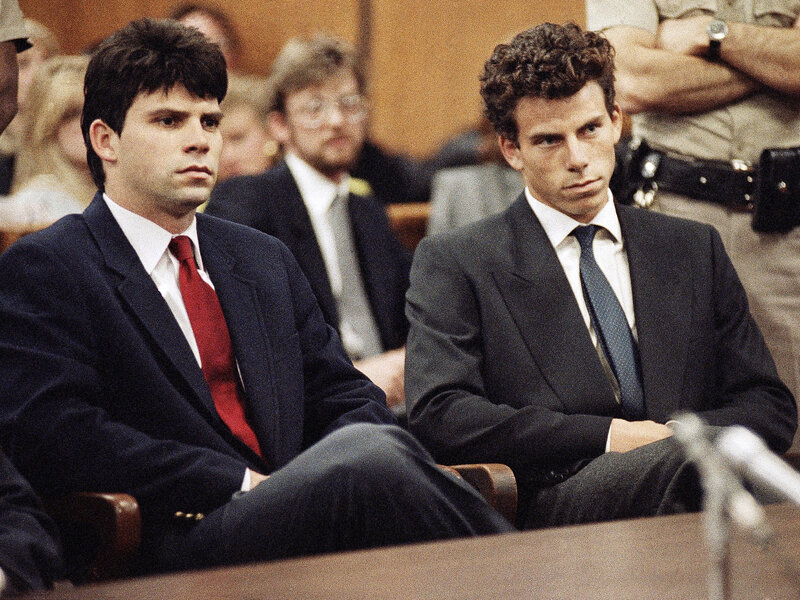
After more than three decades behind bars, Erik and Lyle Menendez have been granted their first meaningful chance at freedom since their conviction for the 1989 shotgun murders of their parents. A Los Angeles judge has reduced their sentences, setting in motion a process that could potentially lead to their release.
Historic case receives pivotal ruling
The brutal killings of entertainment executive Jose Menendez and his wife, Kitty, in their affluent Beverly Hills home captivated the nation’s attention in the late 1980s and early 1990s. Initially, the brothers claimed the murders were connected to the Mafia or their father’s business dealings, with Lyle Menendez making the 911 call to report finding their parents’ bodies.
At the time, Lyle was attending Princeton University while his younger brother Erik was pursuing a promising career as a tennis player. Their arrest, subsequent trials, and conviction became one of America’s most scrutinized legal cases, with the brothers maintaining they acted in self-defense after years of abuse by their father.
On Tuesday, Los Angeles County Superior Court Judge Michael Jesic reduced their sentences from life without parole to 50 years to life imprisonment, making them immediately eligible for parole consideration.
Case revival through media attention
The brothers’ case has experienced a significant resurgence in public interest following the release of Netflix’s “Monsters: Lyle and Erik Menendez Story” and the documentary “The Menendez Brothers” in fall 2024. These productions have been widely credited with bringing renewed attention to the decades-old case.
The original trial, coming on the heels of the O.J. Simpson case, was among the first to be extensively televised on Court TV, helping establish the template for the true crime genre that would later dominate American media. The case has inspired numerous documentaries, television specials, and dramatizations over the years.
Emotional courtroom testimony
During Tuesday’s hearing, defense attorneys presented testimony from family members and associates who spoke to the brothers’ character and rehabilitation efforts during their incarceration. The Menendez family has consistently supported the brothers and advocated for their release since resentencing efforts began last fall.
Prosecutors, who opposed the resentencing, did not call any witnesses but maintained that the brothers have not fully accepted responsibility for their crimes.
Both Erik and Lyle Menendez appeared virtually to deliver statements to the court, with Erik addressing his family directly: “You did not deserve what I did to you, but you inspire me to do better.”
Judge Jesic issued his decision immediately following the brothers’ statements, granting them the new sentence of 50 years to life.
Parole process now underway
Under California’s youthful offender law, the brothers are immediately eligible for parole consideration because they committed their crimes at ages 18 and 21, both under the threshold age of 26.
The state’s parole suitability hearings are designed to determine whether an incarcerated person should be released. According to board policy, inmates are typically scheduled for their first hearing within six months of becoming eligible.
The brothers already have a hearing scheduled for June 13 in connection with a clemency petition submitted to Governor Gavin Newsom. It remains unclear whether this will serve as their formal parole hearing or if a separate proceeding will be scheduled.
Newsom has directed the state parole board to conduct a comprehensive risk assessment to evaluate any potential danger to the public if the brothers were released.
Expert perspectives on what lies ahead
Anne Bremner, a trial lawyer in Seattle, noted that the brothers face significant pressure as they prepare for their parole board appearance.
“My guess is the parole board has been watching this, and of course, they’ve done these risk assessments already,” she said. They know “who these two are, what their alleged crimes were, and what they’ve done since the time that they were incarcerated until today.”
If denied at their initial parole hearing, the brothers will continue to receive subsequent hearings until parole is granted. Should the board approve their release, Governor Newsom would still have the authority to override that decision. If he allows the parole decision to stand, the brothers would be released from prison.
Legal maneuvers continue
In a parallel legal effort, the brothers’ attorneys filed a petition for habeas corpus in May 2023, requesting a new trial based on purported new evidence regarding their sexual abuse claims. Los Angeles prosecutors have filed a motion opposing this petition, though its current status remains unclear.
The Menendez case continues to raise profound questions about justice, rehabilitation, and the impact of childhood trauma—questions that will likely remain at the center of public discourse as their bid for freedom proceeds through California’s parole system.