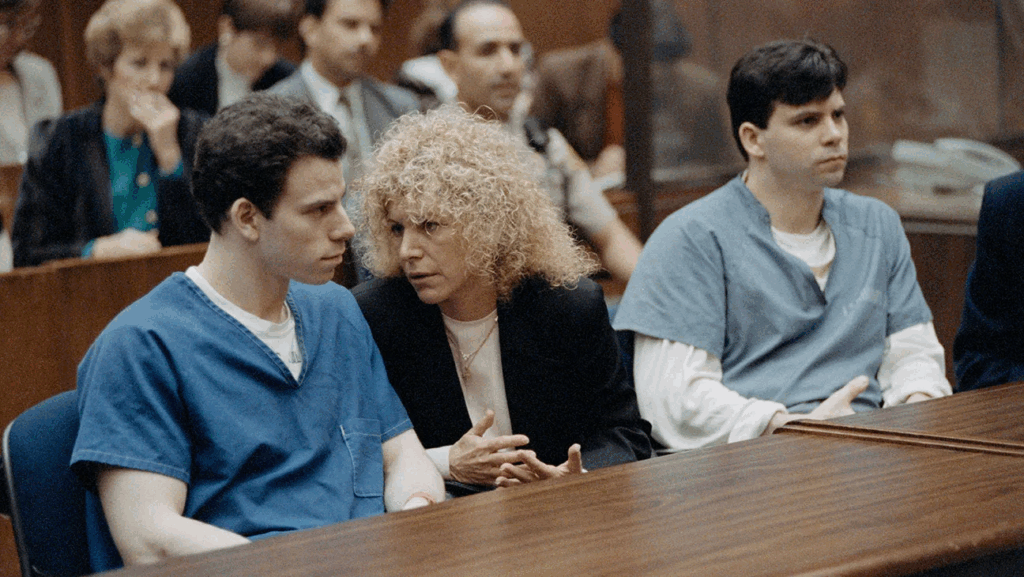
The Menendez brothers, Lyle and Erik, became household names in the 1990s after being convicted of brutally murdering their parents in a case that blended wealth, abuse, and tabloid drama. Now, 35 years later, their story is back in headlines-not for the crime itself, but for a stunning prison transformation that’s sparking debates about redemption, rehabilitation, and justice reform. For Gen Z, a generation obsessed with true crime and social change, their journey from convicted killers to prison reformers offers a provocative case study in second chances. Here’s how it unfolded.
The crime that shocked America: A timeline
August 20, 1989
Lyle (21) and Erik Menendez (18) shoot their parents, Jose and Kitty Menendez, in their Beverly Hills mansion. The brothers initially claim it was a mob hit, but their lavish spending spree post-murders-buying Rolexes, restaurants, and sports cars-raises suspicions.
March 1990
The brothers are arrested and charged with first-degree murder. Their defense shocks the world: they admit to the killings but argue they acted in self-defense after enduring years of physical, emotional, and sexual abuse by their father.
1993–1994: The trials
- July 1993: Separate trials begin. Jurors hear graphic testimony about Jose Menendez’s alleged abuse, including claims he raped Erik. The defense presents a letter Erik wrote to his cousin detailing the abuse.
- January 1994: Both juries deadlock, split on whether the brothers acted in cold blood or desperation.
1995–1996: Retrial and life sentences
- October 1995: A retrial with a single jury excludes much of the abuse evidence. Prosecutors frame the murders as a greed-driven plot to inherit the family’s $14 million estate.
- March 1996: Found guilty of first-degree murder.
- July 1996: Sentenced to life without parole.
1998–2023: Appeals and stagnation
Repeated appeals fail. The brothers are separated in prison for 22 years until reuniting at San Diego’s Richard J. Donovan Correctional Facility in 2018.
The rehabilitation blueprint: Education, advocacy, and prison reform
Educational achievements
- College degrees: Both brothers earned bachelor’s degrees. Erik is pursuing a master’s in psychology, while Lyle studies urban planning and recidivism.
- Prison programs: Launched peer-led workshops on trauma recovery and addiction. Lyle created a tutoring program for inmates pursuing GEDs.
The Green Space Project: Norway’s model in California
Inspired by Norway’s humane prisons, Lyle spearheaded an initiative to transform Donovan’s concrete yard into a park-like space with:
- A 3,000-square-foot mural of San Diego landmarks painted by Erik.
- Outdoor classrooms and meditation gardens.
- Training areas for service dogs.
The project aligns with California’s “rehabilitation-first” prison model, which has reduced recidivism by 44% since 2020.
Advocacy for vulnerable inmates
- Founded support groups for the elderly and disabled prisoners.
- Partnered with nonprofits to connect released inmates with housing and jobs.
The Backlash: “They haven’t come clean”
Not everyone believes in their transformation. Los Angeles District Attorney Nathan Hochman opposes their release, citing
- A 2025 risk assessment labeling them “moderate” reoffending risks, up from “low” in 2020.
- Erik’s 2025 cellphone smuggling incident, violating prison rules.
- Skepticism about their abuse claims: “No evidence proves Jose Menendez was a predator,” Hochman argued.
The road to freedom: What’s next?
- May 2025 resentencing: A judge reduced their sentences to 50 years to life with parole eligibility, citing their “extraordinary rehabilitation”.
- Parole hearings (June 2025): The state board will assess their risk to society. If approved, Governor Gavin Newsom has final say.
- Gen Z’s role: Petitions with 500k+ signatures demand their release, reflecting a generational shift toward restorative justice over punitive measures.
Why Gen Z is listening
- True crime meets social justice: The case taps into fascination with flawed true crime figures and systemic reform.
- Trauma-informed advocacy: Gen Z prioritizes mental health, making the brothers’ abuse claims-once dismissed-more credible today.
- Prison abolition trends: 68% of Gen Z supports rehab-focused sentencing, per Pew Research.