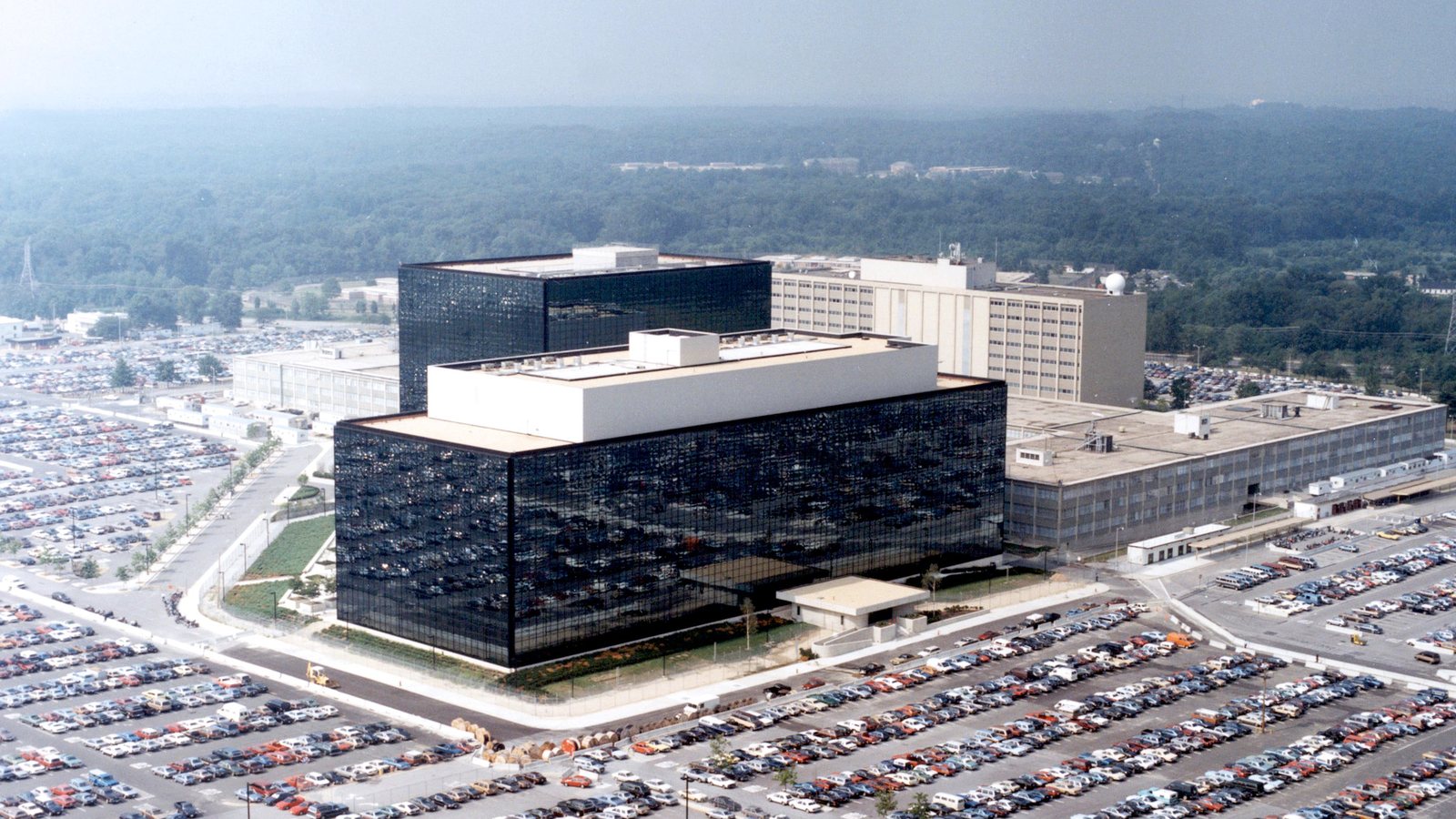
The NSA network outage that stopped work across the National Security Agency on Tuesday has one on-record explanation: routine maintenance. The National Security Agency says its classified internal network suffered a “temporary degradation during scheduled routine maintenance.” Mission-critical capabilities stayed “fully operational,” it added, per the Associated Press.
That matters because the network in question, NSANet, is where the agency’s analysts spend their day. It carries top-secret material between people whose job is to warn the government about threats. When it stops, their work stops with it.
The gap between the agency’s account and everyone else’s is the part worth watching. The NSA describes planned work. The people who talked to reporters describe a day that caught staff by surprise.
The agency says planned work, its own people describe a surprise
CNN broke the story on Tuesday, citing six people familiar with the matter. Four of them linked the outage to a series of software upgrades on the network, Nextgov/FCW reported. CNN named none of the six.
The Wall Street Journal’s single source put it more simply. The agency was “simply updating its software to patch the system,” and the outage would be temporary, Reuters reported. Two sources told CBS News the same thing, that routine patching caused it.
So the competing versions are narrower than the headlines suggest. Nobody disputes that maintenance or patching sits at the center of this. Nobody has explained the rest. Why did scheduled work take down the agency’s main platform for top-secret traffic for a working day?
The NSA has not said when the network went down, how long it stayed down, or when it came back. It also said its infrastructure carries “multiple layers of redundancy to maintain operations during planned maintenance or unexpected events.”
Nobody has found a cyberattack, and the intelligence chief says so on the record
Two US officials told CBS News there is no evidence of a cyberattack. The Journal’s source found none either.
The clearest statement came from the top of the intelligence community. Jay Clayton, the director of national intelligence, said of this week’s run of failures: “This is not a cyber attack.” He also ruled out a nation-state effort and blamed simultaneous system upgrades, per the AP.
Beth Sanner, a former senior US intelligence official, told Reuters that NSANet sits behind strong protection. She called it firewalled “by the most competent cyber agency in the world.”
Treat all of that as what officials say rather than as a finding. No agency has published a technical account of Tuesday. The NSA would not normally publish one about a classified network.
Fort Meade staggered its arrivals so staff would not all log on at once
The practical effect showed up at the gate. The agency told some staff to stagger their arrival at its Fort Meade headquarters in Maryland, CBS reported. The point was to stop everyone logging on at once. Sources called the modified schedule “Code Gray.” Non-emergency staff were the ones affected.
Some NSA activity moved to other facilities around the country. The campus itself kept running normally, because the agency operates its own secured site with its own services.
CBS asked the White House, the Pentagon and the Cybersecurity and Infrastructure Security Agency to comment. It reported no responses.
Four big failures in five days, and officials blame maintenance for each
Tuesday’s outage lands at the end of an unusual week for American infrastructure. Here is what broke, and what officials said caused it.
- Friday, Nov. 13. The FAA halted US departures for more than four hours. Officials blamed overloaded routers on an aging telecom network, as we set out in what broke during the FAA ground stop.
- Earlier that week. Microsoft 365 users lost Outlook and Teams for nearly a day. Microsoft traced that to a code defect introduced in July.
- The same stretch. United Airlines and JPMorgan Chase both broke down, which sent customers looking up what a company owes you when its systems fail.
- Tuesday, Nov. 17. NSANet.
The common thread is not an adversary. In every case the explanation offered so far is ordinary technical work on complicated systems, done at scale, going wrong. That is the uncomfortable version. An attack has a culprit and a fix. Maintenance failures on this many systems point at the age and complexity of the systems. That is a far slower problem to fix.
The NSA still has not said the network is back
The agency has not said the network is back, and nothing we found confirms it. The next real development is either that confirmation, or a congressional question about why a patch window took NSANet down for a day. The intelligence committees are the ones with standing to ask, and neither has said anything publicly yet.