
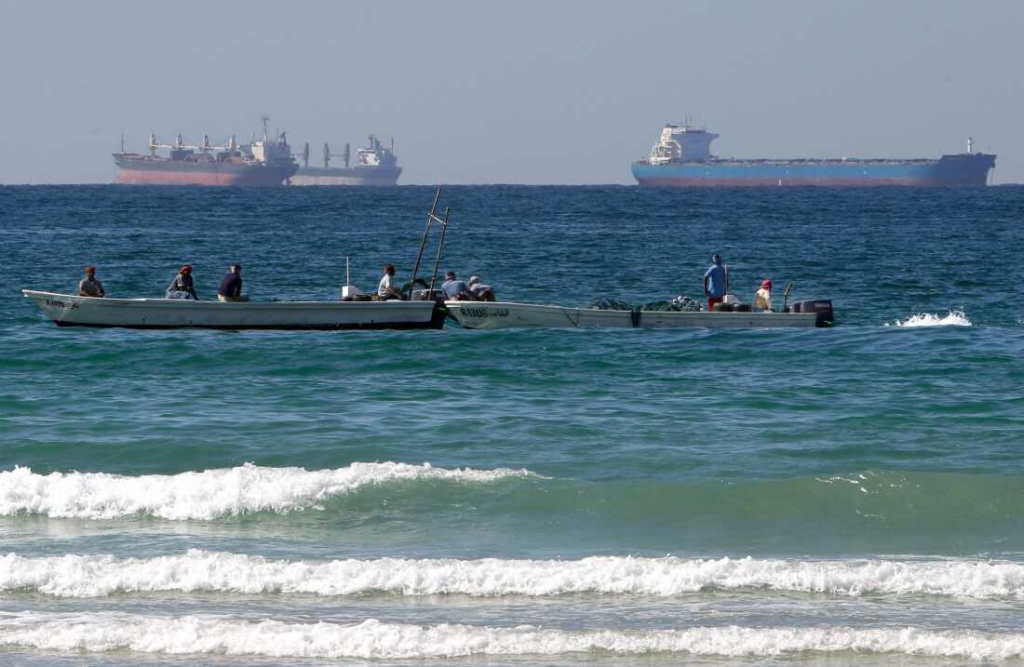
Global oil prices posted their sharpest single-day surge in four years on Monday, climbing nearly 10% to trade around $80–$82 per barrel, after Iranian drone activity and widening regional conflict rattled energy markets. The spike follows reported U.S.-Israeli strikes inside Iran and Tehran’s retaliatory actions across the Gulf — including a drone incident near Saudi Arabia’s critical Ras Tanura refinery and the reported closure of the Strait of Hormuz.
Here’s why markets reacted so aggressively, and what could come next.
Why Did Oil Prices Jump Nearly 10%?
Energy markets price risk quickly, especially geopolitical risk in the Gulf.
Three developments drove Monday’s surge:
- A drone strike near Saudi Arabia’s Ras Tanura refinery
- Precautionary shutdown of key Saudi refining infrastructure
- Iran’s reported closure of the Strait of Hormuz
Each on its own would rattle markets. Together, they triggered fears of supply disruption at scale.
What Happened at Ras Tanura?
The Ras Tanura Refinery is one of the Middle East’s largest refining complexes, with a capacity of approximately 550,000 barrels per day.
It also functions as a major export terminal for Saudi crude.
Saudi defense officials said they intercepted Iranian drones, but falling debris caused a limited fire at the site. The blaze was extinguished quickly, with no reported casualties.
However, Saudi Aramco shut the facility as a precaution.
Why Ras Tanura Matters
- Handles roughly 7% of global oil supply flows
- Critical export hub on Saudi Arabia’s Gulf coast
- Central node in global crude distribution
Even a temporary disruption can move markets sharply because traders fear escalation.
How Big Is the Strait of Hormuz Risk?
The Strait of Hormuz is the world’s most important oil chokepoint.
It accounts for:
- Nearly 20% of global oil consumption
- Around 30% of oil shipments to India
- A significant share of LNG exports
Iran’s Revolutionary Guards reportedly moved to close the waterway following U.S.-Israeli strikes.
If sustained, such a move would represent one of the most disruptive events in modern energy markets.
Why Markets Panic Over Hormuz
Oil markets react not just to lost supply — but to the risk of lost supply.
Even the perception that tanker traffic may be delayed or insurance premiums may spike can:
- Tighten physical supply chains
- Drive up futures contracts
- Trigger speculative buying
How Does This Connect to Operation Epic Fury?
The oil shock comes as the U.S.-Israeli military campaign against Iran entered its third day.
The strikes, known as Operation Epic Fury in Washington and Operation Roaring Lion in Israel, reportedly targeted leadership compounds, government buildings, and suspected nuclear sites.
They followed the assassination of Supreme Leader Ayatollah Ali Khamenei in a precision strike in Tehran.
In retaliation, Iran launched missile and drone strikes targeting:
- Israel
- U.S. military bases
- Gulf allies, including Qatar, Iraq, UAE, Bahrain, Saudi Arabia, and Jordan
The widening geography of strikes is what pushed oil markets into risk mode.
Could Saudi Arabia Join the Military Campaign?
Energy infrastructure attacks often shift political calculations.
The drone incident near Ras Tanura may draw Saudi Arabia and neighboring Gulf states closer to U.S. and Israeli operations.
Saudi Arabia has historically tried to balance confrontation with de-escalation when its oil infrastructure is targeted. But repeated attacks change that calculus.
A key question now: Does Riyadh view this as an isolated event, or the beginning of sustained targeting?
What Does This Mean for U.S. Consumers?
At $80–$82 per barrel, crude remains below historic crisis highs. But if disruption expands, gasoline prices could climb.
Short-term effects may include:
- Higher fuel prices
- Increased airline costs
- Pressure on inflation metrics
Markets will watch refinery restart timelines and tanker traffic through Hormuz for signals.
How Are Political Leaders Responding?
President Donald Trump issued a warning to Iranian forces, calling on them to “put down their weapons” and urging Iranian citizens to “take back your country,” describing the moment as “the single greatest chance” following Khamenei’s death.
Such rhetoric signals continued pressure rather than immediate de-escalation.
Tehran, meanwhile, has framed its actions as defensive and retaliatory.
The risk: both sides now face domestic and strategic incentives not to appear weak.
Is This a Temporary Spike or a Structural Shift?
Energy markets often overshoot during crises, then stabilize if infrastructure resumes operations.
Three scenarios are possible:
1. Rapid Stabilization
If Ras Tanura restarts quickly and Hormuz traffic resumes, prices may retrace gains.
2. Sustained Disruption
Extended closure or repeated drone activity could push oil well above $90 per barrel.
3. Broader Regional War
If multiple Gulf producers are drawn in militarily, the oil shock could deepen significantly.
The difference hinges on operational damage assessments and diplomatic signals in the next 48–72 hours.
The Bigger Strategic Picture
The Gulf remains the heart of global oil production.
Even with increased U.S. shale output and diversified supply chains, concentrated infrastructure like Ras Tanura and chokepoints like Hormuz give regional conflicts outsized global impact.
This latest surge underscores a simple truth: energy markets are deeply intertwined with military escalation.
TL;DR
- Oil prices surged nearly 10% to $80–$82 per barrel.
- A drone incident near the Ras Tanura refinery triggered a precautionary shutdown.
- Iran reportedly closed the Strait of Hormuz.
- Nearly 20% of global oil flows through Hormuz.
- Markets are pricing in escalation risk as conflict spreads across the Gulf.