
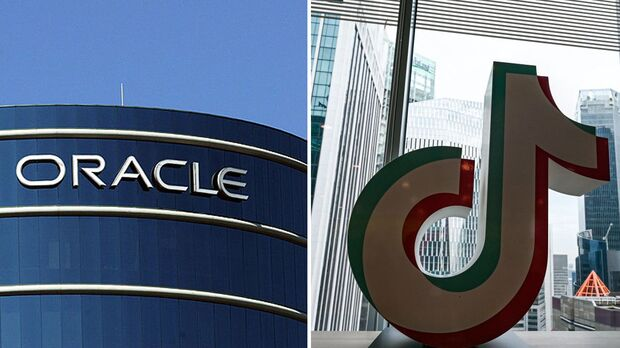
What is the new TikTok deal?
The Trump administration has reached a deal that will give Oracle operational control of TikTok’s algorithm for American users, a move aimed at addressing long-standing national security concerns tied to the app’s Chinese ownership.
A senior administration official confirmed Monday that Oracle will receive a copy of the algorithm currently owned by ByteDance, TikTok’s Beijing-based parent company. Oracle would then manage how content is delivered to U.S. users, effectively creating a domestic oversight structure for one of the world’s most influential recommendation engines.
Why does this matter?
TikTok’s algorithm is its most valuable—and most controversial—asset. Critics in Washington have warned that ByteDance could manipulate the app’s content feed to spread propaganda or influence U.S. politics. By transferring control of the U.S. version of the algorithm to Oracle, the Trump administration aims to mitigate these risks while maintaining TikTok’s availability to its roughly 170 million American users.
How did we get here?
This deal follows years of political wrangling over TikTok’s future:
- 2024: Then-President Joe Biden signed bipartisan legislation requiring ByteDance to sell TikTok’s U.S. operations or face a nationwide ban.
- 2025: President Donald Trump extended the divestment deadline multiple times while pursuing a deal that satisfied security concerns without cutting off access for millions of users.
- September 2025: Negotiations advanced after Trump’s direct talks with Chinese President Xi Jinping.
The result is a compromise: ByteDance retains ownership, but Oracle acts as a U.S.-based safeguard over the algorithm.
Who else is involved?
While full details of the investor structure have not been disclosed, the private equity firm Silver Lake is confirmed as part of the investment group. Additional U.S. investors may be announced in the coming weeks.
Will this satisfy critics?
The plan may ease some concerns on Capitol Hill but is unlikely to silence all critics. Lawmakers who favor a full divestiture argue that ByteDance’s continued control over TikTok’s global operations still poses a risk. Others may question whether Oracle can meaningfully prevent Chinese government influence over the platform.
Meanwhile, free speech advocates warn that increasing government pressure on TikTok could set a precedent for broader content regulation.
What’s next?
The agreement still needs to be finalized and tested in practice. Questions remain about:
- Transparency: How will Oracle’s oversight be verified?
- Compliance: Will ByteDance fully separate its U.S. and Chinese operations?
- Future risks: Could new legislation revisit or overturn this deal?
For now, TikTok users in the U.S. will continue scrolling as usual—but the battle over who controls what they see is far from over.