
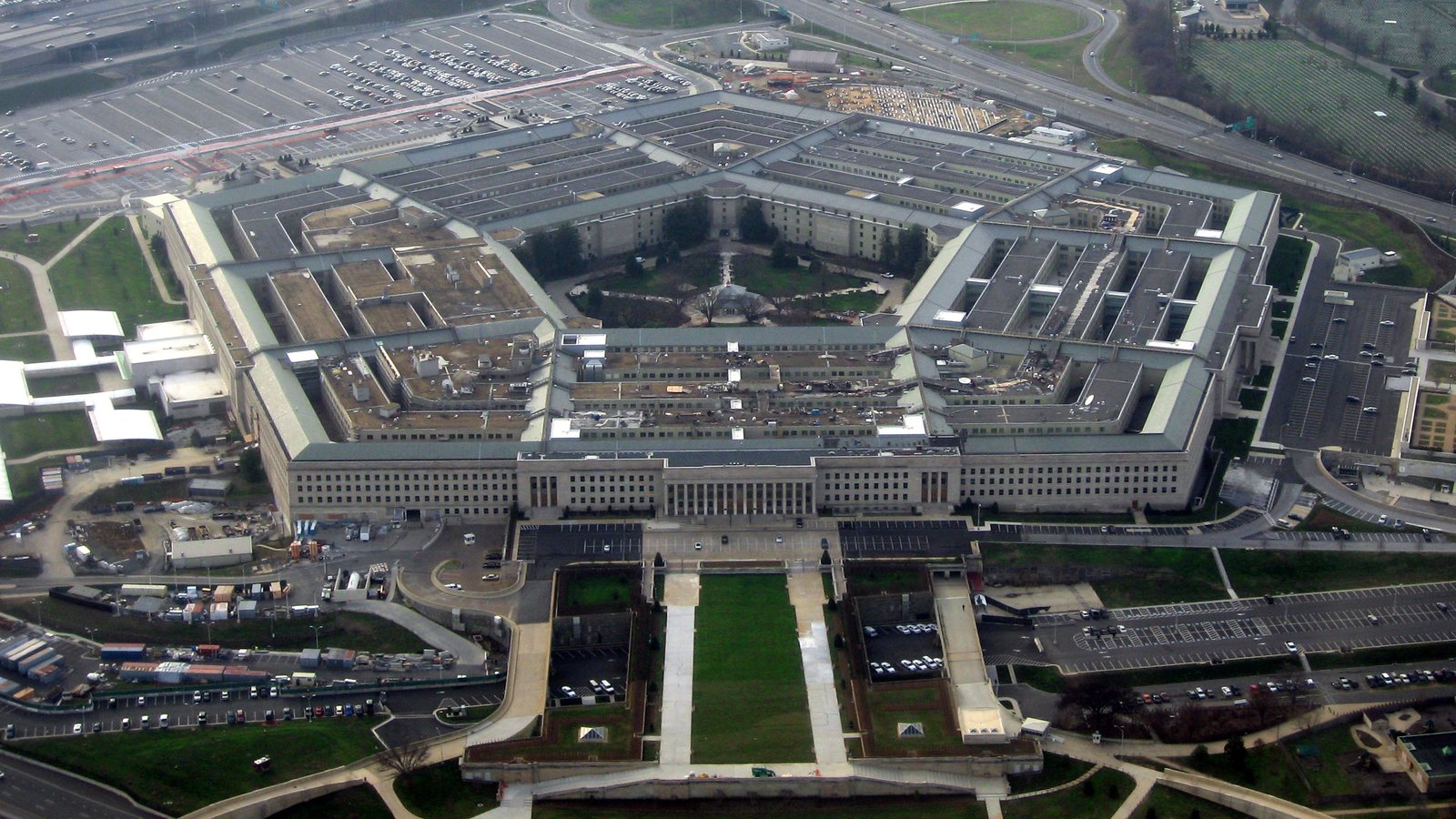

The Pentagon says all 30 universities it ordered to audit their foreign partnerships have ended or “fully mitigated” ties to institutions on its security list. The department announced on October 19 that the audits produced “more than 80 termination-related actions.” It praised seven schools for going “above and beyond.”
It did not say what those 80-plus actions were. The universities’ own letters fill in part of the picture. Many of the ties they cut were study-abroad programs, student exchanges and degree courses, not defense research.
How the August audit worked
On August 17, the Pentagon’s research and engineering office sent notices to 30 academic institutions. Each had until August 31 to audit its academic, financial and research links to “foreign entities of concern.” Schools also had to check whether sensitive or export-controlled research was exposed and adopt plans to fix any problems, which could mean ending partnerships. Future federal research funding depended on it, the department said.
The yardstick was the Section 1286 list, named after a provision of the fiscal 2019 defense policy law. The Pentagon cannot fund fundamental research that involves collaboration with any listed entity. Its July 2026 update names 130 academic and research institutions in China, Russia and Iran, most of them Chinese.
This year’s additions include Fudan University and Shanghai Jiao Tong University. The notices also covered groups linked to rebranded Confucius Institutes.
The Pentagon never published the 30 names. Reporters have identified many of them, including Harvard, MIT, Johns Hopkins, Duke and several University of California campuses, DefenseScoop reported. “The Department of War has zero tolerance for academic partnerships that compromise our national security,” Under Secretary Emil Michael said in August, the Associated Press reported.
What the seven praised universities ended
The seven were Oklahoma State, Penn State, UNC Chapel Hill, the University of South Carolina, the University of Southern California, UT Austin and Virginia Tech. Joseph Jewell, the assistant secretary for science and technology, said they “took bold, self-initiated steps to protect their labs, faculty, and intellectual property.” That account comes from Military Times.
Here is what five of them have disclosed, mostly in letters to the department:
| University | Chinese partner | What changed |
|---|---|---|
| UNC Chapel Hill | Fudan University | Study-abroad program cancelled on August 12 (Inside Higher Ed) |
| Oklahoma State | Fudan; Sun Yat-sen | Ended a hospitality degree and an exchange with Fudan; Sun Yat-sen deals to end (Washington Post) |
| UT Austin | Shanghai Jiao Tong; Shanghai University | Ending a student exchange; Shanghai University is not on the list (Washington Post) |
| Virginia Tech | Xidian University | Degree program closing after this academic year, not in 2029 (Washington Post) |
| South Carolina | Shanghai Jiao Tong | Joint business degree ended in February, before the audit (university spokesperson) |
Penn State and USC have not detailed their changes. UNC also flagged two unfunded research projects, with Harbin Institute of Technology and Shanghai Jiao Tong. Both will end once the faculty finish their papers.
The letters show schools cutting ties they called harmless. Oklahoma State research chief Kenneth Sewell wrote that “no sensitive, export-controlled or Department of War-funded research is at risk of exposure.” The school ended the Fudan deals anyway. UNC chancellor Lee Roberts called the Fudan program “unrelated to research activities.”
Some colleges pushed back
The Washington Post’s Todd Wallack reviewed responses from 17 of the schools. Most said they had planned to end the ties already, or that the links involved no sensitive technology. Six said they would keep at least some ties to Chinese universities.
Southern Illinois University Carbondale told the department it had no ongoing work with any of nine flagged Chinese entities. It later ended an agreement with Shenyang Aerospace University at the Pentagon’s insistence, the Post reported. Drake University in Iowa defended its joint degree with Qingdao University, which is not on the list. “We do not meet any of the criteria in the letter or the press release that would be cause for concern,” Drake president Marty Martin wrote.
The American Council on Education objected from the start. “We don’t appreciate the implication that we are not good partners on research security,” vice president Sarah Spreitzer told the AP. China’s embassy said it opposed the politicization of “normal scientific, educational, and academic exchanges.”
The audit adds to wider federal pressure on campus ties to China. In 2025 the Trump administration tried to bar foreign students from Harvard, and a Chinese doctor was accused of stealing US cancer research. In August, Ohio State agreed to pay $2.1 million to settle claims it failed to disclose staff ties to Chinese institutions on federal grants.
The Section 1286 list decides what comes next
The Pentagon has not said whether any school will lose funding. “Our work will continue,” Michael said on October 19. The department says it will keep updating the list and “assess universities that retain problematic relationships” with listed entities.
That makes the list the thing to watch. Fudan’s addition in July ended programs at two of the seven praised schools within weeks. The next update will show whether the audits reach beyond the first 30 universities.