
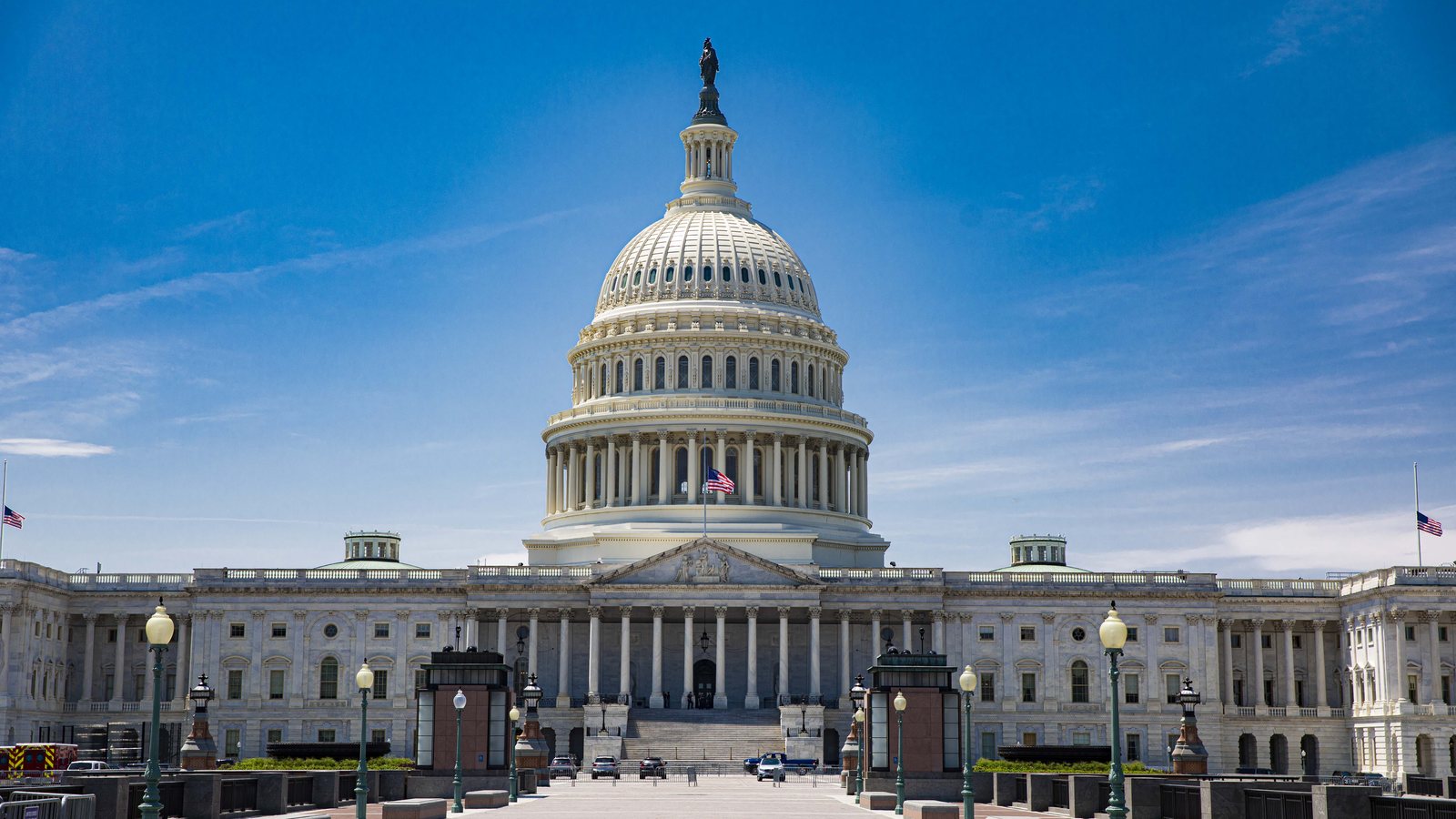

Nancy Pelosi’s San Francisco district office received a suspicious letter on Wednesday, Oct. 21, her office said. It is the latest in a wave of mailings to members of Congress and election offices that the FBI is investigating. The letter was “consistent with mailings reported by other congressional offices around the country,” spokesperson Nicholas Martin said in a statement on Pelosi’s House website. “Everyone is safe, and our office is following established security procedures.”
The office did not say what was inside the envelope or whether anyone had tested it. So far, House security officials say, tests have found nothing hazardous in any letter delivered to a congressional office. But the letters are still arriving with 12 days to go before the Nov. 3 midterms, and some lawmakers have now received a second one.
Pelosi’s office described the letter, not its contents
Martin’s statement was brief. Pelosi, the speaker emerita, “is concerned for the Members and staff whose offices have experienced similar incidents,” he said. She thanked the US Capitol Police, the San Francisco Police Department and other agencies for investigating what the statement called “this series of intimidation across America.”
The statement did not mention white powder, an evacuation or a lab result. ABC7 San Francisco also reported that the office had not revealed the letter’s contents.
Pelosi, 86, announced in November 2025 that she would not seek another term. Her seat is on the ballot next month.
What the FBI has said about the mailings
The FBI first confirmed the investigation on Oct. 15. It said it was working with the US Postal Inspection Service on “a series of suspicious mailings sent to various addresses nationwide,” including secretary of state and election offices. “Some of the letters contained an unknown substance,” the bureau said, the Associated Press reported.
“We are also working with our partners to identify the individual or individuals responsible for the letters,” the FBI said, according to ABC News. The bureau has not named a suspect or announced an arrest. It has also declined to confirm specific letters.
The FBI has pointed to features the envelopes share. The envelopes went through a mail center in North Texas and carry a postmark or stamp reading “Thinking of You,” the bureau said, ABC7 Chicago reported.
There is no official count of the letters. Law enforcement sources told ABC News that more than 100 suspected white-powder letters could be moving through the mail. Postal inspectors and screening sites have caught many of them before delivery, including letters addressed to Senate Minority Leader Chuck Schumer and Sen. Alex Padilla of California.
Tests so far have found nothing hazardous
On Oct. 19, House Sergeant at Arms William McFarland told members and staff that “none of the letters received by Congressional offices have been determined to contain hazardous substances,” according to CQ Roll Call. He also warned that more offices could receive similar letters “in the coming days.”
Local responders have reached the same finding in individual cases. In Leesburg, Virginia, hazmat crews found no hazardous material after a letter with white powder forced an evacuation of Rep. Suhas Subramanyam’s office on Oct. 19.
San Jose police said the substance sent to Rep. Zoe Lofgren’s office was “determined to be non-hazardous.” The Wisconsin Elections Commission said tests showed the powder in its letter was not hazardous, the AP reported.
Those are early results, though. Several offices are still waiting on lab work, and Rep. Jan Schakowsky of Illinois said the contents of her latest letter “are being further investigated.”
Some offices have now received a second letter
The mailings have reached members of both parties. Republican senators Mike Rounds of South Dakota and Pete Ricketts of Nebraska reported letters. So did Sen. Ted Cruz of Texas, whose Houston office received one.
Democrats affected include senators Chris Murphy, Kirsten Gillibrand and Lisa Blunt Rochester, and dozens of House members.
Three Illinois Democrats, Schakowsky, Mike Quigley and Brad Schneider, each said this week they had received a second suspicious mailing, UPI reported. FBI and hazardous materials teams responded at her Skokie office before authorities cleared it, Schakowsky said. “All staff are safe and accounted for,” she added.
Election officials have also received letters.
As of Oct. 15, election offices in at least 15 states had received suspicious mail or been its intended target, ABC News reported. In Louisiana, an employee who opened a letter at the secretary of state’s office went to an emergency room as a precaution. Law enforcement found no evidence of harmful substances, a spokesperson for the office told NPR.
“Any threat or attack on election officials is unacceptable,” Deputy Postal Inspector Brendan Donahue said.
Election offices have dealt with this before
Election officials have faced similar scares in recent years. In September 2024, election offices in at least 16 states received suspicious mail, and in one case the powder turned out to be flour. In November 2023, the FBI said letters sent to election offices in several states contained traces of fentanyl.
The Senate Sergeant at Arms has told staff to treat suspicious letters as potentially hazardous. In the House, McFarland told district offices to open mail under the safety hoods his office provides and to call local police rather than handle anything unusual.
Those precautions now run into the final stretch of the midterm campaign, when election offices are at their busiest. The FBI and Postal Inspection Service have not said when they expect lab results on the intercepted letters. They have also not said whether all the reported cases come from the same sender.