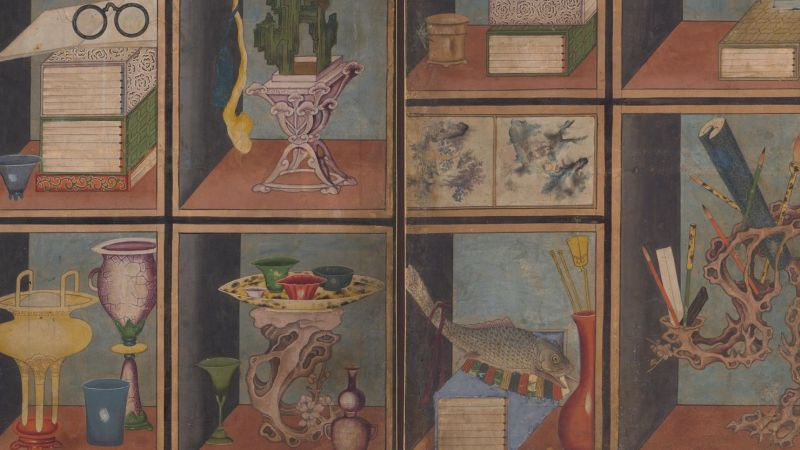
The exhibition presents part of a 23,000-piece collection
South Korea’s cultural influence continues to grow globally, and one of its most significant artistic legacies is now on display in the United States. More than 200 rare works from the late Samsung chairman Lee Kun-hee’s enormous private art collection are being exhibited at the Smithsonian’s National Museum of Asian Art in Washington, DC.
Lee, who died in 2020, left behind over 23,000 artifacts, making it one of Asia’s most important private collections. His family donated the trove to the South Korean government in 2021, partly to settle an inheritance tax bill exceeding $8 billion. The current showcase draws from this vast contribution and supports South Korea’s ongoing K-culture soft-power push.
Korean treasures exhibition highlights 1,500 years of heritage
The exhibition, titled ‘Korean Treasures: Collected, Cherished, Shared,’ offers a sweeping look at 1,500 years of Korean visual culture. Visitors can explore Buddhist sculptures, sacred manuscripts, traditional wooden furniture, and modern masterpieces by renowned artists such as Lee Ungno and Kim Whanki. Curators say the selection also hints at the motivations and tastes that shaped the Lee family’s decades-long collecting journey.
The display explores the Joseon dynasty, Buddhism, and modern identity
A major portion of the exhibition focuses on Korea’s Joseon dynasty, its last royal kingdom, through ceremonial objects and court artwork. Another section highlights the spread of Buddhism across the peninsula, featuring delicate and rare religious pieces.
The showcase also traces how modern Korean artists responded to the nation’s turbulent twentieth century, from war to rapid industrialization.
Curators aim to deepen global understanding of Korean culture
Chase F. Robinson, director of the Smithsonian’s National Museum of Asian Art, said the exhibition aims to broaden global recognition of Korea’s rich visual traditions. Carol Huh, associate curator of contemporary Asian art, noted that the collection reflects a multi-layered heritage shaped by nearly 300 modern artists navigating Korea’s cultural and political shifts.
Lee family legacy and its art world controversies
Samsung founder Lee Byung-chul began the family’s collecting mission with the intention of reclaiming and preserving Korean artifacts scattered abroad. Over the years, the Lee family’s collecting practices have occasionally raised controversy, including allegations of misused corporate funds.
Today, the family continues its legacy through Seoul’s Leeum Museum of Art, widely regarded as one of South Korea’s leading cultural institutions.
The Smithsonian exhibition will run until February 1, 2026, after which selected works will travel onward to Chicago and London, reflecting rising global interest in Korean art.