
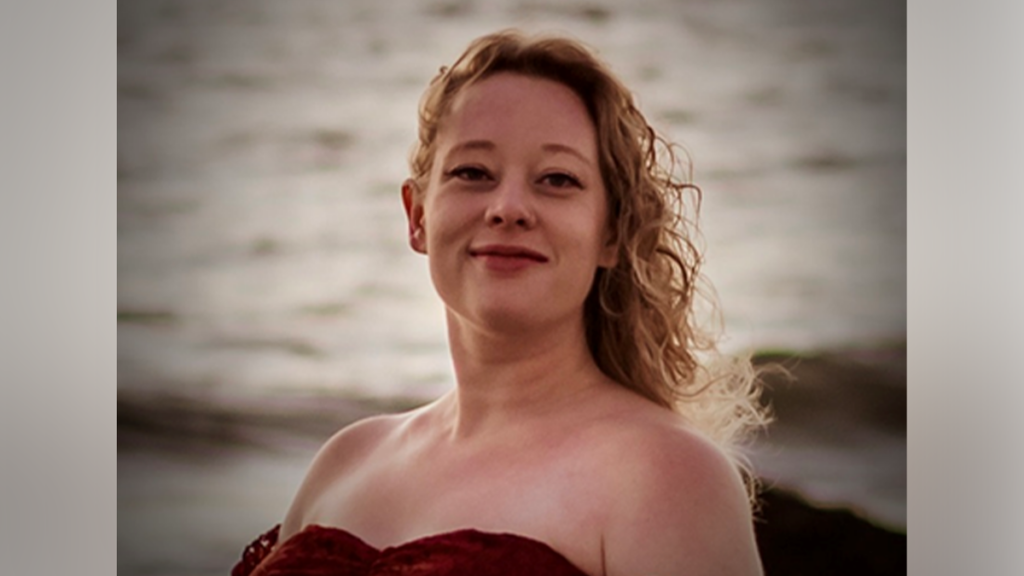
The fatal shooting of Renee Nicole Good during a federal immigration raid has ignited grief, anger, and a growing list of unanswered questions. Good, 37, was killed Wednesday after an encounter with an Immigration and Customs Enforcement (ICE) agent, an incident the Department of Homeland Security (DHS) says was self-defence, and one her family and supporters describe as a tragic, avoidable loss.
As investigations unfold, the Renee Nicole Good ICE shooting has become a flashpoint in a broader national debate over federal enforcement tactics, accountability, and the risks faced by civilians during high-intensity operations.
What happened during the ICE raid that led to Renee Nicole Good’s death?
Federal authorities say the shooting occurred amid an ICE operation in the city on Wednesday. According to DHS, an ICE agent fired three shots, striking Good in the head after she allegedly attempted to use her SUV to run over officers.
Police tape and emergency response vehicles marked the scene shortly after the shooting, images of which circulated widely on social media and news outlets. DHS officials framed the agent’s actions as a split-second decision made in self-defense during a volatile encounter.
Yet from the outset, the incident has been marked by competing narratives—one from federal officials and another from family members and witnesses who say Good was not a threat.
How does DHS justify the ICE agent’s use of lethal force?
DHS has been explicit in its defense of the agent involved in the Renee Nicole Good ICE shooting. Officials say:
- Good used her SUV “as a weapon.”
- She attempted to strike ICE agents with the vehicle.
- The agent fired in self-defense to stop what DHS describes as an imminent threat.
DHS Secretary Kristi Noem went further, claiming Good “used her training” during the encounter and characterizing her actions as “an act of domestic terrorism.” That language has drawn sharp criticism from civil liberties advocates, who argue it escalates rhetoric before independent investigations are complete.
What does Good’s family say about the ICE shooting?
Family members paint a very different picture of Renee Nicole Good.
Donna Ganger, Good’s mother, told the Minneapolis Star Tribune that her daughter had no connection to anti-ICE protests occurring in the area. She described the shooting as “stupid” and said Good was likely terrified in the moments before she was killed.
“She was one of the kindest people I’ve ever known,” Ganger said. “She’s taken care of people all her life.”
Ganger emphasized that Good was compassionate, affectionate, and deeply devoted to her family—traits, she says, incompatible with the threat DHS has described.
Why this matters: In police and federal use-of-force cases, public trust often hinges on whether official narratives align with witness accounts and a victim’s known history.
Who was Renee Nicole Good beyond the headlines?
Outside the circumstances of her death, Good’s life story adds another layer of tragedy.
- She was previously married to Timmy Ray Macklin Jr., who died at age 36.
- The couple had a son, now six years old.
- Members of the Macklin family say they are reeling from yet another loss.
Timmy Ray Macklin Sr., the boy’s grandfather, confirmed the family ties and said the child had been living with his mother. “There’s nobody else in his life,” he told the Star Tribune, adding that he would travel immediately to be with his grandchild.
The child’s future, custody, stability, and emotional support now hang in the balance.
What role did protests or legal observation play in the incident?
Confusion around the context of the shooting has fueled speculation online. The Daily Mail reported that Good and her partner were filming protests as legal observers, a role often used to document law enforcement conduct during demonstrations.
Good’s mother disputes any direct involvement in protests, insisting her daughter was not aligned with demonstrators or activist groups.
This discrepancy underscores a key question investigators must resolve: Was Good a bystander, a legal observer, or perceived by officers as an active participant in unrest?
What does the video of the aftermath reveal?
A video circulating online shows a woman identifying herself as Good’s spouse frantically calling for help after the shooting. In the footage, she repeatedly pleads for medical assistance, saying they are new to the area and have no support network nearby.
“That’s my wife, I don’t know what to do,” the woman says. “I have a six-year-old at school.”
Photos from the scene reportedly show children’s toys and a child’s drawing inside the vehicle—details that have intensified public reaction and raised questions about whether emergency care was promptly provided.
Why video evidence matters: In recent high-profile law enforcement cases, body-camera footage and bystander videos have often reshaped public understanding of events.
Why is the Renee Nicole Good ICE shooting drawing national attention?
This case resonates far beyond a single city for several reasons:
- Federal authority: ICE operates under federal jurisdiction, often limiting local oversight.
- Use of force standards: ICE agents are trained under different protocols than local police, raising questions about accountability.
- Political climate: Immigration enforcement remains one of the most polarizing issues in U.S. politics.
Civil rights groups argue that labeling civilians as threats without transparent evidence risks normalizing excessive force during enforcement operations.
What investigations or reviews are expected next?
At a minimum, several lines of inquiry are likely:
- Internal DHS review of the agent’s actions.
- Independent investigation by local or state authorities, depending on jurisdiction.
- Potential civil litigation from Good’s family.
Key questions investigators will need to answer include:
- Was the use of lethal force justified under federal guidelines?
- Were de-escalation options available?
- How quickly was medical aid rendered after the shooting?
Until those questions are answered, public scrutiny is unlikely to fade.
Why this case could shape future ICE operations
The Renee Nicole Good ICE shooting may become a reference point in debates over how federal agents conduct raids in populated areas.
Critics argue that:
- High-risk tactics increase the chance of civilian casualties.
- Ambiguous threat assessments can lead to fatal mistakes.
- Stronger oversight mechanisms are needed for federal agencies.
Supporters of ICE counter that agents face unpredictable dangers and must make rapid decisions to protect themselves and others.
TL;DR
- Renee Nicole Good, 37, was fatally shot by an ICE agent during a federal raid.
- DHS says the agent acted in self-defense after Good allegedly tried to hit officers with her SUV.
- Family members dispute that account, describing Good as nonviolent and uninvolved in protests.
- A video of her spouse pleading for medical help has intensified public concern.
- Investigations are ongoing, with potential implications for ICE accountability nationwide.