


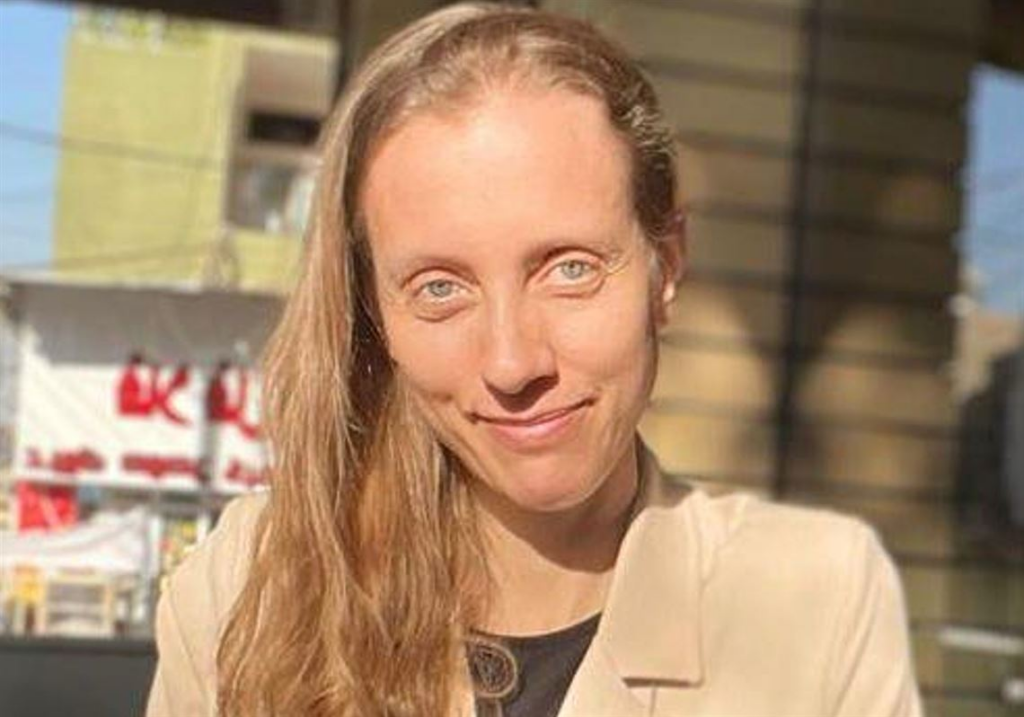
American freelance journalist Shelly Kittleson has been released nearly a week after she was abducted in central Baghdad, according to officials from both the United States and Iraq. Her release follows mounting diplomatic pressure and a public statement from an Iran-aligned militia that had claimed responsibility for her kidnapping.
The case has once again drawn attention to the risks faced by foreign journalists working in conflict-prone regions and the fragile security environment in Iraq.
What Happened to Shelly Kittleson?
Kittleson, 49, was kidnapped on March 31 from a street corner in Baghdad. According to Iraqi officials, security forces quickly launched a manhunt, which led to a vehicle pursuit and the arrest of at least one suspect connected to the abduction.
The kidnapping occurred amid heightened tensions in the region, where Iran-backed militias have increased activity targeting individuals and entities associated with the United States.
Timeline of Events
- March 31, 2026: Kittleson is abducted in central Baghdad
- Early April: Iraqi forces initiate search operations; suspects pursued
- One week later: Militia announces planned release
- Release day: Kittleson is freed and expected to leave Iraq immediately
Who Was Behind the Kidnapping?
The Iran-aligned militia Kataib Hezbollah publicly claimed responsibility for the abduction and later announced Kittleson’s release.
In its statement, the group said she would be freed on the condition that she “leave the country immediately.” It also described the move as a gesture tied to the “patriotic stances” of outgoing Iraqi Prime Minister Mohammed Shia al-Sudani, though it did not elaborate further.
The militia added that such an “initiative will not be repeated,” raising questions about whether the release was a one-off decision or part of a broader negotiation.
Was There a Prisoner Exchange?
According to reporting by The Associated Press, Kittleson’s release may have been part of an informal exchange involving detained members of Kataib Hezbollah. The report cited anonymous militia sources, and neither U.S. nor Iraqi officials have publicly confirmed such an arrangement.
Why this matters: If verified, it would signal a complex negotiation dynamic involving state and non-state actors—something that could set a precedent for future hostage situations in the region.
What Did U.S. and Iraqi Officials Say?
U.S. Secretary of State Marco Rubio confirmed Kittleson’s release in a statement, expressing relief and emphasizing ongoing efforts to ensure her safe departure from Iraq.
“We are relieved that this American is now freed and are working to support her safe departure from Iraq.”
Rubio also thanked Iraqi authorities, along with agencies including the FBI and the U.S. Department of Defense, for their role in securing her release.
An unnamed Iraqi official told the Associated Press that Kittleson had been held in Baghdad and was released in the afternoon. Details about her condition have not been publicly disclosed.
Who Is Shelly Kittleson?
Kittleson is a seasoned freelance journalist based in Rome, with years of experience reporting from conflict zones.
Career Background
- Covered wars and insurgencies in:
- Afghanistan
- Iraq
- Syria
- Worked with multiple international media organizations.
- Known for on-the-ground reporting in high-risk environments
Her work reflects a broader trend of independent journalists operating where traditional media presence has declined.
Why This Incident Raises Concern
Kittleson’s abduction underscores the risks of terrorism that persist in Iraq, particularly for foreign nationals.
Key Risk Factors
- Active presence of armed militias
- Ongoing geopolitical tensions involving Iran and the U.S.
- Weak enforcement in certain areas
- Targeting of Western individuals for leverage
The U.S. State Department currently advises American citizens against traveling to Iraq, citing threats including kidnapping, terrorism, and civil unrest.
What This Means for Journalists in Conflict Zones
The incident highlights a difficult reality: even experienced reporters with deep regional knowledge remain vulnerable.
Key Takeaways
- Pre-existing threats: According to Alex Plitsas, Kittleson’s friend and emergency contact, U.S. officials had issued warnings about credible threats before her abduction.
- Limited protection: Freelance journalists often lack institutional security support
- Rising risks: Non-state actors increasingly use kidnappings as political tools
What Happens Next?
Kittleson is expected to leave Iraq immediately, in line with the conditions set by her captors. It remains unclear whether she will speak publicly about her ordeal.
Meanwhile, questions linger:
- Was her release part of a broader deal?
- Will this incident impact future reporting in Iraq?
- How will governments respond to similar threats going forward?
For now, her safe release offers relief—but also a stark reminder of the dangers that persist for journalists covering the world’s most volatile regions.
TL;DR
- American journalist Shelly Kittleson was abducted in Baghdad on March 31, 2026
- She was released a week later by Kataib Hezbollah
- Reports suggest a possible prisoner exchange, though unconfirmed
- U.S. and Iraqi officials coordinated efforts to secure her freedom
- The case highlights ongoing risks for journalists in conflict zones