

A Father’s Harrowing Account of His Son’s Near-Fatal Hike on Mount Whitney
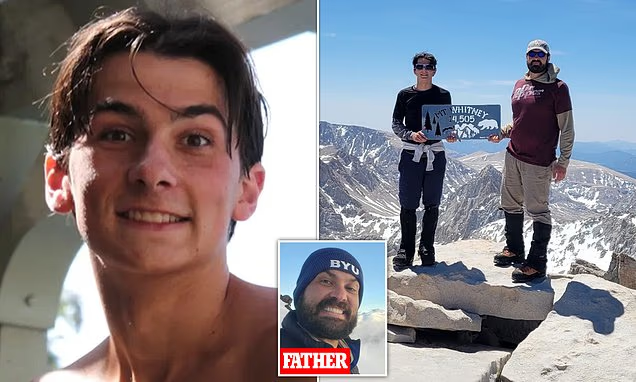
A 14-year-old boy is fighting for recovery after walking off a 120-foot cliff while hallucinating due to severe altitude sickness during a hike in California’s Sierra Nevada mountains. The teen, identified as Zane Wach, remains in a medically induced coma after suffering traumatic injuries—including a fractured pelvis, broken ankle, and severe head trauma—in a fall that his father could do nothing to prevent.
The incident, which occurred on June 10, serves as a stark warning about the dangers of altitude sickness, even for experienced hikers.
What Happened on Mount Whitney?
Zane and his father, Ryan Wach, set out to hike Mount Whitney—the tallest peak in the contiguous U.S.—as an introduction to mountaineering for the athletic teen. Zane was no stranger to endurance challenges, competing in distance running, swimming, and triathlons. His father had no reason to doubt his ability to handle the trek.
But as they ascended, Zane began showing signs of altitude sickness, a condition caused by low oxygen levels at high elevations, which can lead to confusion, nausea, and, in extreme cases, life-threatening swelling in the brain or lungs.
The Descent Turns Deadly
After reaching the summit, the pair opted for an easier trail to descend. That’s when Zane’s condition worsened.
“He knew he was hallucinating,” Ryan Wach told the New York Post. “He said he saw things like snowmen and Kermit the Frog.”
At one point, Zane insisted they had “already finished the hike multiple times over,” comparing the disorienting experience to the movie Inception. His father described him as being in a dreamlike state, unable to distinguish reality from hallucination.
Despite attempts to stabilize him, Zane’s confusion escalated. He began moving erratically toward a steep ledge. His father managed to pull him back twice—but the third time, he wasn’t fast enough.
“I didn’t hear it until he was about at the edge,” Ryan recalled. “When I went to reach for him, he was 10 feet away. I couldn’t get him, and he walked off.”
A Miraculous Survival
Zane fell approximately 120 feet down a jagged slope before landing on a rocky outcrop. It took rescue teams six hours to reach him, and he was eventually airlifted to a hospital.
Doctors called his survival “fairly miraculous,” given the severity of the fall. As of Wednesday, Zane had briefly opened his eyes—a hopeful sign—but his recovery is expected to be long and difficult.
Why Altitude Sickness Can Be Deadly
Altitude sickness (acute mountain sickness) typically occurs above 8,000 feet and can affect even healthy individuals. Symptoms include:
- Headaches
- Nausea or dizziness
- Confusion or hallucinations
- Loss of coordination
In severe cases, it can progress to high-altitude cerebral edema (HACE), a life-threatening condition where the brain swells due to lack of oxygen.
Prevention Tips for Hikers:
- Acclimate slowly—spend a day or two at moderate elevation before ascending further.
- Stay hydrated—dehydration worsens symptoms.
- Recognize early signs—descend immediately if confusion or severe headaches develop.
A Cautionary Tale for Adventurers
This incident underscores how quickly altitude sickness can turn dangerous, even for fit and experienced hikers. While Zane’s story has a hopeful twist, it serves as a critical reminder: nature’s challenges demand respect and preparation.


