
TL;DR
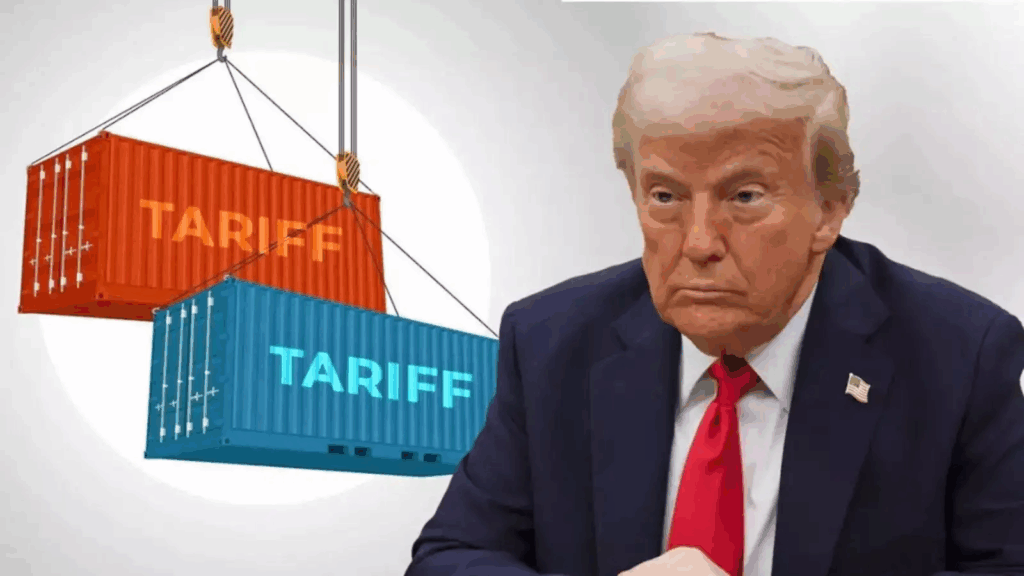
President Donald Trump says Americans are about to see a “record-setting” financial windfall from his tariff strategy, arguing that companies can no longer avoid paying duties by stockpiling goods. He predicts tariff revenues will “skyrocket,” generating unprecedented wealth for the United States. Independent estimates, however, project a far more modest fiscal impact. Here’s what Trump claims, what the numbers suggest, and how this fight could shape economic and national security policy heading into 2026.
What Trump claims about a coming tariff payoff
President Donald Trump says the United States is on the verge of collecting a “record-setting” tariff payoff, predicting an enormous revenue surge that will propel the nation onto “a new and unprecedented course.”
In a Truth Social post on Nov. 24, Trump argued that the public has not yet seen the full impact of his trade policies because many companies stockpiled goods before tariffs took effect. That early inventory, acquired at pre-tariff prices, has masked the true revenue potential, he said.
According to Trump:
- Businesses bought large quantities of imports early to dodge tariff costs.
- Those inventories are now thinning out.
- Once depleted, all new imports will incur the full tariff rate.
- Tariff payments will then “skyrocket,” surpassing what the US already calls “historic levels.”
Trump also repeated his long-standing claim that tariffs will make America the “hottest” economy in the world and secure unmatched national security benefits.
Why Trump says earlier inventory stockpiles hid the true impact of tariffs
How stockpiling works in a tariff economy
When governments announce upcoming tariffs, importers often:
- Buy goods in bulk before duties rise
- Fill warehouses with lower-cost inventory
- Delay purchases of tariffed products until needed
This delays tariff revenue because companies aren’t importing taxable goods immediately.
Trump argues that these stockpiles are finally running out, meaning imports will soon reflect:
- Higher prices
- Higher tariff payments
- Greater revenue flowing to the US Treasury
This, he says, will produce “record-setting” tariff income.
What economists say
Economists typically note that:
- Higher tariffs raise costs for US businesses and consumers
- Importers often pass tariff costs onto buyers
- Long-term revenue tends to plateau once trade volumes fall
A useful internal link would be to your article explaining how tariffs work or the economic impact of import taxes.
Trump’s reasoning: Tariffs as a tool for national security and global leverage
Trump framed tariffs not just as a revenue source, but as a strategic tool.
Economic power as foreign policy
He claims tariffs ensure America cannot be “taken advantage of” by foreign governments. In Trump’s rhetoric, tariffs represent:
- Leverage in trade negotiations
- Pressure on adversarial governments
- A path to “unmatched national security”
Critics say tariffs raise consumer prices
Economic analysts counter that tariffs work as a tax on imports, often paid indirectly by American consumers through increased retail prices.
Independent estimates: The numbers don’t match Trump’s projections
Trump says the nation has already collected “hundreds of billions of dollars.”
But the Congressional Budget Office (CBO)—the nonpartisan budget scorekeeper—projects a more restrained fiscal impact.
According to The Independent, CBO estimates:
- The federal deficit would shrink by about $3 trillion under Trump’s tariff framework
- That is $1 trillion less than the administration initially claimed
This suggests that while tariffs generate revenue, they may not meet Trump’s expectations of an unprecedented windfall.
Why the projections differ
The disparity may stem from:
- Assumptions about import levels
- Economic reactions from trading partners
- Potential retaliatory tariffs
- Reduced consumer demand
- Shifts in supply chains
In practice, tariffs tend to reduce trade volume, which also reduces tariff revenue.
Trump’s political framing and the Supreme Court angle
Trump accused critics of siding with “hostile foreign interests,” framing opposition to tariffs as unpatriotic.
He also pointed to an upcoming Supreme Court decision related to his policy, calling it “urgent and time sensitive.”
While details remain unclear in the source text, this indicates the administration expects legal challenges to play a major role in the future of tariff implementation.
What this means for American consumers and businesses
If Trump is right,
If tariff revenue “skyrockets”:
- Federal income could rise
- Deficit reduction could increase
- The US might gain leverage in trade talks
If economists are right
If the CBO’s more modest projections hold:
- Consumers may pay higher prices
- Businesses may face higher import costs
- Revenues may not match campaign promises
Either way, Americans will feel the effects directly in:
- Consumer goods prices
- Retail margins
- Supply chain operations
- Market inflation pressures
This story will continue to evolve as courts, Congress, and the global economy react.
Why this story matters heading into 2026
The debate over the Trump tariff payoff speaks to deeper questions:
- How should the US balance revenue generation with consumer affordability?
- Can tariffs genuinely produce “record-setting” revenue without harming trade?
- Will US courts uphold the administration’s tariff architecture?
- How will foreign nations respond if tariffs expand?
Tariffs affect nearly every American—directly in prices, and indirectly in economic stability.
Expect this debate to intensify as the White House advances more aggressive trade measures in early 2026.