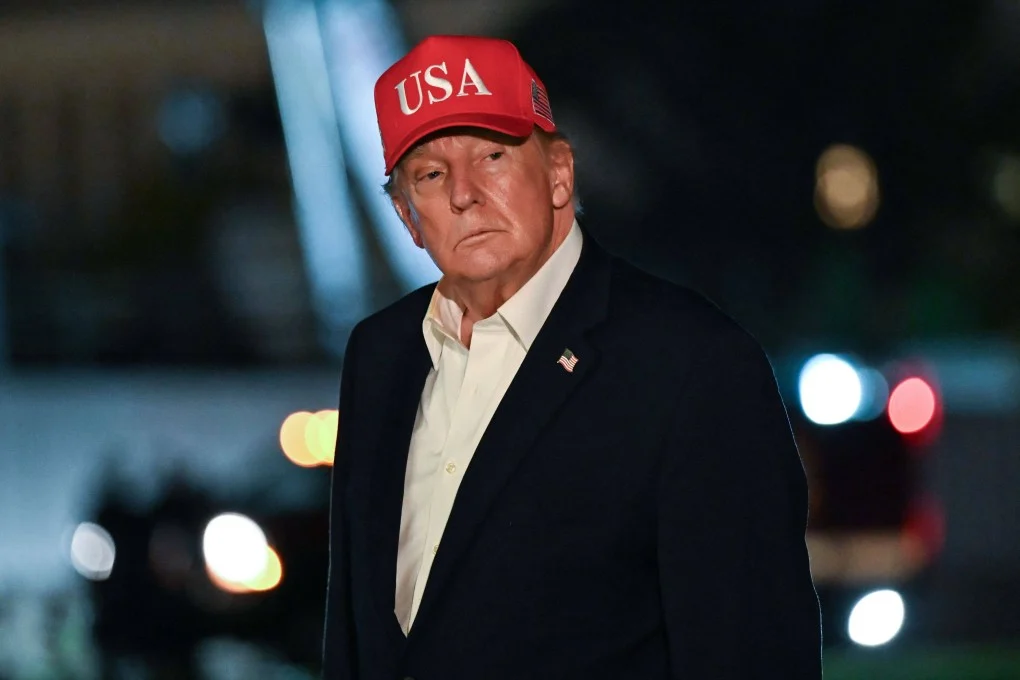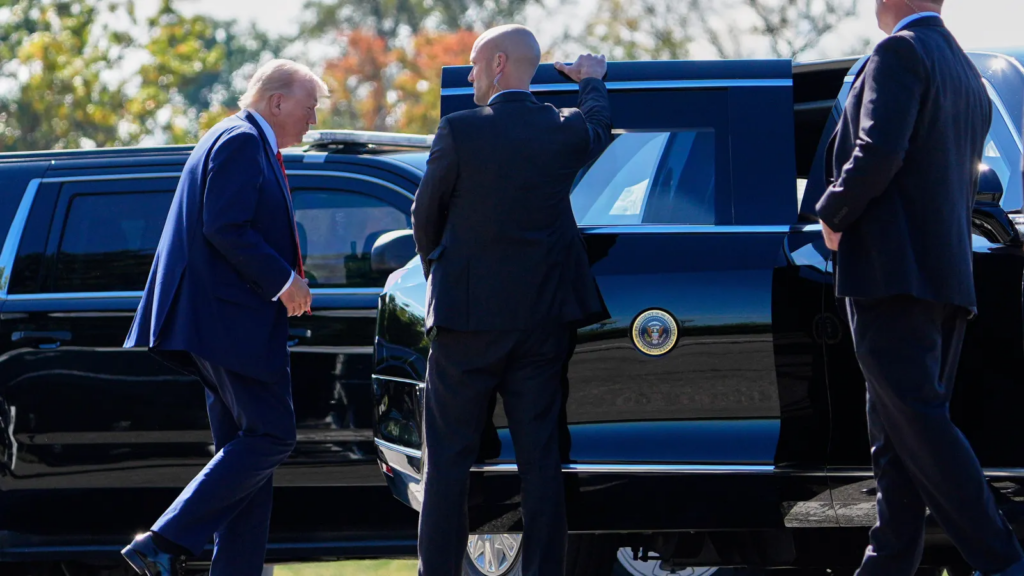
As Donald Trump prepares for another routine medical examination ahead of his 80th birthday, public attention is once again turning toward the health of America’s oldest sitting president.
The examination, scheduled at Walter Reed National Military Medical Center, comes amid ongoing debate over presidential fitness, aging leadership, and how much health information the White House should disclose to the public.
Why is Trump undergoing another medical exam?
Donald Trump medical examination at Walter Reed
The White House has described the visit as a routine annual examination.
What the examination includes
According to officials, the appointment will involve:
- General medical assessments
- Routine dental evaluations
- Standard preventive health checks
No detailed agenda or medical records have been publicly released ahead of the appointment.
Why the timing matters
The examination comes just weeks before Trump turns 80, further intensifying discussion about age and presidential capacity.
Trump already holds the distinction of being:
- The oldest person inaugurated as president in US history
That milestone has kept his health under constant public and political scrutiny.
Why are concerns about Trump’s health growing?
Questions about presidential health are not new, but recent observations have increased speculation.
Physical signs that sparked attention
Reports over the past year have pointed to:
- Swelling in Trump’s legs
- Bruising on his hands
- Discoloration around his neck
These visible signs have fueled online discussion and media coverage.
Reported medical issues
According to reports, Trump has also:
- Been diagnosed with a common vein condition
- Undergone precautionary imaging scans involving his heart and abdomen
However, the exact nature and seriousness of these findings have not been fully detailed publicly.
What has the White House said about Trump’s condition?
The administration has strongly pushed back against concerns.
Official response
White House spokesman Davis Ingle reportedly described Trump as:
- “The sharpest and most accessible President in American history”
Officials have repeatedly stated that the president remains in excellent health and capable of carrying out his duties.
Why administrations often defend presidential health aggressively
Presidential health carries enormous political consequences because it affects perceptions of:
- Leadership stability
- National security
- Electoral viability
- Public confidence
As a result, White Houses historically manage health narratives very carefully.
Why presidential health transparency is controversial
Presidential health transparency debate
The debate over how much the public deserves to know about a president’s health has existed for decades.
Critics want more disclosure
Some experts argue that:
- Voters deserve detailed information about a president’s physical and cognitive condition
- Limited disclosures create speculation and distrust
- Health transparency is especially important for older leaders
Medical ethicist Arthur Caplan noted that the public often only learns information a president chooses to reveal.
Others warn against overreach
Defenders of privacy argue that:
- Presidents are still entitled to medical confidentiality
- Routine aging signs should not automatically become political crises
- Excessive scrutiny can encourage politicized medical speculation
Why age has become a major issue in US politics
Trump’s age is part of a broader conversation about aging leadership in Washington.
The political reality
Both major US parties have increasingly been led by older figures, leading to debates about:
- Cognitive sharpness
- Physical stamina
- Succession planning
- Generational leadership change
Why it matters more now
Modern presidents face:
- Constant public visibility
- Intense international travel
- High-stress decision-making
- 24-hour media scrutiny
That makes health and endurance more politically significant than ever.
How presidents historically handled health concerns
US presidential history includes many examples of concealed or carefully managed health problems.
Past examples include:
- Franklin D. Roosevelt downplaying severe illness
- John F. Kennedy concealing chronic medical conditions
- Questions around aging and cognition involving more recent presidents
This historical context shapes today’s debates over transparency.
Could the medical exam affect politics?
Potentially—especially in an election-focused environment.
Why health narratives matter politically
Medical concerns can influence:
- Public confidence
- Media narratives
- Opponent messaging
- Voter perceptions of stability
Even routine examinations can become politically charged when involving elderly national leaders.
What people will likely watch for
Observers will focus on:
- Whether detailed medical records are released
- Any signs of new diagnoses
- Cognitive or cardiovascular assessments
- Changes in public appearances or schedule
The bigger picture: aging leadership in modern democracies
Trump’s upcoming exam reflects a broader challenge facing many democracies: balancing experience with concerns about age and long-term capacity.
Key questions being debated
- How transparent should leaders be about health?
- Should age influence voter judgment?
- How much medical information is enough?
These questions are increasingly central not only in the US, but globally.
TL;DR
- Donald Trump is scheduled for a routine medical examination at Walter Reed
- The visit comes shortly before his 80th birthday
- Recent reports about visible health issues have renewed scrutiny
- The White House insists Trump remains in excellent health
- Critics argue the administration provides limited medical transparency