
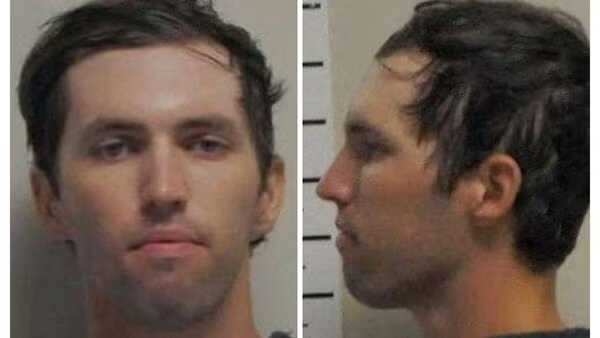
What the texts between Tyler Robinson and Lance Twiggs reveal
Newly released text messages show how 22-year-old Tyler Robinson admitted to shooting conservative activist Charlie Kirk while confiding in his transgender partner, Lance Twiggs. In the exchanges, Robinson describes the murder weapon, details how he attempted to cover his tracks, and tells Twiggs to delete the messages and avoid the media.
The texts, obtained by federal investigators and later shared publicly, offer the most direct window yet into Robinson’s mindset in the hours after Kirk was fatally shot at Utah Valley University on September 10.
How Robinson justified the shooting
Robinson, who was arrested after a 30-hour manhunt, confessed to Twiggs that he pulled the trigger because he “had enough of [Kirk’s] hatred.” According to him, Kirk’s rhetoric represented a form of hostility that “can’t be negotiated out.”
Investigators are weighing whether Robinson’s relationship with Twiggs, who is transgender, influenced his motives. Kirk was known for his vocal opposition to progressive views on LGBTQ+ issues, which had drawn both fervent support and sharp criticism.
This raises key questions: Was the shooting primarily political, deeply personal, or both?
Details about the weapon and escape plan
Robinson’s texts went beyond confession—they outlined his concern about the rifle used in the attack:
- He admitted leaving the gun wrapped in a towel in nearby bushes after changing clothes.
- He worried about fingerprints and a scope worth thousands of dollars being discovered by police.
- He mentioned engraving bullets with memes, showing a bizarre mix of dark humor and planning.
The messages also reveal a calculated attempt to evade capture. Robinson wrote about squad cars near his “drop point,” and debated whether to risk retrieving the weapon.
Twiggs’ reaction and role in the investigation
In the conversation, Twiggs repeatedly asked Robinson if he was truly responsible and why he had done it. The replies point to a mix of remorse and defiance. Robinson ended the exchange by warning Twiggs to remain silent, telling them to “ask for a lawyer” if questioned.
Federal authorities have since confirmed that Twiggs turned over these messages voluntarily, making them a critical piece of evidence in the ongoing case.
Who was Charlie Kirk, and why does it matter?
Charlie Kirk rose from leading a campus conservative movement as a teenager to becoming a nationally recognized podcaster and ally of President Donald Trump. His sharp criticism of progressivism, especially on gender and sexuality, made him a polarizing figure.
- Supporters saw him as a fearless defender of conservative values.
- Critics viewed him as spreading intolerance against marginalized groups.
Understanding his profile helps explain why Robinson may have considered him a target—and why the FBI is cautious about labeling the attack politically motivated without firm evidence.
The FBI investigation: What comes next?
The FBI is probing three main areas:
- Motive – whether Tyler Robinson acted out of political anger, personal resentment, or mental instability.
- Weapon trail – tracing the origins of the rifle, believed to have belonged to Robinson’s grandfather.
- Online footprint – combing through Robinson’s social media and digital communications for signs of radicalization.
Authorities have stressed that no definitive conclusions have been drawn. However, given the high-profile nature of Kirk’s assassination, investigators are treating this case as both a potential hate crime and a political killing.
Why these texts matter beyond the case
The release of Robinson’s texts provides a rare, unfiltered look at the immediate aftermath of a political assassination. They highlight:
- The overlap of personal and political grievances—Robinson’s anger was tied to both ideology and his personal life.
- The role of partners and confidants—Twiggs’ decision to share the texts may have been pivotal in ending the manhunt.
- The fragility of digital privacy—messages meant to stay secret became public, shaping the narrative of the case.
For the public, these revelations underscore how online conversations can become central evidence in violent crimes.
TL;DR
Texts between Tyler Robinson and his transgender partner reveal his confession to killing Charlie Kirk, citing frustration with “hatred.” The FBI is probing whether his motive was political, personal, or both. His detailed messages about the weapon and escape efforts now serve as critical evidence in the investigation.