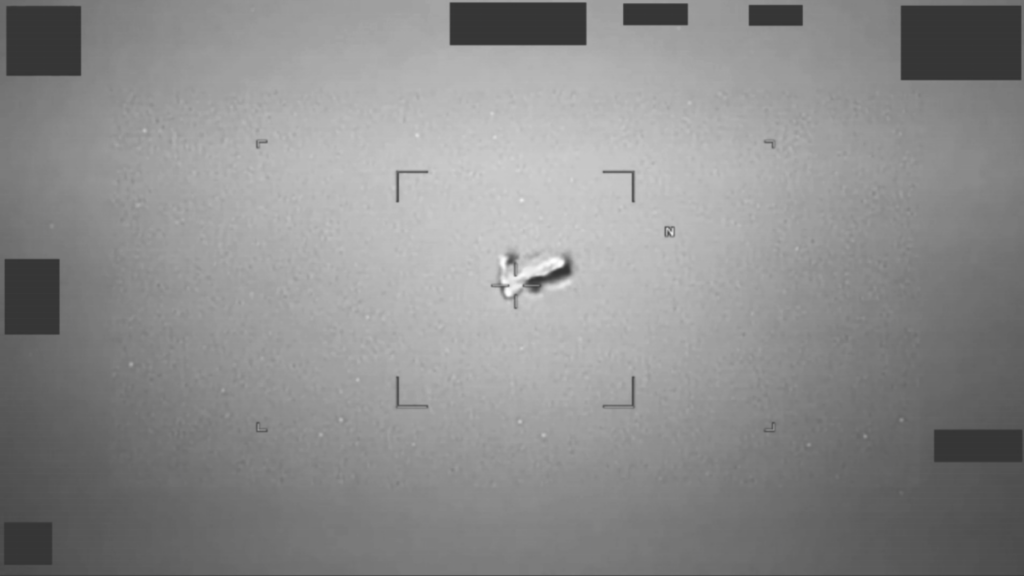
The long-running debate over UFOs—now formally called Unidentified Anomalous Phenomena (UAP)—has taken a new turn. The Pentagon has begun releasing previously classified records, offering the public a closer look at incidents that have fueled speculation for decades.
The first batch of files, published on May 8, marks the beginning of a phased disclosure effort. While the documents don’t confirm extraterrestrial activity, they do reveal how seriously the US government has been tracking unexplained aerial encounters.
What Has the Pentagon Released So Far?
The initial release focuses on unresolved UAP cases—incidents where officials have not reached a definitive conclusion.
Where are the files available?
The records are being hosted on a government platform called PURSUE, designed specifically for declassified UAP material. Officials say more documents will be uploaded over time as they clear review.
What’s inside the first batch?
So far, the files include:
- Reports of aerial objects with unusual flight patterns
- Encounters recorded by military personnel
- Cases lacking sufficient data for identification
What stands out is not what the files prove—but what they don’t explain. Many incidents remain open-ended, reflecting gaps in data rather than evidence of anything extraordinary.
Why Is the Government Releasing UFO Files Now?
The release isn’t happening in a vacuum—it’s the result of political pressure and policy shifts.
A directive from leadership
The disclosure follows an order issued earlier this year by Donald Trump, calling for increased transparency around UFO-related records.
Congressional push for transparency
Lawmakers are also pressing for more openness. A task force led by Anna Paulina Luna has requested additional materials, including dozens of UAP videos.
This signals that the current release is just the beginning—and that more compelling evidence, including visual data, may follow.
What Do These Files Actually Show?
Despite the hype, the documents remain grounded in ambiguity.
Unresolved doesn’t mean extraterrestrial
“Unresolved” cases simply indicate that investigators lack enough information to identify the object. It does not imply alien origin.
Patterns in sightings
Across multiple reports, common characteristics include:
- Sudden acceleration or direction changes
- Lack of visible propulsion systems
- Objects detected across multiple sensors
These features raise questions—but they also highlight the limitations of current detection and classification systems.
What Have Previous Investigations Found?
The current release builds on earlier findings, many of which point toward more ordinary explanations.
Findings from the Department of Defense
A 2024 report by the US Department of Defense concluded:
- No confirmed link between UAP and extraterrestrial technology
- Many sightings were misidentified drones, weather phenomena, or airborne debris
Why ambiguity persists
Even with advanced sensors, data gaps remain common:
- Limited recording duration
- Sensor inconsistencies
- Environmental interference
In short, unexplained doesn’t equal unexplainable—it often means not enough evidence yet.
What Is NASA’s Position on UFOs?
The NASA has taken a measured, science-first approach.
Focus on transparency and research
NASA Administrator Jared Isaacman has emphasized:
- Open sharing of findings
- Continued scientific investigation
- Avoiding premature conclusions
NASA’s stance reinforces a key point: UAP research is less about proving aliens and more about understanding unknown aerial data.
Why This Matters Beyond Curiosity
It’s tempting to view UFO disclosures as entertainment—but the implications are more serious.
National security concerns
Unidentified objects in restricted airspace pose real risks:
- Potential surveillance by adversaries
- Threats to military aircraft
- Gaps in detection systems
Technological blind spots
Some UAP cases may reflect:
- Advanced foreign technology
- Sensor misinterpretation
- Emerging aerospace developments
Understanding these possibilities is critical for defense planning.
What Happens Next in the UFO File Release?
The Pentagon has made it clear: this is an ongoing process.
Rolling disclosures
New documents will be added as they pass declassification review. This phased approach allows:
- Gradual transparency
- Protection of sensitive intelligence
- Continuous public engagement
What could be coming?
Future releases may include:
- Video footage of UAP encounters
- More detailed sensor data
- Internal analysis reports
The request for 46 UAP videos suggests that visual evidence could become a major focus in upcoming disclosures.
The Bigger Picture: Transparency vs Expectation
Public interest in UFOs often outpaces the evidence. That gap creates a tension between curiosity and reality.
What the release does achieve
- Greater transparency in government reporting
- Public access to previously restricted data
- A clearer understanding of investigative processes
What it doesn’t do (yet)
- Confirm extraterrestrial life
- Provide definitive explanations for all sightings
- Resolve long-standing speculation
This is less a revelation—and more a slow release of puzzle pieces.
TL;DR
- The Pentagon has begun releasing UFO (UAP) files through a new platform
- The first batch includes unresolved cases with no confirmed explanations
- No evidence of extraterrestrial activity has been found so far
- More documents, including possible videos, are expected in future releases
- The focus remains on transparency, national security, and scientific inquiry