
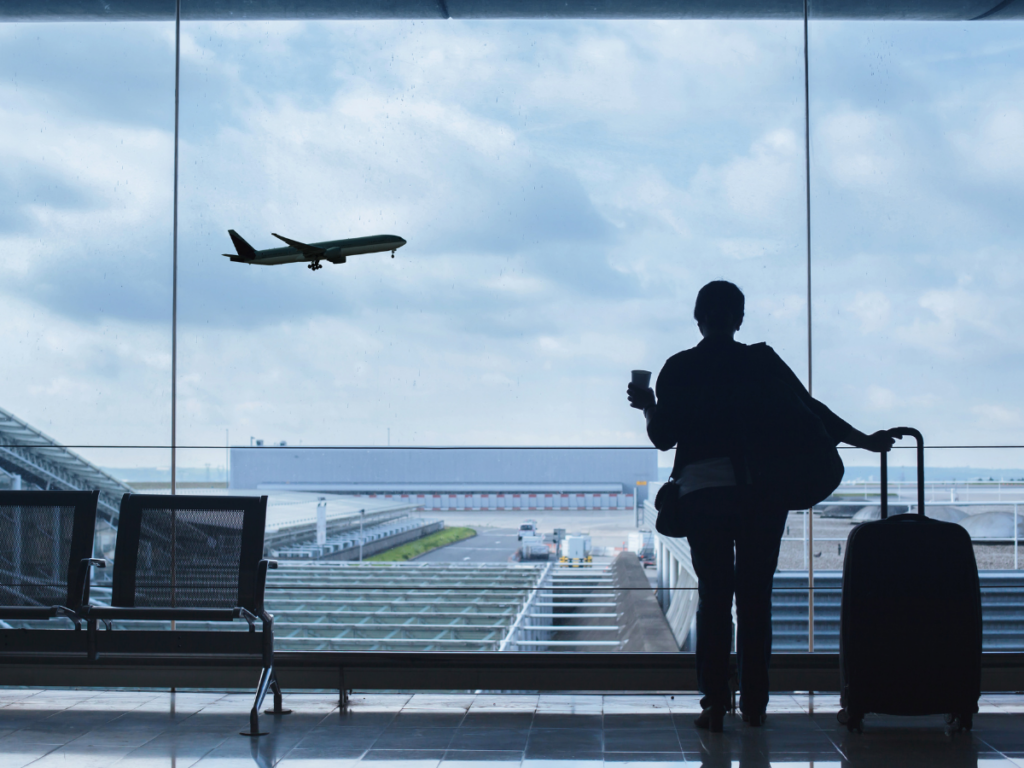
The U.S. State Department has issued a new security alert urging American citizens to exercise increased caution as tensions in the Middle East continue to escalate. The advisory warns that the regional security environment remains unpredictable and could lead to travel disruptions, airspace closures, and potential threats to U.S. citizens and interests abroad.
The notice is aimed at both Americans currently in the Middle East and those planning to travel to or through the region. Officials are advising travellers to stay informed through official government channels and prepare for rapidly changing conditions.
What does the latest U.S. travel advisory say?
In its latest alert, the State Department said the security situation in the Middle East remains “complex” because of heightened regional tensions and the possibility of unforeseen escalation.
The advisory warns that:
- Americans outside the Middle East should reconsider non-essential travel to and through the region.
- U.S. citizens currently in the Middle East should remain vigilant and monitor local developments.
- Travellers should be prepared for possible flight cancellations, temporary airspace closures, and broader transportation disruptions.
- Security conditions could change with little or no warning.
The department also cautioned that U.S. diplomatic facilities and locations associated with Americans could face an elevated security risk.
Who is affected by the advisory?
The advisory primarily applies to:
- U.S. citizens planning to visit countries in the Middle East.
- Americans currently living, working, or travelling in the region.
- Travellers with connecting flights through Middle Eastern airports.
Even travelers whose final destination is outside the region may experience delays or itinerary changes if their flights transit affected airspace.
What precautions should American travellers take?
The State Department recommends that US citizens:
- Monitor security updates from the nearest U.S. embassy or consulate.
- Follow instructions issued by local authorities.
- Stay informed about flight schedules and airline notifications.
- Enroll in the Smart Traveler Enrollment Program (STEP) to receive security alerts and help U.S. officials contact them during emergencies.
- Follow official State Department communication channels, including its WhatsApp updates where available.
Travelers are also encouraged to have contingency plans in case commercial flights are delayed, cancelled, or rerouted.
Why was the advisory issued?
The alert comes amid renewed fighting involving the United States, Iran, and regional actors.
According to the State Department, the evolving security environment raises concerns about:
- Potential military escalation.
- Risks to U.S. personnel and facilities overseas.
- Disruptions to commercial aviation.
- Broader instability across parts of the Middle East.
Officials noted that the security situation remains fluid, meaning travel conditions could change quickly depending on developments on the ground.
Which countries could experience travel disruptions?
The State Department’s alert does not single out one destination. Instead, it broadly addresses the Middle East, where regional tensions can affect multiple countries simultaneously.
During previous periods of heightened conflict, temporary airspace restrictions and flight disruptions have affected several countries in the region, particularly those located near active conflict zones.
Travellers should check the latest country-specific travel advisories before departure, as guidance may vary depending on the destination.
What is STEP, and why should travellers enrol?
The Smart Traveller Enrolment Program (STEP) is a free service operated by the U.S. State Department.
Enrollment allows American citizens travelling abroad to:
- Receive destination-specific security alerts.
- Obtain emergency updates from U.S. embassies.
- Make it easier for consular officials to contact them during natural disasters, civil unrest, or other emergencies.
- Help family members locate them during crises.
The State Department strongly recommends STEP enrollment for Americans travelling internationally, particularly to regions experiencing heightened security risks.
What should travelers do before leaving?
Before travelling, Americans should:
- Review the latest State Department travel advisory for their destination.
- Confirm airline schedules before heading to the airport.
- Purchase travel insurance that covers unexpected disruptions, if appropriate.
- Keep passports and important documents readily accessible.
- Identify the nearest U.S. embassy or consulate at their destination.
- Monitor official government announcements throughout their trip.
Because security situations can evolve rapidly, travellers should remain flexible and be prepared to adjust travel plans if necessary.
TL;DR
- The U.S. State Department has issued a security alert because of rising tensions in the Middle East.
- Americans are urged to reconsider non-essential travel to and through the region.
- Travellers currently in the Middle East should expect possible flight cancellations, airspace closures, and security disruptions.
- The advisory warns of potential threats to U.S. diplomatic facilities and locations associated with Americans.
- U.S. citizens are encouraged to enrol in the Smart Traveller Enrolment Program (STEP) and monitor official embassy updates.
- Travellers should regularly check official government advisories before and during their trip.