
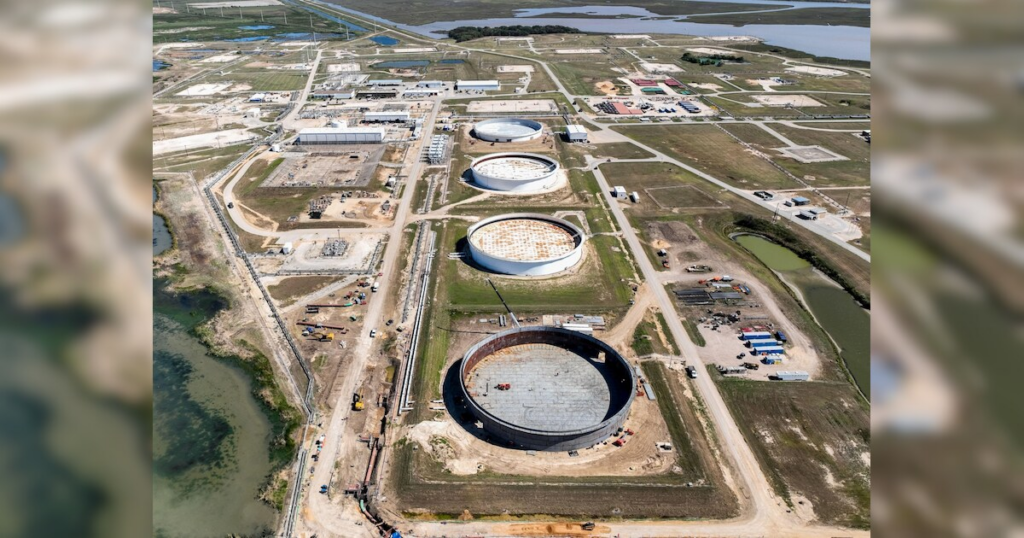
The United States Strategic Petroleum Reserve (SPR) is shrinking at one of the fastest rates in modern history as geopolitical tensions with Iran continue to disrupt global oil markets.
The emergency crude stockpile — designed to protect the US economy during severe supply shocks — has fallen to levels not seen since the early 1980s, raising concerns about energy security, export policy, and the stability of global oil flows.
The latest pressure point is the Strait of Hormuz, the narrow maritime corridor through which a major share of the world’s oil supply passes. Ongoing conflict involving Iran has disrupted shipping through the strait, intensifying fears of a prolonged global supply crunch.
What Is the Strategic Petroleum Reserve?
The Strategic Petroleum Reserve, or SPR, is the world’s largest emergency crude oil stockpile.
Created in the aftermath of the 1970s oil embargo, the reserve serves as a national emergency buffer during:
- Wars affecting oil supply
- Natural disasters
- Major refinery outages
- Severe price shocks
- Global supply disruptions
The SPR stores crude oil in underground salt caverns along the Gulf Coast.
Historically, presidents have used the reserve sparingly during major crises, including:
- The Gulf War
- Hurricane Katrina
- The Libya supply disruption
- The Russia-Ukraine energy shock
The reserve is intended as a strategic safeguard — not a permanent market-balancing tool.
How Much Has the SPR Declined?
According to the figures cited in recent reports, the SPR has dropped to roughly 365 million barrels.
That marks a steep decline from approximately 638 million barrels in January 2021.
The Scale of the Decline
The reserve has reportedly fallen:
- About 12% since the start of the latest Iran-related crisis
- More than 40% from early 2021 levels
Those numbers place US emergency oil reserves near levels last seen four decades ago.
Why the Strait of Hormuz Matters So Much
The Strait of Hormuz is one of the most strategically important waterways in the global economy.
Located between Iran and Oman, the narrow passage connects the Persian Gulf to global shipping routes.
Roughly one-fifth of the world’s oil trade typically passes through the strait.
Any disruption there can rapidly affect:
- Crude oil prices
- Shipping costs
- Energy inflation
- Fuel markets
- Refinery operations worldwide
According to the report, the closure has disrupted more than 1.2 billion barrels of crude supply globally.
Even temporary interruptions can create major ripple effects because energy markets depend heavily on predictable flows and tight shipping schedules.
Why the US Is Exporting Oil While Reserves Are Falling
One of the most politically sensitive aspects of the current situation is that the United States continues exporting crude oil even as domestic emergency reserves decline.
As supply disruptions spread across Europe and Asia, foreign buyers have increasingly turned to American crude to offset shortages.
That has created a difficult balancing act for US policymakers.
The Global Market Complication
Oil markets are deeply interconnected.
Restricting exports might:
- Lower some domestic fuel prices temporarily
- Reduce overseas supply pressure
- Increase political tensions with allies
- Hurt refinery economics
- Disrupt existing energy contracts
Energy analysts warn that abrupt export restrictions could create instability across the global energy system.
Europe Could Face Fuel Rationing
Energy strategist Helima Croft of RBC Capital Markets warned that Europe could face rationing pressures if disruptions persist.
“Even if a deal is done tomorrow, it will probably take six weeks to unbottleneck the strait,” she said, pointing to logistical backlogs and peak summer demand.
That timing matters because summer is typically one of the highest fuel consumption periods globally due to:
- Increased travel
- Higher electricity demand
- Air conditioning usage
- Industrial activity
If shipping disruptions continue into peak demand season, inventory stress could worsen quickly.
Why Cushing, Oklahoma, Is Being Closely Watched
Beyond the SPR, analysts are increasingly focused on commercial inventories in Cushing, Oklahoma.
Known as the delivery hub for West Texas Intermediate (WTI) crude futures, Cushing is one of the most important storage centers in the US oil system.
Current stockpiles there have reportedly fallen to around 24.5 million barrels.
That is approaching what analysts call “operationally low levels,” generally estimated near 20 million barrels.
What “Tank Bottoms” Means
Oil storage facilities cannot simply be emptied completely.
A minimum amount of crude must remain in tanks for:
- Pressure maintenance
- Pump functionality
- Operational safety
- Distribution logistics
When inventories approach those thresholds, the system becomes less flexible and more vulnerable to supply disruptions.
Croft warned that markets are “fast approaching tank bottoms,” though investors appear relatively calm because many still expect a diplomatic breakthrough between Washington and Tehran.
Could the US Restrict Oil Exports?
So far, the Biden-era export framework remains largely intact under President Trump, but pressure could mount if gasoline prices spike further.
Some officials may consider temporary export restrictions to:
- Preserve domestic inventories
- Reduce fuel costs
- Stabilize local supply
But economists and energy traders caution that export bans often create unintended consequences.
Potential Risks of Export Restrictions
Restricting exports could:
- Damage relationships with allies
- Reduce refinery profitability
- Distort global energy pricing
- Trigger retaliatory trade measures
- Increase long-term volatility
Analysts say market forces may ultimately reduce exports naturally if US crude becomes less competitive due to shrinking inventories and rising domestic prices.
Why This Crisis Matters Beyond Oil Prices
The SPR debate is about more than gasoline costs.
It reflects broader questions about:
- US energy independence
- Strategic preparedness
- Global supply chain resilience
- Geopolitical leverage
- The role of America in stabilizing world energy markets
The current situation also highlights how quickly regional conflicts can reshape the global economy.
Even localized disruptions in critical shipping lanes can affect:
- Consumer prices
- Inflation
- Manufacturing costs
- Airline industries
- Financial markets
Could the SPR Become a Political Flashpoint?
Very likely.
The reserve has historically been a politically charged issue because it sits at the intersection of:
- National security
- Energy policy
- Inflation management
- Foreign affairs
Critics argue that excessive releases weaken America’s emergency preparedness.
Supporters say using the reserve during crises is exactly what it was designed for.
As tensions in the Middle East continue, debate over how much oil should remain in the SPR is likely to intensify heading into future election cycles.
TL;DR
The US Strategic Petroleum Reserve has fallen to near-1980s levels amid escalating tensions with Iran and disruptions in the Strait of Hormuz.
The reserve now holds roughly 365 million barrels, down sharply from 638 million barrels in early 2021.
At the same time:
- Global oil supplies are tightening
- US exports remain elevated
- European fuel shortages are becoming a concern
- Commercial inventories are nearing operational lows
Analysts warn that prolonged disruption could strain global energy markets and increase political pressure on Washington to rethink oil export policy.