Images of sparse meals aboard US Navy ships have triggered concern among military families and raised broader questions about logistics during wartime deployments. Reports circulating this week suggest that service members aboard the USS Abraham Lincoln and USS Tripoli may be facing food shortages while deployed to the Middle East.
But the Pentagon is pushing back hard, calling those claims inaccurate.
So what’s actually going on?
What Sparked the USS Abraham Lincoln Food Shortage Concerns?
The controversy began with photos shared by family members of deployed personnel.
One widely circulated image reportedly showed a lunch tray from the USS Tripoli:
- A small scoop of shredded meat
- A single folded tortilla
- Large portions of the tray left empty
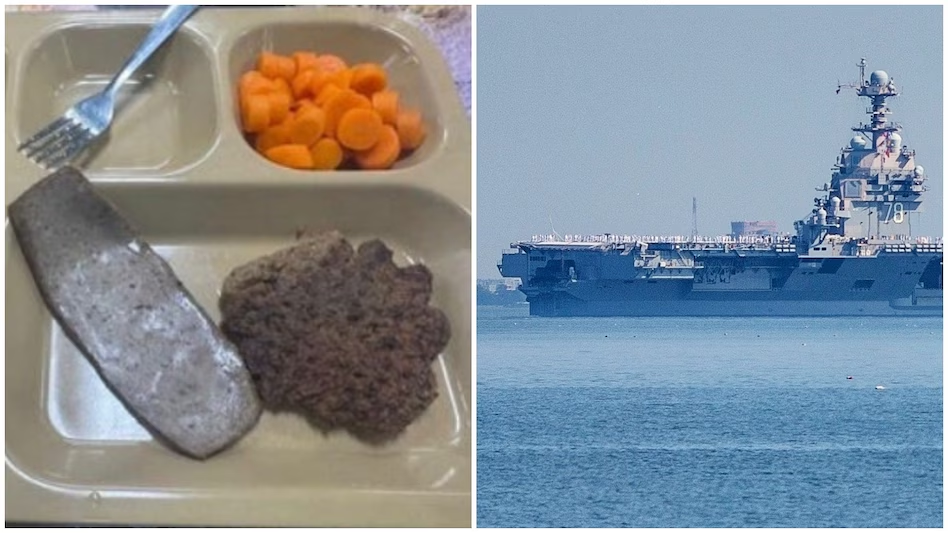
Another image, said to be from the USS Abraham Lincoln, depicted:
- A small serving of boiled carrots
- A dry meat patty
- A slab of processed meat
These images quickly spread online and through media reports, raising alarms among families who feared their loved ones weren’t getting enough to eat.
How Did Families React to the Reports?
For many families, the images were more than just unappetizing—they were worrying.
Some responded by:
- Preparing care packages with snacks and supplements
- Coordinating with other families for bulk shipments
- Raising concerns through media outlets
One parent, identified in reports as Dan F., said he was alarmed after receiving the photo from his daughter, a Marine aboard the USS Tripoli.
However, their efforts to send supplies have hit a major obstacle.
Why Mail Delivery to Deployed Troops Has Been Suspended
At the same time these concerns surfaced, the US Postal Service temporarily halted mail delivery to 27 military ZIP codes across the Middle East.
What we know:
- The suspension followed US and Israeli military operations targeting Iran
- Packages already in transit are currently delayed
- No clear timeline has been provided for full restoration
This has left families in limbo, unable to send additional food or essentials—even as concerns about onboard conditions circulate.
What the Pentagon Says About Food Shortages
The Office of the Chief of Naval Operations has firmly denied that there is any food shortage aboard the USS Abraham Lincoln or USS Tripoli.
Key points from the official statement:
- No shortages: Ships have sufficient food supplies onboard
- Nutritional standards maintained: Meals are “fully portioned” and balanced
- Crew welfare prioritised: Health and well-being remain a top priority
The Navy also addressed the viral images directly, suggesting they may not represent standard meal conditions.
Their explanation:
- Menu adjustments are routine during long deployments
- Portion sizes and meal composition may vary
- Logistics are optimised to sustain extended operations at sea
In short, the Pentagon says what’s being seen online doesn’t reflect the full picture.
Are These Images Misleading—or a Sign of a Bigger Issue?
This is where the story becomes less clear-cut.
Possible explanations for the discrepancy:
- Isolated meals: The photos may show limited or atypical servings, not daily rations
- Operational constraints: Certain conditions (combat readiness, supply timing) can affect meal service temporarily
- Perception vs. reality: A single image may not capture portion size, refills, or additional servings available
At the same time, such images often resonate because they tap into longstanding concerns about:
- Quality of life during deployment
- Transparency in military operations
- The gap between official statements and lived experiences
How Does Military Food Logistics Work During War?
Feeding thousands of personnel aboard warships is a complex logistical operation—especially in active conflict zones.
Key challenges:
- Supply chain disruptions: Conflict can impact delivery routes
- Storage limitations: Ships must carefully manage perishable and non-perishable items
- Operational priorities: Combat readiness can temporarily shift focus away from routine services
Despite this, the US Navy is widely regarded as having one of the most advanced logistics systems in the world.
What typically ensures continuity:
- Pre-loaded supplies before deployment
- Replenishment at sea via supply vessels
- Menu planning designed for long-duration missions
How Could Food Concerns Affect Morale?
Even if food shortages aren’t widespread, perception matters.
Why food quality is critical:
- It directly impacts morale and mental health
- It affects physical performance and readiness
- It serves as a daily touchpoint of normalcy in high-stress environments
Poor food—real or perceived—can quickly become a symbol of broader dissatisfaction.
Historical context:
Military analysts often note that food quality has long been a key factor in troop morale, from World War II to modern deployments.
The Bigger Context: War Spending vs. On-the-Ground Reality
The reports come at a time of intense debate over US defense spending.
Current figures in discussion:
- Proposed $1.5 trillion annual defense budget
- Estimated $1 trillion cost tied to the Iran conflict
- Political resistance to additional war funding proposals
This contrast—between massive defense spending and reports of modest meals—has amplified public scrutiny.
What About the USS Abraham Lincoln and USS Tripoli?
Both ships play critical roles in US naval operations:
- USS Abraham Lincoln: A nuclear-powered aircraft carrier, central to air operations
- USS Tripoli: An amphibious assault ship supporting Marine deployments
These are not lightly equipped vessels—they are designed for sustained, high-intensity missions.
Which makes the idea of prolonged food shortages unlikely—but not impossible under extreme conditions.
What Happens Next?
For now, the situation remains a mix of:
- Conflicting narratives (families vs. official statements)
- Operational opacity (limited independent verification)
- Heightened geopolitical tension
What to watch:
- Whether more service members share similar images
- Updates on mail delivery restoration
- Any independent reporting or congressional inquiry
TL;DR
- Photos of small meals aboard USS Abraham Lincoln and USS Tripoli sparked food shortage concerns.
- Families are worried but unable to send supplies due to suspended military mail services.
- The Pentagon denies any shortages, calling meals sufficient and balanced.
- The issue highlights tensions between perception and official narratives during wartime.
- Food quality, even when adequate, plays a major role in troop morale and public trust.