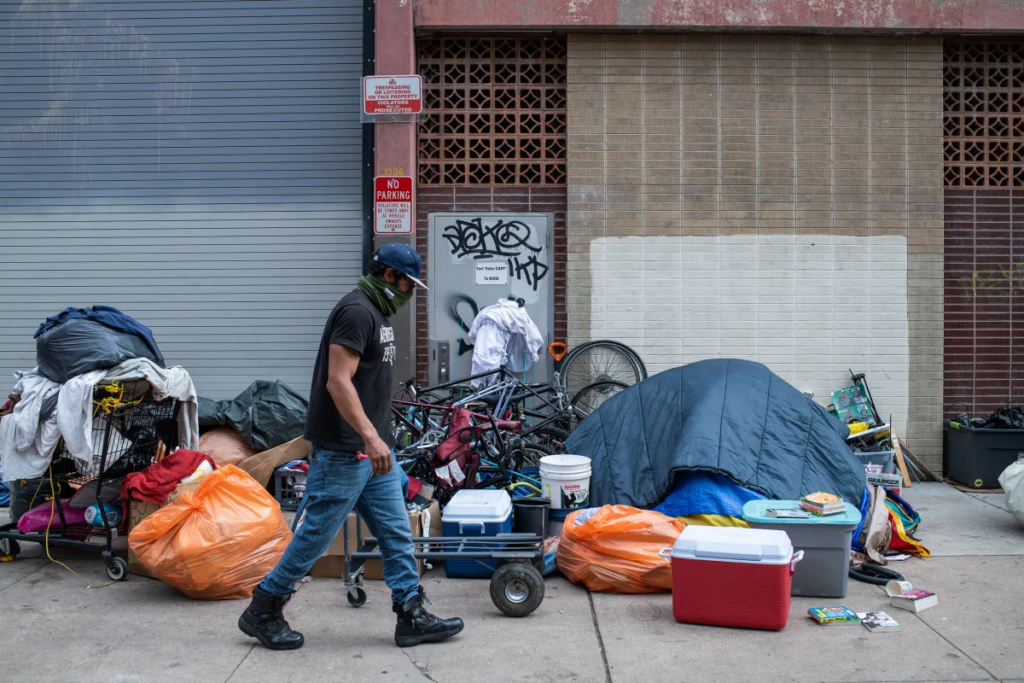
Homelessness remains one of the most persistent challenges facing American cities. Although the number of people experiencing homelessness in the United States declined slightly between 2024 and 2025, it remains significantly higher than before the COVID-19 pandemic.
Against that backdrop, Denver has emerged as a city many policymakers are watching. Under Mayor Mike Johnston, the Colorado capital has dramatically reduced visible homeless encampments while expanding access to shelters, housing, and support services. Supporters say the city’s strategy offers lessons for other communities grappling with the crisis, though questions remain about its long-term sustainability.
Why is homelessness still a major issue in the US?
Despite a modest national decline, homelessness remains well above levels seen before the pandemic.
Rising housing costs, inflation, shortages of affordable housing, mental health challenges, substance use disorders, and economic instability have all contributed to the increase.
Tent encampments have become especially common in western and southern cities, where milder climates allow people to live outdoors year-round.
The issue has become both a humanitarian concern and a major political debate, particularly in large cities governed by Democratic leaders.
How has Denver responded?
Since taking office, Mayor Mike Johnston has made reducing street homelessness one of his administration’s top priorities.
Rather than relying solely on enforcement, the city has expanded emergency shelters, temporary housing, outreach programs, and access to addiction treatment and supportive services.
As a result, many of Denver’s large homeless encampments have disappeared, with outreach teams working to connect people directly to available shelter and housing options.
The approach aims to move people indoors while providing pathways to more permanent solutions.
Formerly homeless residents are helping others
One notable aspect of Denver’s strategy is the involvement of people with lived experience.
Mike Johnson, who once struggled with addiction and homelessness, now works with outreach teams helping others find shelter, detox programs, and social services.
Supporters say peer outreach can build trust more effectively than traditional approaches because individuals are often more willing to accept help from someone who understands their experiences firsthand.
Why are experts watching Denver?
Denver’s approach has attracted national attention because it attempts to balance compassion with visible improvements in public spaces.
Supporters argue that reducing encampments while expanding housing and treatment services benefits both unhoused residents and the broader community.
However, homelessness experts caution that visible reductions in street camping do not necessarily mean homelessness has been solved. Long-term success depends on whether people remain housed and continue receiving support after leaving shelters.
Can Denver’s model work elsewhere?
There is no single solution to homelessness, and every city faces different economic and housing challenges.
Still, Denver’s experience highlights several strategies that many experts consider effective:
- Expanding emergency shelter capacity.
- Increasing affordable and supportive housing.
- Providing addiction treatment and mental health services.
- Investing in outreach teams.
- Partnering with people who have experienced homelessness.
Whether other cities can replicate Denver’s results will largely depend on funding, housing availability, local policies, and sustained political commitment.
Why does it matter?
Homelessness affects public health, public safety, housing affordability, and local economies.
Cities across the United States continue searching for approaches that reduce homelessness while respecting the dignity of those experiencing it.
Denver’s early results suggest that combining housing, outreach, and support services may offer a more comprehensive alternative to relying solely on law enforcement or temporary encampment removals.
Researchers and policymakers will likely continue monitoring the city’s progress over the coming years.
The bottom line
Denver’s homelessness strategy is increasingly being viewed as a potential model for other American cities. By combining expanded shelter access, supportive housing, outreach, and treatment services, the city has significantly reduced visible encampments while helping more people move indoors.
Whether these gains prove durable will depend on continued investment, affordable housing availability, and long-term support for people transitioning out of homelessness.
TL;DR
- Homelessness in the US fell by 3% between 2024 and 2025 but remains 31% above pre-pandemic levels.
- Denver has significantly reduced street encampments through expanded shelters and housing programs.
- Mayor Mike Johnston’s administration combines emergency shelter, outreach, and long-term housing initiatives.
- Formerly homeless residents are now helping others access services and treatment.
- Experts say Denver’s model could influence how other cities address homelessness, though results will require long-term evaluation.