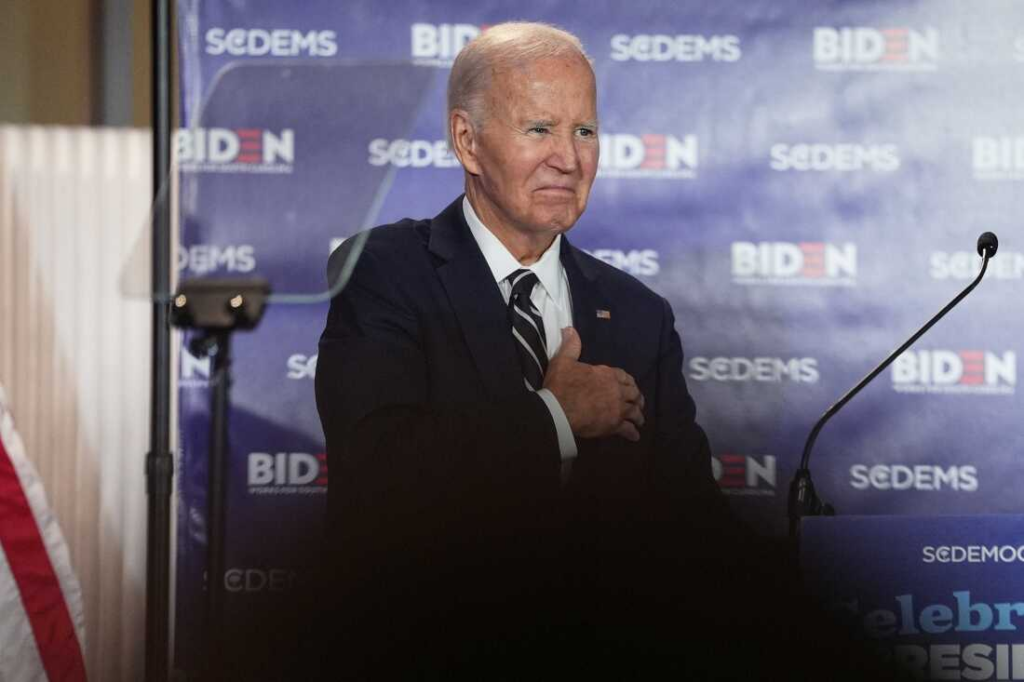
Former US President Joe Biden has launched a legal battle against the United States Department of Justice in an attempt to block the release of sensitive audio recordings and transcripts connected to Special Counsel Robert Hur’s classified documents investigation.
At the center of the dispute are deeply personal conversations Joe Biden recorded with his biographer years before the investigation began, conversations that later became evidence in Hur’s inquiry into Biden’s handling of classified documents.
Now, with the DOJ preparing to release those materials to Congress and the conservative Heritage Foundation, Biden’s lawyers argue the government is crossing a dangerous legal line.
The case could shape future battles over the following:
- presidential privacy
- executive records
- congressional oversight
- public access to investigative materials
And beneath the legal jargon sits a larger question:
When does transparency become political exposure?
What recordings are the lawsuit about?
The dispute centers on recordings made in 2016 and 2017 while Biden was working with a biographer on his memoir:
Promise Me, Dad: A Year of Hope, Hardship, and Purpose.
The book focused heavily on:
- The illness and death of Biden’s son, Beau Biden
- Family struggles
- Biden’s political future
- His internal debate about running for president
According to court filings, the recordings were made at Biden’s Delaware home during private conversations intended to help shape the memoir.
Years later, those materials became relevant to Robert Hur’s classified documents investigation after investigators discovered records connected to Biden’s post-vice presidency period.
Hur ultimately declined to recommend criminal charges against Biden, though his report generated intense political controversy.
Why does Joe Biden want to block the release?
Biden’s legal team argues the planned disclosure violates longstanding protections surrounding:
- executive communications
- private records
- presidential materials
- confidential personal discussions
The lawsuit claims the DOJ previously resisted efforts to release the recordings under the Freedom of Information Act but later shifted its position after the change in presidential administration.
According to the filing, Joe Biden believes the release effort represents an improper attempt to sidestep legal disclosure restrictions.
His lawyers argue:
- Congress lacks a legitimate legislative purpose
- The request is politically motivated
- The disclosure could damage executive confidentiality protections
- Releasing private memoir conversations sets a dangerous precedent
In simple terms, Biden’s argument is not just:
“These recordings are embarrassing.”
It is:
“If these kinds of personal presidential records become easy political targets, future presidents may stop speaking candidly altogether.”
Why Congress and the Heritage Foundation want the recordings
Republicans and conservative groups have continued scrutinizing Hur’s investigation despite the absence of criminal charges.
Critics argue the recordings may:
- Reveal inconsistencies
- Provide insight into Biden’s memory and handling of documents
- Clarify investigative decisions
- Shed light on Hur’s conclusions
The House Judiciary Committee reportedly requested the materials as part of its oversight efforts.
Meanwhile, the Heritage Foundation has pursued access through litigation tied to public records disclosure.
The legal conflict therefore sits at the intersection of:
- Congressional oversight powers
- Presidential privacy protections
- Public transparency debates
- Election-year politics
How Robert Hur’s investigation triggered the controversy
Hur’s investigation examined Biden’s retention of classified documents after serving as vice president.
The probe became politically explosive because it unfolded alongside separate classified documents cases involving Donald Trump.
In his final report, Hur declined to pursue charges against Joe Biden but described him in ways that fueled political debate, particularly comments referencing Biden as:
“a sympathetic, well-meaning, elderly man with a poor memory.”
That language triggered outrage among Democrats and quickly became a political flashpoint.
The recordings are considered especially sensitive because they may capture:
- Biden’s conversational memory patterns
- Emotional moments involving Beau Biden
- Informal private discussions
- Context surrounding retained materials
What is the Presidential Records Act and why does it matter?
The dispute touches heavily on the Presidential Records Act.
The law establishes that presidential records generally belong to the government rather than the individual president.
However, the boundaries become murkier when materials involve:
- Personal memoir preparation
- Private conversations
- Hybrid personal-government contexts
- Investigative evidence
Biden’s lawsuit appears aimed at arguing that these recordings deserve stronger privacy and confidentiality protections despite later becoming part of a federal investigation.
This case could therefore influence how future administrations treat:
- Personal notes
- Memoir interviews
- Recorded conversations
- Informal presidential communications
Why this case matters beyond Biden
The legal implications extend far beyond one former president.
If courts allow broad disclosure of private presidential materials connected to investigations, future leaders may:
- Limit recorded conversations
- Avoid candid discussions
- Restrict memoir collaborations
- Increase secrecy around personal records
Transparency advocates, however, argue the opposite risk exists:
without disclosure mechanisms, politically sensitive investigations could remain hidden from public scrutiny.
That tension sits at the heart of modern democratic governance:
How much privacy should powerful public officials retain once their records intersect with official investigations?
There is no clean answer.
And American courts increasingly find themselves refereeing disputes that blend constitutional law, political warfare, and media spectacle into one sprawling legal knot.
Why the timing matters politically
The timing of the lawsuit is also significant.
The DOJ is reportedly expected to release the materials by June 15 unless courts intervene.
That creates immediate political pressure because the recordings could potentially emerge during a highly charged election cycle where:
- Biden’s age remains a central political issue
- Republican lawmakers continue attacking the classified documents investigation
- Public trust in institutions remains fragile
Even if the recordings contain nothing legally damaging, the optics alone could dominate headlines.
Modern political media rarely waits for nuance before turning leaked material into narrative ammunition.
What happens next?
The case is likely to move quickly through federal court due to the approaching disclosure deadline.
Possible outcomes include the following:
- Courts are temporarily blocking the release
- Partial disclosure with redactions
- Full release of recordings and transcripts
- Negotiated access limits
- Appeals from either side
The DOJ is expected to respond formally in upcoming court filings.
Meanwhile, the broader constitutional questions around executive confidentiality and congressional access could eventually carry implications far beyond this single case.
The bigger picture: America’s document wars keep expanding
The lawsuit reflects a broader trend in modern American politics:
Records themselves have become political battlegrounds.
Emails, classified files, text messages, recordings, private memos, and nearly every form of documentation now carry the following:
- legal risk
- political value
- media leverage
In earlier eras, memoir interviews might have remained obscure archival material. Today, they can become federal court disputes with national political consequences.
And increasingly, the struggle is not only about what happened. It is about who controls the narrative surrounding what happened.