
TL;DR
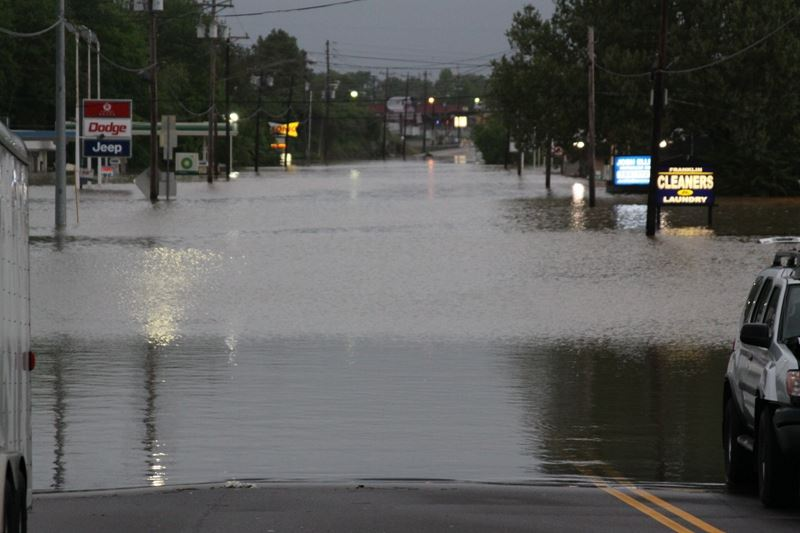
- At least 3 people died and 2 remain missing following catastrophic flash floods in Williamson County.
- Hundreds were evacuated from mobile homes and apartments; shelters remain active.
- While media focus is on Travis County, Williamson is facing unique challenges, including inadequate flood mapping and support gaps for uninsured renters.
What Happened in Williamson County?
Over the July 4 weekend, torrential rains turned the normally quiet San Gabriel River into a deadly torrent. In Williamson County alone:
- Three fatalities have been confirmed so far.
- Two individuals are still missing.
- Nearly 200 water rescues were conducted, many near Georgetown and Liberty Hill.
Residents report receiving only minutes of warning before waters surged.
“There was no time to grab anything. We just ran,” said Robin Bates, a flood survivor rescued from her RV in Leander.
The Human Toll: Stories from the Ground
Displacement Hits Renters the Hardest
Most evacuees were low-income renters in mobile homes or apartment complexes. Many lacked renters’ insurance and are now homeless without clear recourse.
- Mobile home parks along Brushy Creek were among the worst hit.
- Dozens are living in temporary shelters in Georgetown.
Consider a photo gallery or embed of shelter conditions or volunteer efforts.
Missing Voices in the Coverage
Unlike wealthier neighborhoods in Austin that have dominated news coverage, Williamson’s rural and lower-income areas have had minimal national media presence.
- Families from Jarrell and Florence say they’ve received less FEMA attention.
- Emergency texts were reportedly delayed or never arrived for some users on regional carriers.
How Local Authorities Are Responding
Declarations and Evacuations
- Williamson County issued a disaster declaration within hours.
- Emergency services set up shelters in local high schools and community centers.
- Texas DPS has joined search-and-rescue missions in the area.
Swift Action—but Was It Enough?
While first responders acted quickly, critics say more could’ve been done in advance:
- Many flooded areas were not in FEMA’s official floodplain.
- No pre-installed sirens or flash-flood alert systems exist in some mobile park zones.
Underserved Angles the Media Is Missing
1. Unmapped Risk Zones
- A surprising number of flooded areas were technically outside the FEMA floodplain.
- Experts warn that flood mapping in Williamson hasn’t kept up with rapid development.
“We’re building faster than we’re planning,” said a local engineer interviewed anonymously.
2. Mental Health Fallout
- With shelters crowded and uncertain futures, many flood victims face severe trauma.
- Few mental health counselors are available in rural areas like Florence and Granger.
3. Insurance Gaps and Financial Insecurity
- Only ~25% of affected residents had any flood insurance, per early reports.
- Landlords may receive FEMA support before tenants, delaying aid.
4. Environmental Consequences
- Spillover from damaged septic tanks and chemical runoff may contaminate water supplies.
- Livestock loss and crop damage threaten the county’s small but vital agri-economy.
What Happens Next?
Rebuilding with Resilience
- FEMA teams are on the ground, but long-term support remains uncertain.
- A bipartisan group of local officials is calling for revised floodplain legislation.
Community Steps In
- Local churches and NGOs like WilCo Cares have launched relief funds.
- Volunteers are cleaning out flooded homes daily; supplies remain scarce.
Consider a donation box or link-out to verified relief funds.
Real Talk: Could This Have Been Prevented?
- With more proactive mapping and early warning infrastructure, many say yes.
- The event is pushing local leaders to rethink urban planning in flood-prone zones.
Final Thoughts
The Williamson County floods aren’t just another chapter in Texas’s long battle with water—they’re a wake-up call. Behind the headlines lie deeper issues of equity, infrastructure, and who gets left behind when disaster strikes.
The rain has stopped, but the reckoning is just beginning.