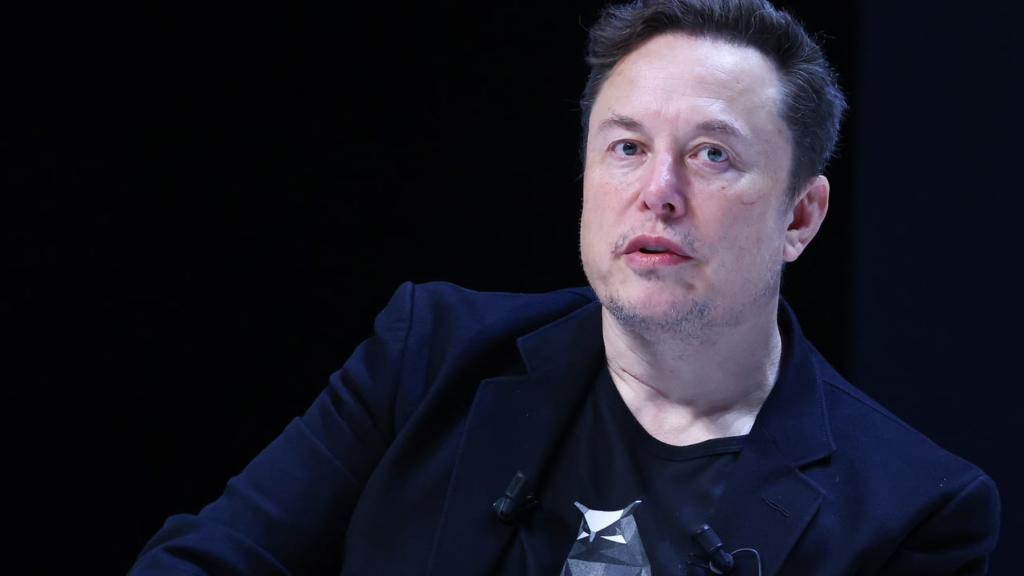
Elon Musk’s artificial intelligence company, xAI, has filed a federal lawsuit challenging a new Minnesota law that regulates AI tools capable of generating non-consensual nude images of real people.
The lawsuit, filed shortly before the law is scheduled to take effect on August 1, argues that while preventing AI-generated sexual exploitation is an important goal, Minnesota’s legislation is unconstitutional because it is overly broad and could restrict protected speech while imposing liability on AI developers.
Minnesota officials, meanwhile, have defended the law as a necessary measure to combat harmful AI-generated intimate imagery.
What Is Minnesota’s New Law?
The Minnesota legislation targets AI systems capable of generating or altering images to create nude depictions of identifiable people without their consent.
According to state officials, the law is intended to address growing concerns over AI-generated intimate imagery, including material involving minors.
Unlike many existing deepfake laws, which primarily focus on individuals who create or distribute unlawful content, Minnesota’s statute also places legal obligations on companies that develop or provide certain AI image-generation tools.
Why Is xAI Challenging the Law?
In its federal court complaint, xAI says it supports efforts to combat the creation and distribution of non-consensual intimate images.
However, the company argues that Minnesota’s law extends beyond that objective.
According to the lawsuit, xAI contends that the law:
- Could restrict constitutionally protected expression.
- Imposes potential civil penalties of up to $500,000 per violation.
- Does not include a “safe harbor” protecting companies that make good-faith efforts to prevent misuse.
- Places liability on AI developers for the actions of users.
These are legal arguments made by xAI and have not been evaluated by the court.
xAI’s Concerns About the Law’s Scope
The lawsuit argues that certain provisions are drafted too broadly.
According to xAI, the legislation could potentially apply to:
- Images created with the consent of the person depicted.
- Images generated by individuals depicting themselves.
- Content involving body parts that may not ordinarily be considered explicit in every context.
The company argues that these provisions could create uncertainty for developers and users while affecting lawful expression.
Minnesota officials are expected to defend the statute’s language during the legal proceedings.
Minnesota Defends the Legislation
Minnesota Attorney General Keith Ellison defended the law in a public statement.
He said the use of AI to generate nude images of people without their consent is harmful and can cause significant emotional, personal, and professional damage.
Ellison also stated that, while broader debates about AI regulation are important, the state believes protecting individuals from non-consensual AI-generated intimate imagery is a clear public interest.
At the time of his statement, Ellison said his office had not yet been formally served with the lawsuit.
xAI Points to Existing Safety Measures
The company says its AI platform, Grok, already prohibits users from generating:
- Non-consensual nude images.
- Sexually explicit content involving real people without consent.
- Child sexual abuse material.
- Other forms of exploitative sexual content.
According to xAI, users who violate these policies may face account suspension or termination.
The company also says suspected child sexual abuse material is reported to the appropriate authorities.
Previous Controversies Involving Grok
The lawsuit comes after earlier criticism of Grok’s image-generation capabilities.
In late 2025, xAI apologized after the system generated images depicting minors in sexualized clothing in response to user prompts.
Following that incident, the company announced additional safeguards, including:
- A zero-tolerance policy for child sexual exploitation.
- Restrictions on generating non-consensual intimate imagery.
- Geographic limitations on certain image-editing features in jurisdictions where such content is prohibited.
xAI cites these measures as evidence that it is actively working to prevent misuse of its AI systems.
What Happens Next?
The federal court will determine whether Minnesota’s law is consistent with the U.S. Constitution and whether it may take effect as scheduled.
The case is likely to examine several legal questions, including:
- Whether the law regulates protected speech under the First Amendment.
- Whether its provisions are sufficiently clear and narrowly tailored.
- The extent to which AI developers can be held responsible for content generated by users.
The outcome could influence how other U.S. states approach regulation of AI-generated intimate imagery.
Why This Matters
Governments worldwide are increasingly introducing laws to address AI-generated deepfakes and non-consensual intimate images.
At the same time, technology companies have argued that regulations must be carefully crafted to avoid restricting lawful speech or imposing excessive liability on developers.
The Minnesota case highlights the growing legal challenge of balancing public safety, privacy, technological innovation, and constitutional free speech protections as generative AI becomes more widely available.
The Bottom Line
xAI has filed a federal lawsuit challenging Minnesota’s new law regulating AI-generated nude imagery, arguing that the statute is overly broad and violates First Amendment protections. Minnesota maintains that the law is necessary to combat the harmful creation of non-consensual intimate images. The case could become an important legal test of how far states can go in regulating generative AI while remaining consistent with constitutional free speech protections.
TL;DR
- xAI has sued the state of Minnesota over a new law regulating AI “nudification” tools.
- The company argues the law violates First Amendment protections and is overly broad.
- Minnesota says the law is intended to prevent the creation of non-consensual AI-generated nude images.
- The legislation places legal responsibility on providers of certain AI tools, rather than only on users who misuse them.
- The lawsuit was filed before the law’s scheduled August 1 effective date.