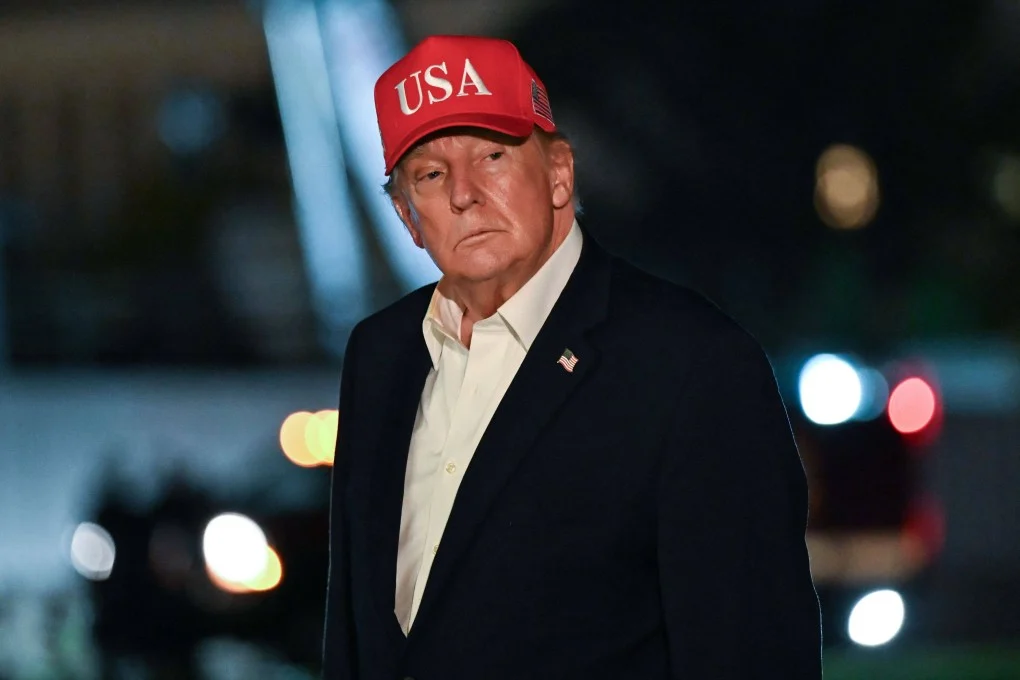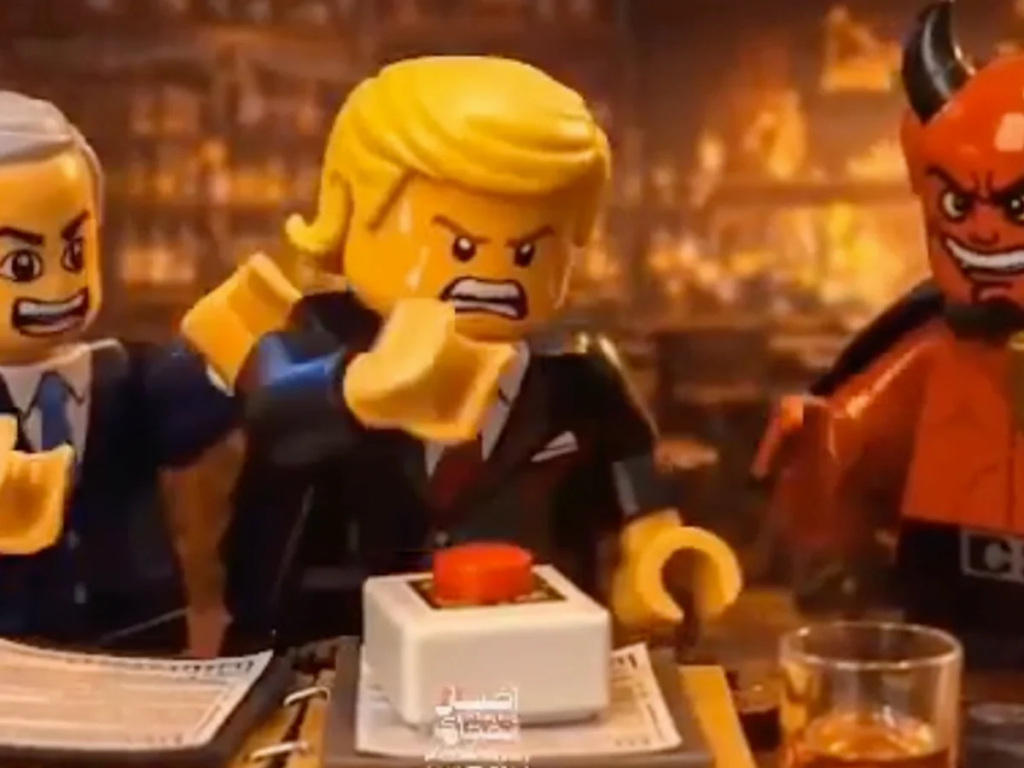
A YouTube ban targeting a channel known for AI-generated Lego-style videos mocking Donald Trump has reignited debate over how platforms handle synthetic media during geopolitical conflicts.
The channel, identified as Explosive Media, reportedly used AI tools to create viral clips blending satire, political messaging, and stylized animation. After one such video gained millions of views, YouTube removed the channel, citing violations tied to “violent content.”
The move raises bigger questions: Where does satire end and propaganda begin, and how should platforms respond when AI accelerates both?
What happened to the AI Lego video channel?
The controversy centers on a series of AI-generated videos designed to resemble Lego-style animations.
Key developments
- The channel posted videos targeting Donald Trump
- One viral clip referenced alleged links to the Epstein case through a rap-style narrative
- The videos amassed millions of views
- YouTube removed the channel shortly after
Following the takedown, Explosive Media claimed on social platform X that its content was not violent, questioning the platform’s reasoning.
Notably, similar content remains available on other platforms, highlighting the limits of platform-specific enforcement.
Why did YouTube ban the channel?
YouTube has not issued a detailed public explanation specific to this case, but the stated reason suggests a broader interpretation of its policies.
Possible reasons behind the ban
- Use of simulated or implied violence, even in stylized formats
- Political targeting during an active geopolitical conflict
- Potential violations related to harassment or misinformation
- Coordinated influence or propaganda concerns
Platforms often act quickly when content intersects with politics, virality, and synthetic media, even if the intent is framed as satire.
Are these videos propaganda or satire?
That’s the central tension.
The satire argument
Supporters of such content argue the following:
- The Lego-style format is clearly fictional
- The tone is humorous or exaggerated
- Political satire has long been part of public discourse
The propaganda concern
Critics counter that
- AI tools can mask intent behind polished visuals
- Messaging may align with geopolitical narratives
- Viral content can influence perception regardless of format
In this case, some observers allege the videos promoted pro-Iran narratives, though the creators deny any direct affiliation with the Iranian government.
How AI is changing information warfare
This incident fits into a larger pattern: AI is becoming a core tool in modern information conflicts.
What’s different now
- Content can be produced at scale
- Visual realism or stylized believability increases engagement
- Distribution is driven by algorithms, not gatekeepers
Examples from recent conflicts
- During the Russian invasion of Ukraine, AI-generated visuals circulated widely
- The rise of “AI slop” flooded social feeds with low-quality but high-volume imagery
- Memes and satire are increasingly used as strategic messaging tools
Why Lego-style content works so well online
At first glance, the format seems harmless. In reality, it’s highly effective.
Psychological advantages
- Familiar, non-threatening visuals
- Easy to share and consume
- Lower skepticism compared to traditional political content
This combination allows serious messages to travel under the cover of entertainment.
What role do tech companies play?
The incident also highlights the growing pressure on tech platforms.
Challenges platforms face
- Distinguishing satire from manipulation
- Moderating AI-generated content at scale
- Responding quickly without over-censoring
In this case, companies like Google have been drawn into geopolitical narratives themselves, with allegations, unverified, of bias or involvement.
Why is enforcement inconsistent?
One of the biggest criticisms of platform moderation is inconsistency.
Why similar content still exists elsewhere
- Different platforms have different policies
- Enforcement varies by region and context
- Content may not be flagged or reviewed uniformly
This creates a fragmented ecosystem where banned content can quickly resurface.
What this means for creators and viewers
For creators:
- AI-generated content faces increasing scrutiny
- Political themes raise the risk of takedowns
- Transparency and intent may matter more going forward
For viewers:
- Not all viral content is what it appears to be
- Satire, propaganda, and misinformation can overlap
- Critical consumption is more important than ever
The bigger picture: AI, politics, and platform power
This isn’t just about one channel.
It reflects a broader shift where
- AI lowers the barrier to influence
- Platforms act as gatekeepers of global narratives
- Lines between entertainment and political messaging blur
As AI tools become more accessible, these tensions are likely to intensify.
TL;DR
- YouTube banned a channel posting AI-generated Lego videos targeting Donald Trump
- The content went viral but was removed for policy reasons
- Debate continues over whether the videos were satire or propaganda
- AI is playing a growing role in information warfare
- Platform moderation remains inconsistent and controversial