
Fresh political turbulence has erupted inside Labour Party after senior MP Catherine West reportedly circulated messages to colleagues urging support for a structured leadership transition away from Prime Minister Keir Starmer.
The move follows a bruising round of local and regional election results that triggered anxiety across Labour ranks and intensified questions about Starmer’s political standing less than two years after returning the party to power.
Catherine West stopped short of launching an immediate leadership challenge, but her intervention signals growing unrest inside a government already under pressure over public frustration, economic strain, and a rapidly shifting political landscape.
Why Catherine West wants Labour to prepare for new leadership
According to reports, Catherine West asked fellow Labour MPs to support a proposal calling on Starmer to establish a timetable for electing a new party leader by September.
That distinction matters politically.
Instead of attempting a direct coup requiring backing from dozens of MPs, West appears to be advocating for what she describes as an “orderly transition.”
What Catherine West reportedly argued
In her statement following Starmer’s latest speech, West said:
- Labour’s recent election performance showed the party had failed to inspire voters
- Starmer’s response came “too little too late”
- The party needed renewed leadership momentum
Her comments reflect a broader fear among some Labor lawmakers that the party risks losing political energy just as opposition movements gain traction.
Political leadership crises rarely arrive with cinematic thunder. More often, they begin with carefully worded emails, tense corridor conversations, and MPs quietly counting allies over weak coffee in Westminster offices.
What triggered Labour’s internal backlash?
The immediate pressure on Starmer stems from severe election setbacks across parts of the United Kingdom.
Labour’s recent election losses included:
- Losing control of the Welsh devolved government for the first time in 27 years
- Heavy local council losses in England
- A major surge by Nigel Farage and Reform UK
According to reports:
- Labour lost nearly 1,500 council seats
- Reform UK reportedly surged from under 100 seats to more than 1,400
Those numbers sent shockwaves through British politics because they suggest growing voter volatility despite Labour currently holding national power.
A useful infographic here could compare:
- Labour council seat totals before and after the elections
- Reform UK’s rapid expansion
- Regional voting shifts across England and Wales
Keir Starmer says he will not “walk away”
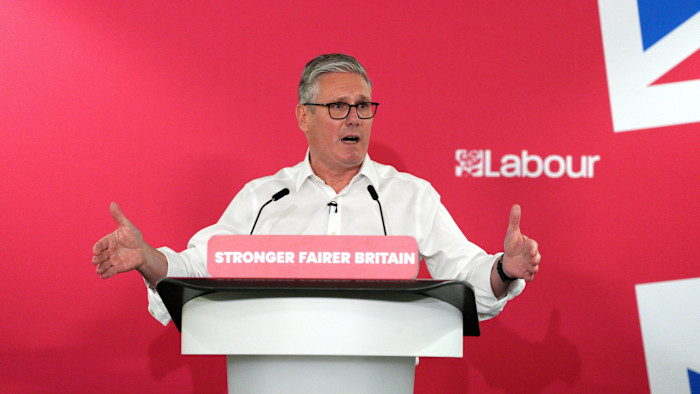
Facing mounting criticism, Starmer delivered a speech in central London aimed at reassuring both the public and nervous Labour lawmakers.
During the address, he acknowledged public frustration while insisting he intended to remain in office.
Starmer’s message to critics
Starmer said:
- He understood voter frustration
- He knew some people doubted him
- He intended to prove critics wrong
- He would not abandon the leadership
The speech attempted to project resilience at a moment when Labour’s internal mood appears increasingly unsettled.
For Starmer, the political challenge is especially complicated because he already achieved what many thought impossible: returning Labour to power after 14 years of Conservative rule.
Now the question haunting parts of the party is whether winning government and sustaining political enthusiasm are proving to be very different tasks.
Why Labour’s election losses matter beyond local politics
Local elections in Britain often function as political weather vanes rather than final national verdicts.
Still, the scale of Labour’s setbacks matters for several reasons.
What worried Labour MPs most
Reform UK’s rapid rise
Farage’s Reform UK appears to be converting public frustration into electoral momentum at a startling pace.
The party’s gains suggest:
- Growing anti-establishment sentiment
- Discontent over immigration and economic issues
- Erosion of traditional party loyalty
Welsh losses carried symbolic weight
Labour losing dominance in Wales was particularly significant because the party had governed there continuously since the Welsh Parliament’s creation.
That defeat shattered assumptions about Labour’s regional durability.
Questions about Starmer’s political identity
Some critics inside Labour argue Starmer has struggled to define a compelling emotional narrative for voters beyond competence and stability.
In politics, managerial credibility often wins elections. Sustained enthusiasm usually requires something more combustible.
Could Keir Starmer actually face a leadership challenge?
At the moment, no formal leadership contest has been triggered.
Under Labour rules, mounting a serious challenge would require substantial parliamentary support.
Catherine West reportedly stepped back from efforts to force an immediate contest because it would have required backing from 81 MPs.
Still, leadership speculation itself can become politically damaging.
Why leadership rumors matter even without a contest
Persistent internal unrest can:
- Undermine government authority
- Distract from policy priorities
- Encourage opposition attacks
- Create media instability
- Shake voter confidence
British politics has repeatedly shown how quickly leadership pressure can escalate once doubts gain momentum inside governing parties.
Just ask the recent ghost parade of prime ministers who entered Downing Street confidently and exited politically vaporized months later.
Reform UK’s surge is reshaping British politics
One of the biggest underlying stories behind Labour’s turmoil is the rise of Reform UK.
Led by Farage, the party has increasingly positioned itself as:
- Anti-establishment
- Nationalist
- Populist
- Skeptical of mainstream political elites
Its growth mirrors trends seen across Western democracies, where outsider parties capitalise on:
- Economic dissatisfaction
- Immigration concerns
- Distrust in institutions
- Frustration with traditional political parties
The challenge for Labour is that Reform’s rise can fracture political coalitions in unpredictable ways.
What happens next for Labour?
For now, Starmer remains Prime Minister and leader of the Labour Party.
But the coming months could become critical.
Key questions facing Labour now
- Can Starmer rebuild political momentum?
- Will Labour MPs rally behind him or fragment further?
- Can Reform UK maintain its rapid growth?
- Will economic conditions improve before national frustration deepens?
- Could another poor election performance trigger a formal leadership challenge?
Much may depend on whether Labour can shift public focus from internal conflict back toward governance.
Because once voters begin associating a government primarily with instability, political gravity becomes difficult to escape.
TL;DR
Labour MP Catherine West has reportedly urged colleagues to support a planned leadership transition away from Prime Minister Keir Starmer after major local election setbacks. Labour lost significant ground in England and Wales, while Nigel Farage’s Reform UK made major gains. Starmer insists he will stay on and rebuild support, but growing unrest inside Labour has intensified speculation about his political future.