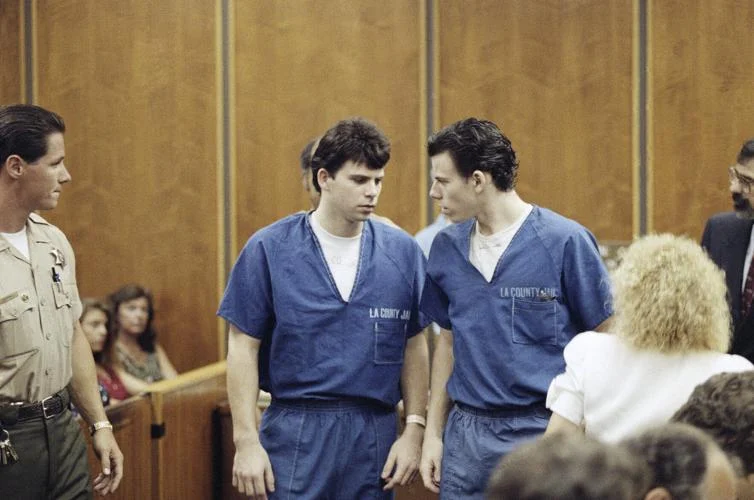
The Menendez brothers-Lyle and Erik-are once again at the center of national attention, not for the infamous crime that shocked America in 1989, but for their possible release after more than three decades behind bars. With their sentences recently reduced to 50 years to life, the brothers are now eligible for parole, opening a new chapter in a saga that has captivated and divided the country for decades.
Parole eligibility: The legal road ahead
After Judge Michael V. Jesic resentenced the brothers, the next step is a hearing before the California state parole board. This board will weigh a range of factors, including:
- The severity and nature of the original crime
- Evidence of rehabilitation, remorse, and personal growth
- Risk assessments regarding the likelihood of reoffending
- Testimonies from family, victims’ advocates, and corrections officials
Judge Jesic made it clear: “I am not implying that they should be released. That is not my role. However, I do believe they have accomplished enough over the past 35 years to deserve that opportunity”. The parole board’s decision will be pivotal, but it is not the final word. If the board grants parole, California Governor Gavin Newsom can still review and potentially block or approve their release.
Possible outcomes: Freedom, delay, or denial
1. Parole Granted and Release
- If the parole board finds that Lyle and Erik no longer pose an unreasonable risk to society, they could be released within months.
- Former Assistant U.S. Attorney Neama Rahmani told Fox News, “I don’t expect the parole board or Governor Newsom to block their release,” citing the brothers’ record of rehabilitation and the support they’ve received from corrections officials and family.
2. Parole Denied
- The board could deny parole, citing concerns about the brothers’ insight into their crimes or lingering doubts about their remorse and risk to the public.
- Los Angeles County District Attorney Nathan Hochman has argued that the brothers have “not fully accepted responsibility for all their criminal conduct,” suggesting the possibility of a parole denial or a significant delay.
3. Parole Delayed or Conditional
- The board might defer a decision, requesting further psychological evaluations or more evidence of rehabilitation.
- Parole could also be granted with strict conditions, such as mandatory counseling, community service, or electronic monitoring.
Public perception: A nation still divided
The Menendez case has always polarized Americans. In recent years, there has been a surge in support for the brothers, especially among younger generations and celebrities. Kim Kardashian and Rosie O’Donnell are among those who have called for their release, citing the brothers’ claims of childhood abuse and their reported transformation in prison.
Family members have testified to the brothers’ remorse and their positive impact on fellow inmates. “We all, on both sides of the family, believe that 35 years is enough,” said their cousin Ana Maria Baralt. Former inmates have credited Lyle and Erik with helping them turn their lives around.
However, skepticism remains. Some legal experts and victims’ advocates argue that the brutality of the crime-a shotgun killing of their own parents-should preclude parole. DA Hochman’s stance reflects this view: “Our position is not ‘no’, it’s not ‘never’, it’s ‘not yet’”.
Precedents and the broader context
California’s evolving laws on juvenile and young-adult offenders have paved the way for resentencing in cases like the Menendez brothers’. Both were under 26 at the time of the crime, making them eligible for parole consideration under reforms signed by Governor Newsom. In similar high-profile cases, such as the release of Patricia Krenwinkel (Manson Family) and Leslie Van Houten, parole was granted after decades in prison, though not without intense public and political debate.
The role of rehabilitation and redemption
Much of the parole debate centers on the brothers’ reported rehabilitation. In prison, Lyle and Erik have pursued college degrees, led support groups, and participated in programs to help other inmates, including hospice care for the elderly and ill. Judge Jesic called their efforts “remarkable,” and corrections officials’ letters in support of the brothers were a deciding factor in the resentencing.
Both brothers have publicly apologized. “I killed my mom and dad. I make no excuses. I take full responsibility,” Lyle told the court. Erik called his actions “cruel and cowardly.”
What’s Next: Timeline and key dates
- Parole hearings are expected to begin in June 2025.
- The board’s decision could come within months, but appeals or reviews by the governor could extend the process.
- Public campaigns and media attention are likely to intensify, especially if the brothers are granted parole.
The Menendez brothers’ fate now rests with the parole board and Governor Newsom. Whether they walk free or remain behind bars, the decision will echo far beyond their case-testing America’s evolving views on punishment, rehabilitation, and the possibility of redemption after even the most horrific crimes.
As defense attorney Mark Geragos put it: “Today is a great day… but the journey isn’t over yet”. The nation, once again, will be watching.