
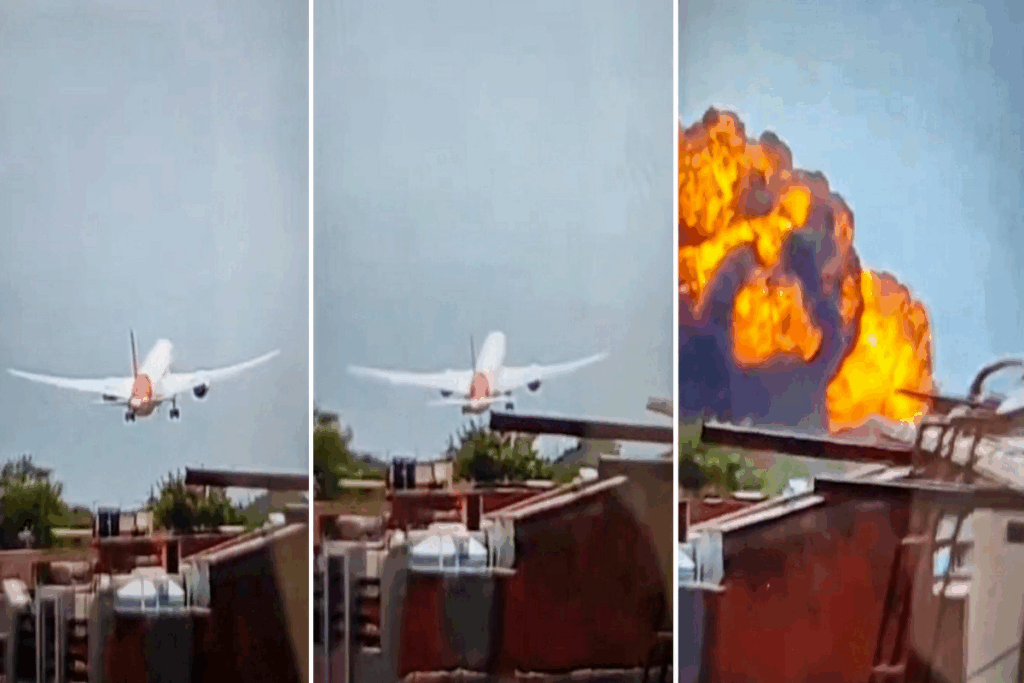


When a Rare Disaster Demands a Global Rethink
The Air India Boeing 787-8 Dreamliner crash in Ahmedabad has sent shockwaves through the aviation world, not just for its tragic loss of life but because it shattered the Dreamliner’s decade-long fatality-free record. As investigators probe the technical, regulatory, and human factors behind the crash, the global aviation community is asking: What can be done to prevent such disasters in the future? This article explores the latest data, technical safeguards, regulatory reforms, and lessons from past incidents that point the way forward for safer skies.
1. Learning from the Dreamliner’s Safety Record—and Its Flaws
The Boeing 787-8 Dreamliner has been a symbol of technological progress since its 2011 debut, with more than 1.4 million flights completed and over 600 million passengers carried worldwide. Its advanced composite materials, fly-by-wire controls, and integrated avionics were designed to make it one of the safest jets in the sky. Until the Ahmedabad crash, it had no fatal accidents on record.
Yet, the Dreamliner’s history is not without blemishes. In 2013, a global grounding followed lithium-ion battery fires, prompting Boeing and regulators to overhaul battery design and certification processes. More recently, whistleblowers and FAA audits flagged manufacturing lapses—such as improperly joined fuselage sections and surface wrinkling—at Boeing’s South Carolina plant. These issues led to delivery pauses and increased regulatory scrutiny, showing that even the most advanced aircraft are vulnerable to quality control breakdowns.
Lesson: Continuous, independent oversight and transparent reporting on manufacturing and maintenance are essential, even for aircraft with strong safety records.
2. Technical Safeguards: What Works—and What Needs Improvement
a. Redundant Systems and Fail-Safes
Modern jets like the 787 are built with multiple layers of redundancy. Critical systems—such as hydraulics, avionics, and power—are separated by function and space, so the loss of one system won’t take down the backup5. Fly-by-wire controls and advanced avionics, including Synthetic Vision Systems (SVS) and Integrated Modular Avionics (IMA), enhance pilot situational awareness and automate many safety-critical functions27. Audible alarms, lighted indicators, and moving controls keep pilots informed of any anomaly5.
What’s Needed:
- Enhanced sensor reliability: Past incidents, including the 2019 Ethiopian Airlines 737 MAX crash, showed how faulty sensors can mislead automated systems. Regular sensor calibration and real-time health monitoring can catch failures before they become catastrophic.
- Improved maintenance tracking: Airlines must use predictive analytics and digital maintenance logs to identify patterns that could signal emerging risks.
b. Rigorous Testing and Certification
Boeing’s “building block” testing approach—5,000+ hours of system-level and 10,000+ hours of airplane-level testing—was designed to ensure reliability under all conditions. The FAA’s certification process is among the world’s most robust, but the 737 MAX crisis revealed gaps in oversight and the dangers of regulatory capture.
What’s Needed:
- Truly independent certification: Regulators must have the resources and authority to challenge manufacturers and require fixes before certification.
- Global harmonization: Incidents like the 2013 battery fires led to coordinated global groundings. International standards for testing and certification must be updated as technology evolves.
3. Regulatory Oversight: Closing the Loopholes
a. Production and Quality Control
After repeated structural and assembly issues at Boeing’s South Carolina facility, the FAA slowed certification and increased on-site inspections6. More than 100 jets sat idle awaiting fixes, highlighting the need for robust, ongoing oversight, not just at initial certification but throughout the production lifecycle.
What’s Needed:
- Randomized, unannounced audits of manufacturing plants.
- Whistleblower protections and mandatory reporting of safety concerns.
- Transparency: Public disclosure of recurring issues and corrective actions.
b. Maintenance and Operations
Globally, regulators like India’s DGCA, the FAA, and EASA (Europe) are responsible for ensuring airlines follow strict maintenance and operational protocols. However, resource constraints and rapid fleet expansion can lead to gaps, especially in emerging markets.
What’s Needed:
- Digital maintenance tracking and sharing of anonymized safety data across borders.
- Mandatory reporting of all technical incidents, not just those resulting in accidents.
- Regular retraining for pilots and maintenance crews on new systems and emergency protocols.
4. Learning from Past Incidents: Data and Case Studies
- Boeing 787 Battery Fires (2013): Led to global grounding, redesign of battery systems, and stricter certification.
- Boeing 737 MAX Crashes (2018, 2019): Faulty MCAS software and sensor failures led to two crashes, 346 deaths, and a 20-month global grounding. Resulted in sweeping regulatory reforms, including independent software reviews and pilot retraining.
- Air France 447 (2009): Pitot tube icing caused loss of airspeed data, leading to a stall. Prompted new requirements for sensor design and pilot training on unreliable airspeed scenarios.
- Qantas A380 Engine Failure (2010): Uncontained engine failure led to industry-wide inspection protocols for Rolls-Royce Trent engines (similar to those on the 787).
5. The Human Factor: Training, Communication, and Culture
Even the best technology can be undermined by human error or organizational culture. The 737 MAX crashes revealed how pressure to deliver new jets led to shortcuts and inadequate pilot training. The Dreamliner’s current investigation will likely examine crew actions, maintenance decisions, and communication with air traffic control.
What’s Needed:
- Enhanced simulator training for rare but catastrophic failures (e.g., dual engine loss, control surface malfunctions).
- Just culture: Encouraging open reporting of errors and near-misses without fear of retribution.
- Global data sharing: Airlines and regulators must collaborate on safety data, trends, and best practices.
6. Future Technologies: AI, Predictive Maintenance, and Real-Time Monitoring
The next frontier in aviation safety is real-time health monitoring, predictive analytics, and AI-driven maintenance. Aircraft already transmit data on system health during flight; expanding this to include predictive alerts for potential failures could allow intervention before disaster strikes.
- Predictive maintenance: Airlines using AI-driven analytics have reduced in-flight failures by up to 30% in recent years.
- Real-time data sharing: Programs like the FAA’s Aviation Safety Information Analysis and Sharing (ASIAS) allow airlines to spot patterns and intervene early.
Safer Skies Are Possible—But Only With Vigilance
The Air India crash is a painful reminder that even the most advanced aircraft are not immune to disaster. But history shows that every tragedy can drive progress—if the industry, regulators, and governments act decisively. By strengthening oversight, embracing new technology, learning from past mistakes, and fostering a culture of transparency, the world can make sure that the next Air India–type crash is averted—and that every passenger, everywhere, flies with confidence.