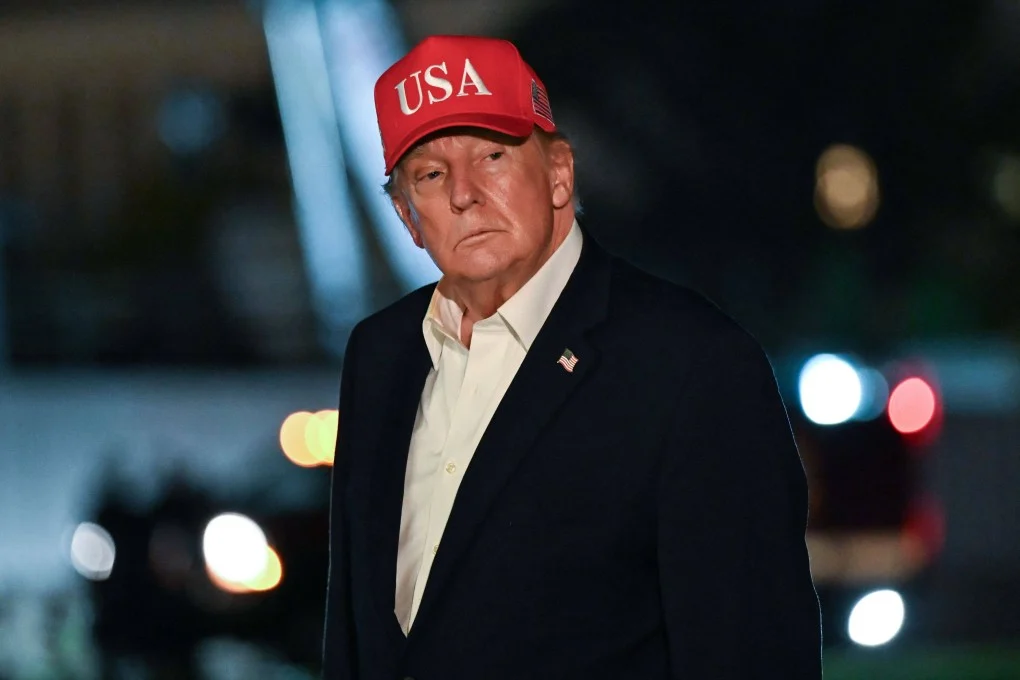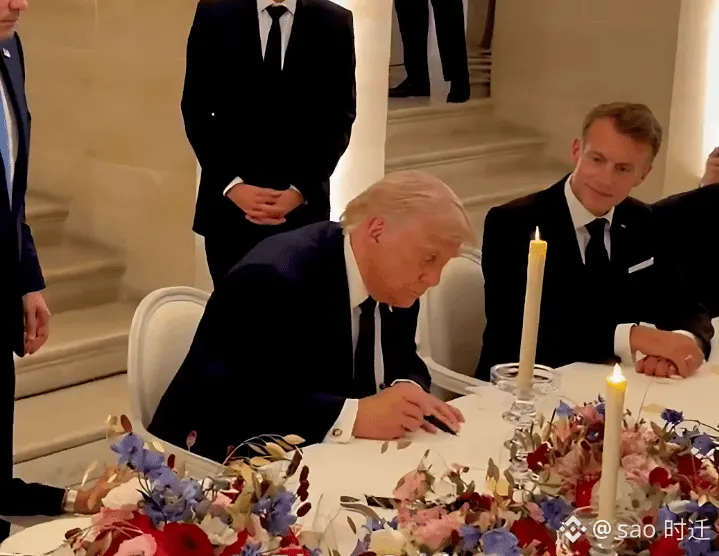
The United States and Iran have signed a 14-point memorandum of understanding (MoU) that aims to end hostilities and lay the foundation for a broader peace agreement. The deal, signed remotely by US President Donald Trump and Iranian President Masoud Pezeshkian, outlines commitments ranging from a ceasefire and sanctions relief to nuclear restrictions and economic reconstruction.
While the MoU is not a final peace treaty, it establishes a roadmap for negotiations over the next 60 days. If implemented, it could reshape US-Iran relations and have far-reaching implications for the Middle East, global energy markets, and international security.
What is the 14-point US-Iran agreement?
The memorandum of understanding is designed as a framework for ending military conflict while creating conditions for a comprehensive diplomatic agreement.
The document was announced by the White House and confirmed by Iran’s foreign minister. President Trump signed it from France while attending the G7 Summit, while President Pezeshkian signed remotely. A formal signing ceremony planned in Switzerland remains uncertain.
Unlike a permanent treaty, the MoU serves as an interim agreement outlining the obligations both countries must fulfill before reaching a final settlement.
What are the key points of the agreement?
1. Immediate end to military operations
The agreement begins with an immediate and permanent cessation of military operations across all fronts, including Lebanon.
This provision is intended to halt active fighting while diplomatic negotiations continue.
2. Respect for sovereignty
Both countries agree to respect each other’s sovereignty and territorial integrity.
The agreement also commits both governments to avoiding interference in each other’s domestic affairs, a long-standing source of tension between Washington and Tehran.
3. Final agreement within 60 days
The US and Iran pledge to negotiate a comprehensive peace agreement within 60 days.
The timeline can be extended if both governments mutually agree that additional negotiations are necessary.
How will sanctions and trade change?
US to remove naval blockade
Under the fourth provision, the United States agrees to begin removing its naval blockade immediately after the MoU takes effect.
The blockade is expected to end completely within 30 days.
Masoud Pezeshkian guarantees safe passage through the Strait of Hormuz
Pezeshkian agrees to ensure safe navigation through the Strait of Hormuz after demining operations are completed.
The agreement also specifies that ships will be allowed to pass without additional charges.
Because roughly one-fifth of the world’s traded oil passes through the strategic waterway, this commitment could help stabilize global energy markets if fully implemented.
$300 billion reconstruction plan
The sixth provision commits the United States to developing a mutually agreed reconstruction and economic development plan worth at least $300 billion.
The funding would support Iran’s post-conflict recovery, although implementation details have not yet been released.
What does the agreement say about sanctions?
One of the most significant provisions concerns sanctions relief.
If the two countries successfully negotiate a final agreement, the United States commits to lifting all sanctions imposed on Iran, including those linked to United Nations Security Council resolutions.
The agreement describes sanctions relief as a critical element of long-term normalization between the two nations.
Iranian oil exports resume
The US also agrees to issue waivers allowing the export of Iranian crude oil, petroleum products, and related services.
The waivers would cover banking transactions, shipping, insurance, and transportation, potentially restoring Iran’s access to international energy markets.
Frozen Iranian assets
Another provision states that certain Iranian funds and assets frozen abroad will be released after the successful implementation of the MoU.
What are Iran’s nuclear commitments?
The eighth provision is widely viewed as the agreement’s most important security commitment.
Pezeshkian reaffirms that it will neither acquire nor develop nuclear weapons.
The country also agrees to dispose of its enriched uranium stockpile through a mutually agreed mechanism supervised by the International Atomic Energy Agency (IAEA).
Until a final nuclear agreement is completed, both sides agree to maintain the current status quo.
The United States also commits not to impose additional sanctions or deploy more military forces to the region during this interim period.
How will compliance be monitored?
The agreement establishes a joint mechanism to monitor implementation and verify compliance by both countries.
This oversight system is intended to build confidence during negotiations and address disputes before they escalate.
Once all provisions are fulfilled, negotiations will shift toward finalizing a permanent agreement.
The final deal would ultimately require endorsement through a binding United Nations Security Council resolution.
Why does the agreement matter?
If implemented as outlined, the memorandum could mark one of the most significant diplomatic breakthroughs between the United States and Iran in decades.
Beyond ending military hostilities, the agreement addresses several longstanding issues, including sanctions, nuclear oversight, maritime security, oil exports, and economic reconstruction.
Its success, however, depends on both governments meeting their commitments during the negotiation period. Any failure to comply could delay or derail a final peace agreement.
The bottom line
The 14-point US-Iran memorandum of understanding establishes a detailed roadmap toward ending the conflict and rebuilding diplomatic relations. From a permanent ceasefire to sanctions relief and nuclear safeguards, the agreement attempts to balance security concerns with economic recovery.
Whether it becomes a lasting peace agreement will depend on successful negotiations, international oversight, and continued political commitment from both Washington and Tehran.
TL;DR
- The US and Iran signed a 14-point memorandum of understanding to end the conflict.
- The agreement calls for an immediate ceasefire and a commitment to negotiate a final deal within 60 days.
- The US agrees to remove sanctions, end its naval blockade, and support Iran’s reconstruction.
- Iran reaffirms it will not develop nuclear weapons and will dispose of its enriched uranium stockpile under international oversight.
- A monitoring mechanism will oversee compliance before a final agreement is submitted to the UN Security Council.