
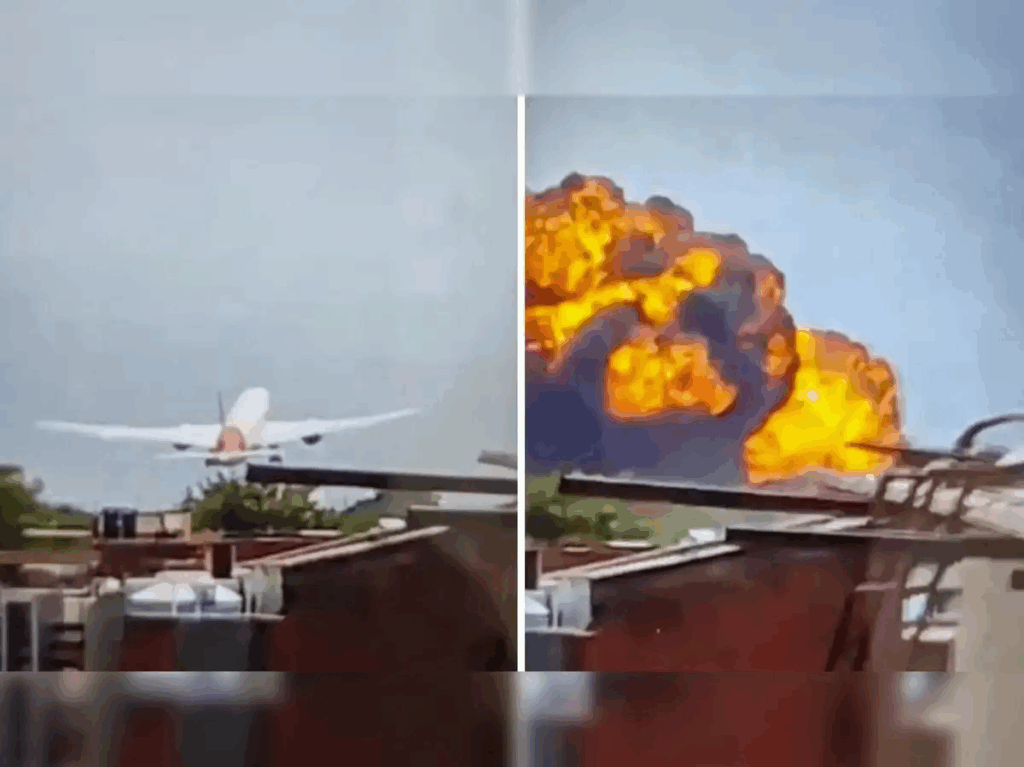
Air India flight AI 171 crash raises fresh concerns over Dreamliner safety
A year before the catastrophic crash of an Air India Boeing 787 Dreamliner in Ahmedabad, a whistleblower had raised alarming concerns about structural flaws in the aircraft, alleging that Boeing prioritized profits over passenger safety.
The ill-fated flight AI 171, carrying 242 passengers and crew, crashed shortly after takeoff from Sardar Vallabhbhai Patel International Airport on Thursday afternoon. The incident, one of the deadliest in aviation history, has reignited scrutiny over the Dreamliner’s safety record.
Dire warning of Whistleblower ignored
Last year, Boeing engineer Sam Salehpour—a veteran with nearly two decades at the company—blew the whistle on what he described as dangerous assembly defects in the 787 Dreamliner. He accused Boeing of dismissing his concerns and retaliating by transferring him to the 777 program.
“Rather than heeding his warnings, Boeing prioritized getting the planes to market as quickly as possible, despite the known, well-substantiated issues Mr. Salehpour raised,” his attorneys stated.
Salehpour later testified before the US Senate, warning that improperly assembled fuselage sections could lead to premature wear and potential structural failure. Boeing denied his allegations, asserting it was “fully confident” in the Dreamliner’s safety.
FAA investigation found no immediate risk
Following Salehpour’s claims, the Federal Aviation Administration (FAA) launched an investigation but ultimately concluded that in-service 787s “are in compliance with current safety regulations.”
However, another whistleblower, Richard Cuevas, came forward in June 2024, alleging he was fired after reporting manufacturing defects in the Dreamliner’s forward pressure bulkhead—a critical component for maintaining cabin pressure.
Cuevas, a contractor for Spirit AeroSystems (a Boeing supplier), filed complaints with the FAA and the Occupational Safety and Health Administration (OSHA). His legal team accused Boeing and Spirit of misleading the public, stating:
“Mr. Cuevas believes that, based on his direct observations of glaring safety issues, Boeing’s and Spirit’s statements to the public and investors about the safety of 787 Dreamliners are fraudulent.”
Ahmedabad crash under investigation
The cause of the Air India crash remains unknown, with authorities from the Directorate General of Civil Aviation (DGCA) and Boeing assisting in the probe. The pilots issued a mayday call shortly after takeoff but lost contact with air traffic control.
Of the 242 onboard, only one survivor has been confirmed. The passenger manifest included 169 Indian nationals, 53 British citizens, one Canadian, and seven Portuguese travelers.
Boeing has stated it is “ready to support” the investigation, but the tragedy has intensified scrutiny over whether long-standing safety concerns were adequately addressed.
As aviation experts and regulators piece together the wreckage, the world watches—waiting for answers about what went wrong, and whether this disaster could have been prevented.