
What triggered the resignations at the BBC?
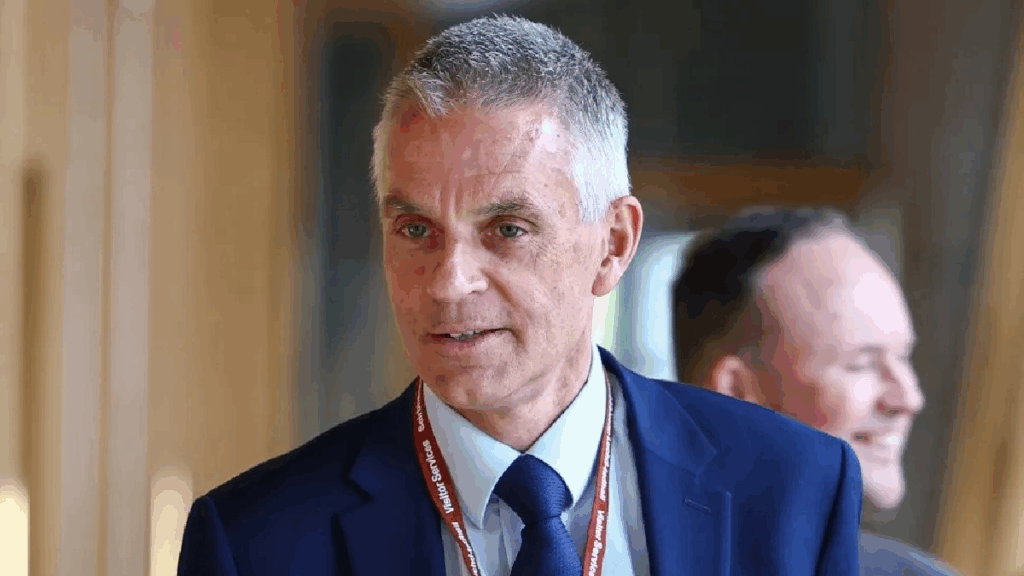
Media house British Broadcasting Corporation (BBC) is grappling with one of its most severe credibility crises in decades following the resignations of Director General Tim Davie and Head of News Deborah Turness. Their exits come in the wake of a Panorama documentary accused of misleading viewers by editing a speech from former US President Donald Trump.
The controversial edit altered the tone and meaning of Trump’s January 6, 2021, address—a speech central to the Capitol Hill riots. In the original, Trump called on supporters to “cheer on our brave senators and congressmen and women.” The edited version, however, presented him as saying, “We fight. We fight like hell.”
The difference was not trivial. It implied Trump incited violence, a distortion that sparked outrage in both political and media circles, eventually forcing the BBC into a deep internal reckoning.
How the documentary controversy unfolded
The documentary in question—part of the BBC’s flagship Panorama series—was intended to explore misinformation and political rhetoric. Instead, it became an example of the very problem it aimed to expose.
An internal memo by Michael Prescott, a former adviser to the BBC’s Editorial Standards Committee, revealed that the production team had knowingly edited Trump’s remarks “for brevity” but failed to clarify this on air. The omission was seized upon by critics as evidence of bias within the corporation.
Public reaction was swift. Conservative lawmakers in both the UK and the US accused the BBC of interfering in democratic discourse. Social media amplified the backlash, with hashtags like #BBCBias and #FakeEdit trending for days.
How BBC leadership responded
Under mounting pressure, Tim Davie accepted full responsibility, calling the incident a “serious editorial lapse.” In his resignation statement, Davie admitted,
“Like all public organizations, the BBC is not perfect. We must always be open, transparent, and accountable.”
Deborah Turness echoed his sentiments, emphasizing that the controversy had “reached a stage where it is causing damage to the BBC.” Her decision to step down, she said, reflected her belief that “leaders must be fully accountable for the standards set under their watch.”
BBC Chairman Samir Shah described the resignations as a “sad day for the BBC,” noting that while he respected their decisions, the incident underscored the urgent need for editorial reform. Shah is expected to appear before a UK parliamentary committee to apologize for the corporation’s handling of the Trump footage.
How Donald Trump responded
Trump, never shy about criticizing major media outlets, welcomed the resignations. On Truth Social, he wrote that top BBC officials were “quitting or being fired for doctoring my speech,” labeling them “very dishonest people who tried to step on the scales of a Presidential Election.”
His comments reignited debates about media trust, particularly regarding how global outlets report on American politics. Some analysts argue that Trump’s response—though politically charged—reflects a broader concern about media manipulation and loss of public confidence in traditional journalism.
Why does the issue go beyond one documentary
The Panorama incident is not an isolated event. Over the past year, the BBC has faced a string of editorial controversies that have eroded its reputation for impartiality:
- Presenter Martine Croxall faced backlash after altering a script to replace “pregnant women” with “pregnant people,” leading to 20 upheld impartiality complaints.
- Another documentary came under fire when viewers discovered that its narrator was the son of a Hamas official, a fact not disclosed by the network.
- Multiple reports were found to have breached editorial guidelines, raising questions about oversight and accountability.
These incidents suggest a pattern of lapses, prompting critics to question whether the BBC’s internal checks are robust enough to sustain its public trust mandate.
What this means for the BBC’s future
The resignations of Davie and Turness mark more than a leadership shakeup—they signal a turning point for the BBC’s editorial integrity. The broadcaster, founded on principles of impartiality and public service, now faces a battle to restore credibility in an age of polarized media.
Analysts say this crisis could lead to:
- Stronger editorial oversight – Expect tighter fact-checking processes and a potential restructuring of content approval hierarchies.
- Increased government scrutiny – The parliamentary committee’s upcoming review could prompt new regulatory measures or funding conditions tied to transparency.
- Global reputational impact – As one of the world’s most respected media brands, the BBC’s actions influence how state-funded media across Europe and the Commonwealth handle political reporting.
This is not the first time the BBC has been in crisis—past controversies like the Hutton Inquiry (2004) and the Savile scandal reshaped its governance. Yet, this moment may prove more existential, as it directly challenges the public’s faith in the BBC’s truth-telling mission.
How media experts are reacting
Several prominent media figures have weighed in on the fallout.
- Roger Mosey, former head of BBC TV News, said the Trump speech edit “doesn’t seem defensible” and called for “a full reexamination of editorial standards.”
- Dorothy Byrne, former Channel 4 head of news, criticized the BBC for taking too long to issue an apology, arguing that “speed and transparency are the new currency of credibility.”
Independent journalism watchdogs, including Reporters Without Borders, have urged the BBC to treat this as a “watershed moment for institutional integrity.”
Why this matters for global journalism
The BBC has long been a benchmark for ethical broadcasting worldwide. Its current turmoil sends a warning signal to all media organizations grappling with the tension between editorial independence and perceived bias.
In an era when AI-generated misinformation and political polarization threaten journalism’s credibility, the BBC’s stumble underscores a universal truth: trust, once broken, takes years to rebuild.
For readers, this controversy invites a broader reflection: How do we ensure accountability without stifling journalistic freedom? The answer may lie in transparent corrections, faster editorial responses, and renewed investment in fact-based reporting—not just at the BBC, but across global newsrooms.
TL;DR
The resignations of BBC’s Director General Tim Davie and Head of News Deborah Turness follow revelations that a Panorama documentary misleadingly edited Donald Trump’s 2021 speech. The fallout has reignited debates about media impartiality, transparency, and the future of public broadcasting. Analysts say this could trigger a major overhaul in the BBC’s editorial standards and serve as a global lesson on accountability in journalism.