
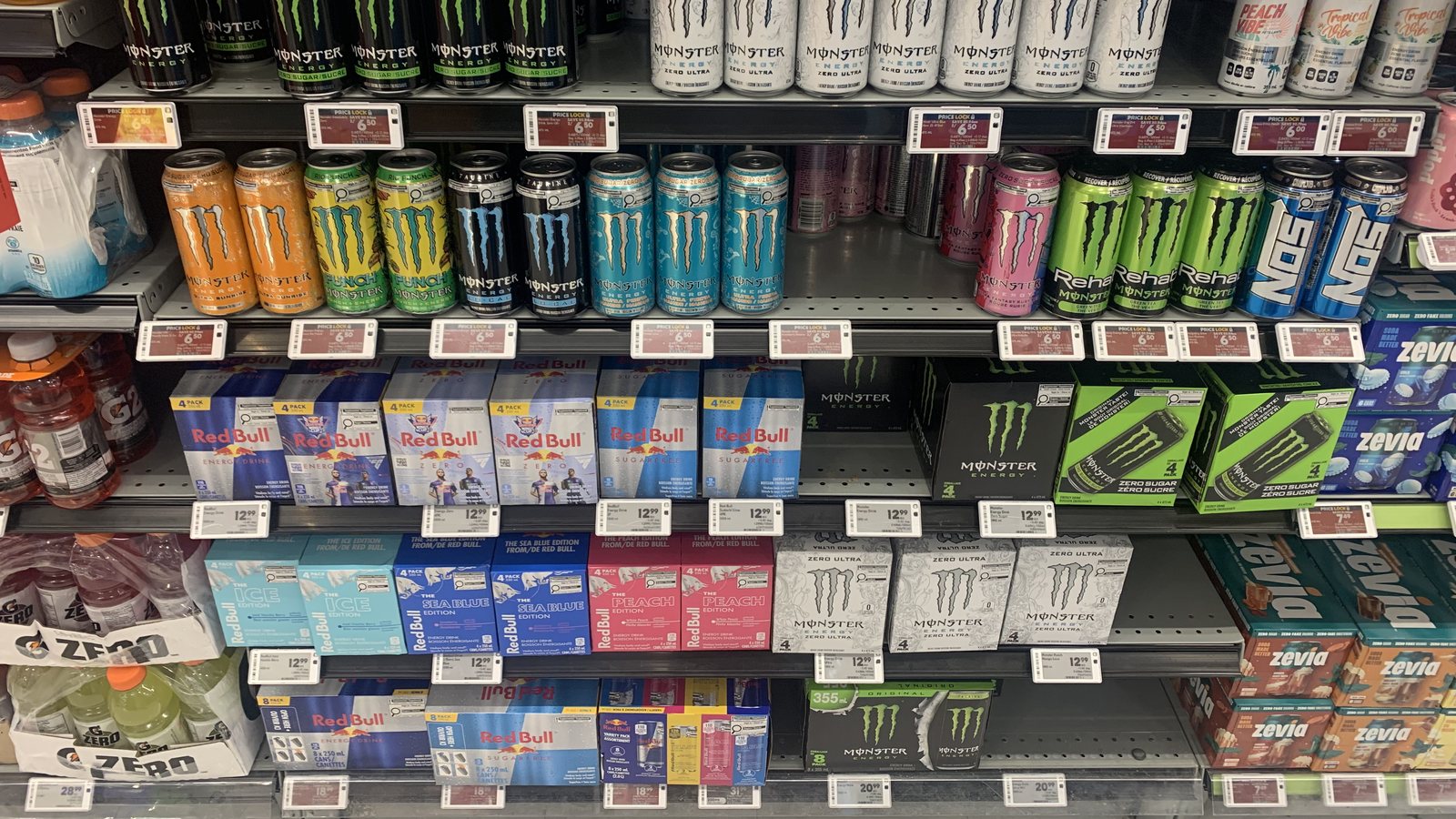

A new study links energy drinks and cardiac arrest in young adults, using eight years of FDA safety reports. Reports tied to caffeine and stimulant products mentioned cardiac arrest about 11 times as often as reports about other foods and supplements. That’s according to a summary released by the American Heart Association on November 2.
The pattern was strongest in people aged 18 to 34. They made up about 45% of the reports linking these products to heart events. Doctors don’t usually think of that age group as high risk.
These drinks are everywhere. The AHA says US energy drink sales more than doubled in a decade, passing $20 billion in 2024. “These products are marketed as everyday pick-me-ups and sold next to soda and bottled water, so most people assume they carry no real risk,” said study author Sai Samayamanthula. Samayamanthula is a fourth-year medical student at the University of Virginia School of Medicine.
What the FDA reports actually show
The team looked at 28,345 adverse-event reports sent to an FDA safety database from 2017 to 2025. All involved people aged 13 or older. Of those, 854 mentioned energy drinks or supplements with caffeine or other stimulants. The other 27,491 covered products without them, such as soft drinks, protein bars, smoothies and vitamins.
Compared with that second group, the stimulant reports were about 4.5 times as likely to mention a heart attack. They were four times as likely to mention palpitations or ventricular arrhythmias, a dangerous rhythm in the heart’s lower chambers. A racing heart came up nearly 3 times as often. Chest pain came up 2.71 times as often, and fainting about twice as often.
The patterns held for men and women alike. The team grouped products by ingredient, not brand, so the results say nothing about any single drink. NBC News was among the outlets that reported the findings on Monday.
This is a research abstract, not a published paper. No journal has peer reviewed it yet. The authors will present it at the AHA’s Scientific Sessions in Chicago, which run November 6 to 9.
Why 11 times as often is not 11 times the risk
The study shows an association in reports. It does not show that energy drinks caused a single cardiac arrest, and the authors say so themselves.
The AHA release doesn’t name the database. The FDA’s adverse-event system for foods and supplements, long known as CAERS, now goes by the Human Foods Complaint System. Consumers, doctors and companies feed it, mostly by choice.
The FDA warns that nobody has checked its reports for cause and effect. It also says the data “cannot be used to estimate incidence (occurrence rate) or to estimate risk.”
The problem is the missing denominator. Nobody knows how many millions of cans people drank with no trouble at all. Nobody knows how many heart events never got reported either.
So the 11-times figure compares the mix of complaints in two piles of reports. It does not give anyone’s odds of harm from a can.
That mix can tilt. Picture a 25-year-old who collapses after three energy drinks: someone will likely suspect the drinks and file a report. Few people would blame a protein bar for a cardiac arrest, so heart events make up a smaller share of that pile from the start.
The signal still counts for something. But the size of the ratio says little about the size of the danger.
Gregory Marcus, a UCSF cardiologist, chaired the AHA’s 2026 scientific statement on caffeine and had no role in the study. “Although there are biological reasons why that connection could be possible, the study does not prove that caffeine products cause these events,” he said in the release. He added that other factors may have shaped the results, and that more research is needed.
What’s in the can besides caffeine
The stimulant group went well beyond coffee-style caffeine. It included related compounds like theobromine, guarana, yerba mate and green tea or coffee extracts. It also included synephrine, yohimbine, ephedra, DMAA and higenamine, which act more like adrenaline.
DMAA stands out. The FDA says it is an amphetamine derivative that can raise blood pressure. The agency links it to problems from shortness of breath to heart attack. Selling it as a supplement is illegal, yet the FDA still lists more than ten other names it hides under, including “geranium extract”.
The AHA’s caffeine fact sheet says energy drinks, gels and caffeine supplements often carry added ingredients. Those can speed up caffeine’s effects and raise blood pressure. The FDA treats these products as foods or supplements, not medicines, so they skip drug-style safety testing before sale. Our reporting on compounded peptides sold for gym and wellness use found a similar gap.
How much caffeine is in a can
For most healthy adults, the FDA puts the line at 400 milligrams a day. That’s about two to three 12-ounce cups of coffee. We took caffeine figures from each brand’s own website and worked out how much of that limit one can uses.
| Drink (brand’s stated figure) | Can size | Caffeine | Per fl oz | Share of 400 mg |
|---|---|---|---|---|
| Red Bull | 8.4 fl oz | 80 mg | 9.5 mg | 20% |
| Red Bull | 16 fl oz | 151 mg | 9.4 mg | 38% |
| Monster Energy, original | 16 fl oz | 160 mg | 10 mg | 40% |
| Alani Nu Energy | 12 fl oz | 200 mg | 16.7 mg | 50% |
| Prime Energy | 16 fl oz | 200 mg | 12.5 mg | 50% |
| Bang Energy | 16 fl oz | 300 mg | 18.8 mg | 75% |
The per-ounce column is the surprise. The AHA puts regular brewed coffee at 9.4 to 20.6 mg per fluid ounce. Every can in our table falls inside that range.
What sets them apart is the dose in one can and how fast people drink it. A single 16-ounce Bang uses three-quarters of the daily limit, and two of them go past it.
The real outliers sit elsewhere. Energy shots can hold 40 to 69 mg per ounce, the AHA says. Some pre-workout supplements have more than 12 times the caffeine per ounce of brewed coffee, the study release adds. The FDA warns that about 1,200 mg taken quickly can cause toxic effects such as seizures.
Alcohol, workouts and hidden heart conditions
The researchers can’t yet say why young adults dominate the reports. Their release offers some possible reasons.
Young people may use these products more often. They may take them before hard exercise, or mix them with alcohol or drugs. Some may have heart conditions nobody has diagnosed.
On alcohol, the CDC says caffeine does not blunt alcohol’s effects on the body. The agency ties mixing the two to more binge drinking, injuries and drunk driving. About one in five college students report mixing alcohol with energy drinks in the past year, the agency says.
The FDA ruled in November 2010 that adding caffeine to alcoholic drinks was unsafe, so companies can’t sell premixed versions in the US.
On existing conditions, the AHA says high caffeine doses raise blood pressure most in people who already have high blood pressure. It also ties very high doses to abnormal rhythms in healthy adults under 30.
Marcus has said there is no “one-size-fits-all” strategy for safe caffeine use. Age, medications, health conditions and genetics all change how people respond. The AHA’s recent guidance on women’s heart health across four life stages makes a similar case for knowing your own risk.
For teenagers, the FDA says energy drinks are not advised, and Prime labels its energy drink “For Ages 18+”. The FDA’s warning signs of too much caffeine include a fast heart rate, palpitations and high blood pressure. Sleeplessness, jitters, nausea and headache are on the list too.
Samayamanthula wants doctors to start asking. The release quotes the study author urging clinicians to ask younger patients about these products when they report palpitations, chest pain or fainting. The full results go before cardiologists in Chicago starting November 6. They stay preliminary until a complete paper clears peer review.