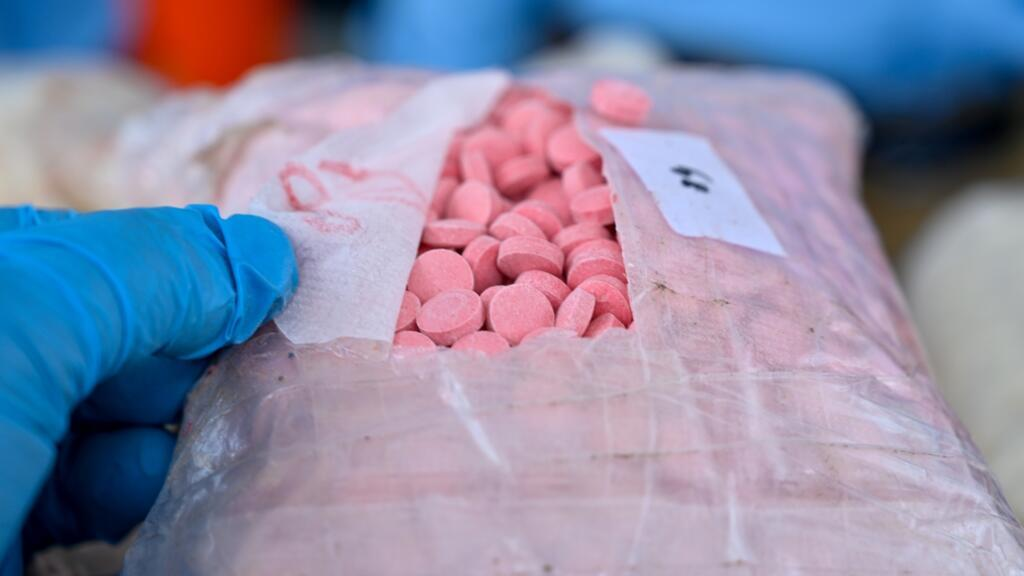
New Zealand has taken a closely controlled step toward psychedelic-assisted mental health treatment by allowing two psychiatrists to prescribe pharmaceutical-grade MDMA to eligible adults with severe post-traumatic stress disorder.
The decision by the medicines regulator Medsafe makes New Zealand only the second country, after Australia in 2023, to permit MDMA-assisted psychotherapy for PTSD in a clinical setting. But this is not a nationwide approval of MDMA as a medicine.
For now, the authorization applies specifically to two psychiatrists, and treatment must take place under strict medical supervision.
What has New Zealand approved?
Medsafe has authorized two experienced psychiatrists to prescribe pharmaceutical-grade MDMA as part of a treatment program for eligible adults with PTSD.
The Ministry of Health says patients must be at least 18 and undergo a comprehensive clinical assessment before treatment is considered. Doctors must also follow approved therapeutic protocols and make decisions on a case-by-case basis.
Crucially, patients will not receive MDMA to take home.
Instead, the treatment will be administered in the prescriber’s clinic as part of a broader psychotherapy program.
Is MDMA now legal as a medicine across New Zealand?
No. That distinction is central to the announcement.
New Zealand’s government says MDMA remains an unapproved medicine. Medsafe has given specific authority to two psychiatrists, meaning another doctor cannot simply begin prescribing it without obtaining separate approval.
The decision also does not approve a particular branded MDMA medicine. The two psychiatrists provided Medsafe with information about the pharmaceutical-grade product they intend to use.
So the change is better understood as a tightly controlled clinical pathway rather than a broad legalization of MDMA therapy.
Who can receive the treatment?
The treatment is intended for adults with PTSD who meet the clinical requirements established by the authorized psychiatrists.
Patients must be 18 or older, and clinicians will determine suitability after a comprehensive assessment. Treatment forms part of a larger therapeutic plan rather than involving MDMA on its own.
The controlled setting is designed to reduce risks associated with unsupervised use and ensure that patients remain under professional care throughout treatment.
Why is MDMA being considered for PTSD?
MDMA is better known as a recreational drug, commonly called ecstasy or molly. In psychotherapy research, however, scientists have investigated whether carefully supervised doses can help patients engage more effectively with traumatic memories.
The proposed treatment is not simply about taking MDMA and waiting for symptoms to disappear. The drug is used alongside structured psychotherapy, with the altered emotional state intended to help some patients process traumatic experiences with less fear and avoidance.
Clinical research has produced encouraging results. In a 2023 phase 3 trial published in Nature Medicine, 104 people with moderate or severe PTSD were randomized to MDMA-assisted therapy or therapy with placebo. The MDMA group showed a significantly greater reduction in PTSD symptoms and functional impairment.
What did the major clinical trial find?
The 2023 trial involved 104 participants, with 53 assigned to MDMA-assisted therapy and 51 to placebo with therapy.
Researchers reported a substantially larger reduction in PTSD symptom scores in the MDMA group. At the end of the study, 71.2% of participants in the MDMA group no longer met the study’s criteria for PTSD.
The study also reported adverse events, although it found no serious treatment-emergent adverse events or deaths during the trial. That does not mean MDMA is risk-free. The findings came from a controlled clinical trial involving carefully selected participants and trained therapists.
Why is the treatment so tightly controlled?
MDMA affects the brain and nervous system and can produce significant psychological and physical effects.
Because of that, New Zealand’s system requires treatment to occur in a clinical environment with an authorized psychiatrist. The medicine is not dispensed for patients to use independently at home.
The safeguards are also meant to ensure that doctors have appropriate expertise and a detailed plan for administering the treatment.
The approach reflects a broader issue surrounding psychedelic medicine: a substance can produce promising results in a therapeutic environment while posing very different risks when used recreationally or without medical oversight.
Who are the two psychiatrists?
The two authorized clinicians are Dr Gary Wynn in Wellington and Dr Tom Paterson in Auckland.
Wynn specializes in PTSD and trauma, while Paterson’s professional background includes addiction medicine. Reports from New Zealand media say the pair spent more than a year working through the regulatory process before receiving authorization.
Their approval is currently the gateway through which patients can access this treatment in New Zealand.
How does New Zealand compare with Australia?
Australia became the first country to allow authorized psychiatrists to prescribe MDMA-assisted psychotherapy for PTSD in 2023.
New Zealand’s decision now brings its regulatory framework broadly into line with Australia’s model, where the therapy is also delivered under clinical supervision by approved practitioners.
The two countries’ approaches represent a major departure from the traditional view of MDMA primarily as an illicit recreational substance.
What is happening with MDMA therapy in the US?
The United States has taken a more cautious approach.
The FDA considered an application for MDMA-assisted therapy for PTSD in 2024, but the treatment was not approved. The agency raised concerns surrounding the available evidence and the overall benefit-risk profile.
At the same time, clinical research into psychedelic treatments has continued in the US, including studies of MDMA-assisted therapy.
This creates a notable contrast: New Zealand is allowing tightly limited clinical use while American regulators have yet to authorize MDMA as a PTSD treatment.
Does this mean MDMA has been proven to cure PTSD?
No.
MDMA-assisted psychotherapy is being investigated as a treatment, not a guaranteed cure. PTSD is a complex disorder, and treatment outcomes can vary considerably from one person to another.
The existing clinical trials provide evidence that the therapy can reduce symptoms for some patients, but they do not establish that every person with PTSD will benefit or that the treatment carries no serious risks.
New Zealand’s decision reflects that uncertainty. Its tightly restricted model allows selected patients to access the therapy while maintaining substantial clinical oversight.
Why is this decision important?
The move marks another step in the growing medical interest in psychedelic-assisted therapies.
For decades, substances such as MDMA, psilocybin, and LSD were largely associated with recreational drug use and prohibition. Researchers are now examining whether some of these compounds, when administered in carefully controlled settings, can be incorporated into treatment for difficult-to-treat psychiatric conditions.
New Zealand has already moved in a similar direction with medicinal psilocybin for treatment-resistant depression.
The MDMA decision therefore represents more than a policy change involving one drug. It is part of a broader experiment in whether highly controlled psychedelic therapies can become legitimate tools in modern psychiatry.