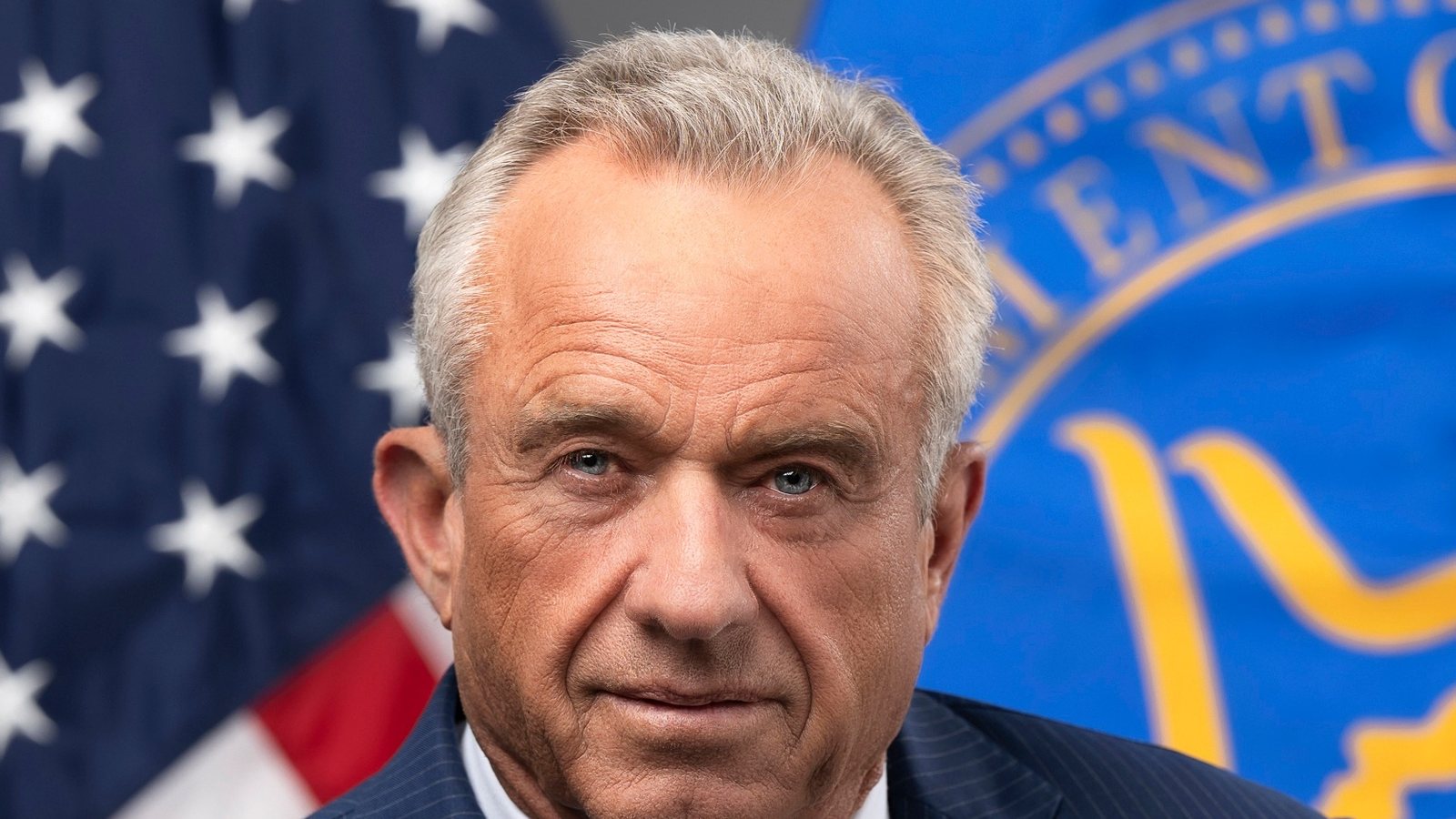
Health Secretary Robert F. Kennedy Jr. has opened a path for compounding pharmacies to make six popular peptides that the FDA has never approved: BPC-157, TB-500, KPV, MOTS-c, Semax and Epitalon. In a notice filed with the Federal Register on October 28, HHS says it “does not intend to take enforcement action” against licensed pharmacies and physicians compounding these peptides.
The change matters to anyone who has seen these peptides promoted online for healing, sleep, metabolism or longevity. Until now, buyers mostly found them as gray-market vials. The policy gives patients a pharmacy route, but it does not turn the peptides into approved drugs or settle whether they work.
What “enforcement discretion” does and does not do
Enforcement discretion is a promise not to act, not a change in the law. NPR reported that the policy leaves the peptides’ legal status as it was. HHS is simply choosing not to penalize certain compounders while the FDA works on its formal list of ingredients pharmacies may use, known as the 503A bulks list.
The HHS notice is short and hedged. It calls the policy “interim” and says HHS may revisit it if “a safety signal or product quality issue arises.” It also says the policy “does not establish any rights for any person and is not binding on HHS or the public.”
The notice covers state-licensed pharmacies, federal facilities and licensed physicians. It reminds readers that compounded drugs are not FDA-approved, so the agency does not check their safety, effectiveness or quality before sale. HHS justified the move by pointing to “significant interest” in these peptides and the lack of approved products.
The policy targets small 503A pharmacies, which mix drugs for individual patients. According to NPR, it does not extend to the larger 503B outsourcing facilities that make medicines in volume.
That limit could keep supply tight. Joshua Fritzler, president of Olympia and Wesley Pharmaceuticals in central Florida, told NPR his company will likely make only one of the six. “I don’t think all the [503]As in the country could meet the demand,” he said.
An advisory panel overruled FDA staff in July
The peptides reached this point after a July 23-24 meeting of the FDA’s Pharmacy Compounding Advisory Committee. FDA staff recommended against adding any of the seven peptides under review. The panel backed six of them anyway and rejected only Emideltide, a sleep-related peptide, NPR reported in July.
The margins were narrow. The BPC-157 vote was 8-6 with one abstention, according to Good Morning America.
HHS appointed eight new members before the meeting, and most had ties to the peptide industry, NPR reported. An HHS spokesperson told NPR that all of them went through the standard ethics and vetting process.
Panel members split on the evidence. “I think it’s about patient access,” said panel member Dr. Asare Christian, who runs a Pennsylvania clinic that advertises peptide protocols, according to NPR.
Dr. Elizabeth Rebello of MD Anderson Cancer Center voted no. “I’m concerned that we are responding to market induced demand rather than a decision based in solid science,” she said.
What the FDA’s reviewers found on each peptide
We read the FDA’s briefing documents for all six peptides, posted on the agency’s meeting page. Each one ends with the same recommendation: keep the peptide off the list. This is what the agency found on each peptide’s proposed use.
| Peptide | Use FDA evaluated | What FDA’s review found |
|---|---|---|
| BPC-157 | Ulcerative colitis | One small trial, described only in a meeting abstract. No human studies by mouth, injection, nasal spray or skin. Not approved in any country |
| TB-500 | Wound healing | No information on use in people for any condition, and no animal toxicity studies |
| KPV | Wound healing, inflammation | No information on use in humans by any route |
| MOTS-c | Obesity, osteoporosis | Studies limited to cells and rodents, with no human data. On the prohibited list of the World Anti-Doping Agency |
| Semax | Cerebral ischemia (reduced blood flow to the brain), migraine, facial nerve pain | A registered drug in Russia, as nasal drops. Two small references, which FDA said showed a lack of effectiveness |
| Epitalon | Insomnia | No studies in insomnia patients and no human safety data |
Several reviews raised specific safety concerns. For BPC-157, TB-500 and Semax, FDA scientists warned that injected peptides may trigger an immune reaction. Impurities or clumping of the peptide could make that worse, they wrote.
The Semax review noted possible anti-clotting effects, which FDA said raise a bleeding risk for some patients. The Epitalon review cited studies showing the peptide lengthens telomeres, the protective caps on chromosomes. The FDA said that gives epitalon the potential to cause cancer, because longer telomeres generally carry a higher cancer risk.
Why HHS says pharmacies beat the gray market
The administration’s main argument is about where people already buy these products. NPR reported that the policy calls compounding a safer alternative to illicit “research-use-only” peptides sold online, often from overseas suppliers. Kennedy, who has said he has used some peptides himself, has made a similar case before.
The compounding industry agrees. Scott Brunner, CEO of the Alliance for Pharmacy Compounding, said in a statement quoted by NPR that the policy offers a “more accountable alternative.” He said it “brings patients into a system where pharmacy standards, regulatory oversight, and serious adverse event reporting apply.”
Brunner also warned that patients may have to wait. Ingredient suppliers must show their raw materials meet the policy’s requirements, and pharmacies must check that, he told NPR.
Companies are lining up. Hims & Hers and Noom have announced plans to offer peptides if federal access eased, the Associated Press reported on October 15. Wall Street analysts put the market at $2 billion to $3 billion, the AP said.
Interest reaches well beyond wellness clinics. Doctors have warned about teenagers using unapproved peptides such as BPC-157 as part of the looksmaxxing trend. The approval route looks very different. Eli Lilly’s experimental weight-loss injection retatrutide, for example, went through a Phase 3 trial with more than 2,300 adults.
Critics say Kennedy went around the FDA
Consumer and pharmacy safety groups say the policy skips the normal process. Public Citizen noted that Kennedy appears to have acted on his own rather than through rulemaking, NPR reported.
“By allowing unproven and potentially unsafe peptides to be manufactured, marketed and prescribed without concern about potential federal enforcement actions, Kennedy has undermined the FDA and threatened public health,” Dr. Robert Steinbrook said in a statement quoted by NPR. He directs Public Citizen’s Health Research Group and urged clinicians to tell patients about the risk of contamination and other side effects.
The Partnership for Safe Medicines includes pharmacy organizations. The week before the policy, it filed a citizen petition asking the FDA to reject the July panel vote. Its executive director, Shabbir Safdar, said the decision “leaves Americans in a grey area as to whether peptides are safe or not.”
Public comments open as the notice is published
The Federal Register will publish the policy on October 30, under docket HHS-OASH-2026-0496. Comments are open on regulations.gov for two weeks after that, which would run to about November 13.
The bigger decision is still ahead. The notice says future FDA rulemakings “may propose adding some or all of these peptides” to the 503A bulks list. NPR reported in July that the same advisory panel plans to meet again in February to consider more peptides.