
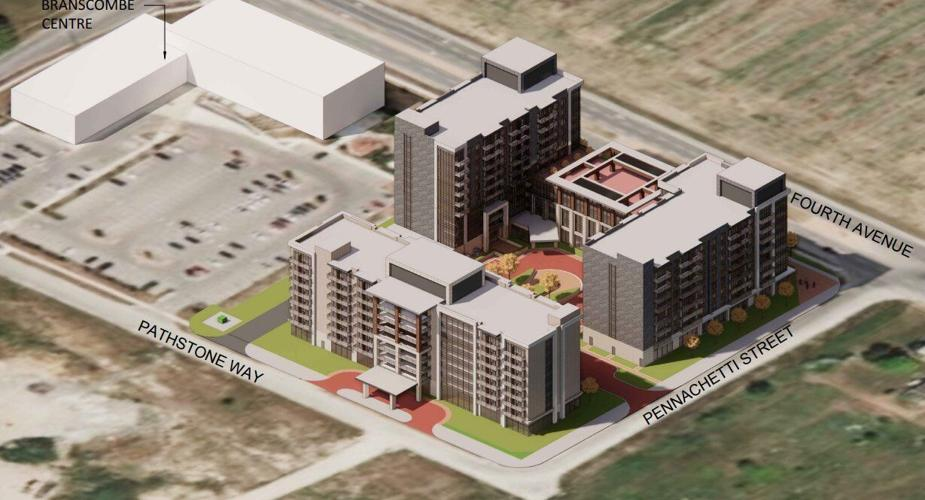
“This isn’t your grandma’s nursing home” may sound like marketing copy — but in Wisconsin, it’s also a blueprint. A $40 million “dementia village” is set to break ground this spring near Madison, aiming to redefine how Americans experience memory care. The project, developed by Agrace, will replace institutional hallways with homes, storefronts and green space — all within a secure campus designed for people living with dementia.
If successful, it could mark a turning point in how the U.S. approaches long-term dementia care.
What Is the Wisconsin Dementia Village?
The campus will be built in Fitchburg, just outside Madison, and is scheduled to open in September 2027.
Unlike traditional nursing homes, the development will feature:
- Eight residential households
- Private bedrooms
- Shared kitchens and living rooms
- Warm, non-clinical interiors
Each household will accommodate eight residents grouped by similar interests and life experiences. The idea: foster familiarity and social bonding, not just supervision.
Beyond housing, the campus will include:
- A restaurant
- A spa
- A grocery store
- Small shops
- A movie theater
- Parks and gardens
Residents can move freely within the secured village — a key departure from locked memory care wards.
How Is This Different From a Traditional Nursing Home?
Small-Scale Living Instead of Institutional Design
Traditional nursing homes often center around efficiency: shared rooms, centralized nursing stations, and long corridors.
The dementia village model flips that script.
Homes are intentionally designed to look and feel residential. Kitchens aren’t decorative; residents may participate in cooking or household routines, reinforcing autonomy and normalcy.
Built-In Community
Social isolation accelerates cognitive decline. In many facilities, structured activities are scheduled, but residents may still feel disconnected.
The village approach embeds community into daily life. A walk to the grocery store or a shared movie night becomes part of the therapeutic environment.
On-Site Caregivers
Agrace plans for specially trained caregivers to live on campus in private studio apartments.
This model serves two purposes:
- Strengthen relationship-based care.
- Help address staffing shortages in long-term care.
Given the nationwide shortage of skilled nursing staff, this structural approach could become a recruitment advantage.
Where Did the Dementia Village Concept Come From?
While this will be the first dementia village of its kind in the U.S., the idea is not new.
The model draws inspiration from Hogeweyk in the Netherlands, founded by Eloy van Hal in 2009.
Hogeweyk transformed memory care by designing a self-contained neighborhood where residents live in themed homes reflecting different lifestyles — urban, cultural, traditional — based on personal background.
Since its debut, the concept has spread across Europe, Australia, China, and Canada.
Van Hal has said residents in the village model maintain stronger physical, socia,l and emotional health for longer periods compared to those in conventional institutions.
Why Does the U.S. Need a New Dementia Care Model?
Dementia rates are rising rapidly.
In the U.S.:
- Roughly 6 million Americans currently live with dementia.
- About 500,000 new diagnoses occur annually.
- That number is projected to reach 1 million per year by 2060 as the population ages.
At the same time, research shows many dementia patients experience:
- Fragmented care
- Frequent hospitalizations
- Limited social engagement
- High caregiver burnout among family members
Agrace CEO Lynne Sexten has described the current U.S. trajectory as a “precipitous decline” in quality of life following diagnosis.
The dementia village model attempts to interrupt that pattern by prioritizing autonomy, familiarity, and meaningful daily activity.
What Will It Cost and Who Can Afford It?
Agrace has not released final pricing.
The organization says:
- Families will pay monthly room-and-board rates comparable to assisted living.
- Medical care may be billed to insurance.
- A sliding fee scale supported by Agrace’s endowment will help those who cannot afford the full cost.
Affordability remains a critical question.
Long-term memory care in the U.S. often exceeds $6,000–$8,000 per month, depending on location. Whether the village model remains financially accessible or becomes a premium niche will shape its long-term impact.
An effective addition here would be a cost comparison chart:
- Traditional assisted living
- Memory care units
- Skilled nursing facilities
- Dementia village pricing (when available)
Will It Actually Improve Outcomes?
Supporters argue that the village model can:
- Reduce agitation and behavioral symptoms
- Lower reliance on antipsychotic medications
- Improve physical mobility
- Increase social engagement
However, outcomes depend on staffing quality, programming, and long-term funding stability.
While European studies have suggested improved well-being metrics, U.S.-specific research is still limited. Editors should seek peer-reviewed studies evaluating Hogeweyk or similar communities to ground claims in evidence.
What Happens Next?
Agrace plans to break ground this spring on its Fitchburg campus.
When completed in 2027, the village is expected to house:
- Up to 65 full-time residents
- 40 to 50 “Day Club” members, adults with dementia who live at home but participate in daily programming
If successful, the project could serve as a prototype for other U.S. states grappling with aging populations.
The Bigger Question: Are We Ready to Rethink Aging?
For decades, U.S. long-term care facilities have prioritized safety and medical oversight, sometimes at the expense of autonomy and community.
The dementia village model asks a different question:
What if safety and dignity could coexist?
If Wisconsin’s experiment succeeds, it may not just change how dementia is managed; it could reshape how the country thinks about aging itself.
TL;DR
- Wisconsin will build the first U.S. dementia village near Madison.
- The $40 million campus is designed to feel like a neighborhood, not a nursing home.
- Inspired by the Netherlands’ Hogeweyk model.
- Will house 65 residents plus Day Club members.
- Aims to preserve autonomy and social connection as dementia progresses.
- Opens September 2027.