
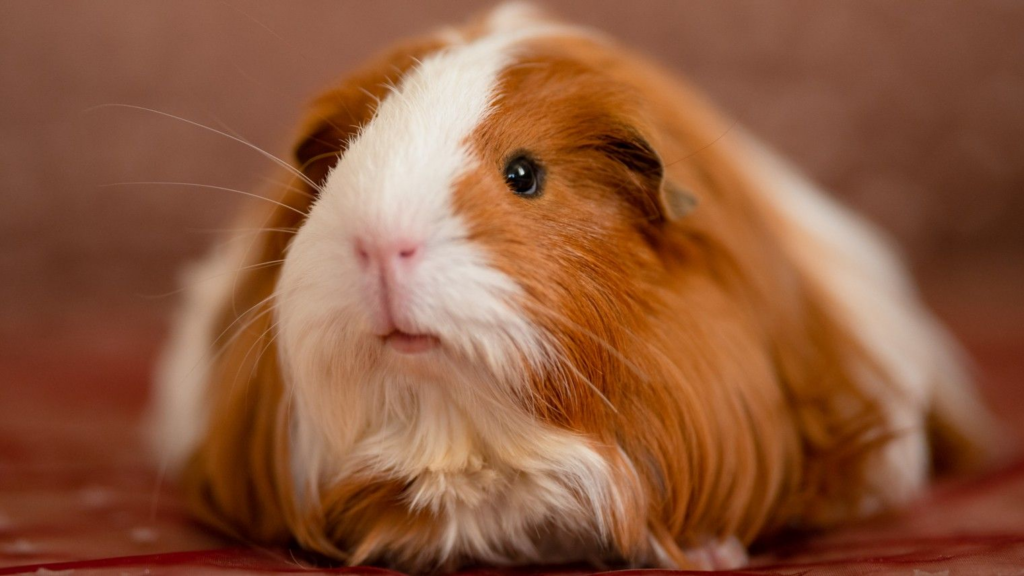
A couple in Wales has received permission to raise guinea pigs, rabbits and pigeons for meat as part of an ambitious plan to live sustainably on their own land, drawing attention for an unusual approach to self-sufficient living.
Dave and Mayu Phillips say the project is part of their commitment to reducing their environmental footprint through Wales’ “One Planet Development” policy, which supports low-impact, sustainable lifestyles.
Why is the couple raising guinea pigs for food?
The couple plans to build an eco-home in rural Pembrokeshire and produce much of their own food by raising small-scale livestock.
Their approved plans include breeding:
- Guinea pigs
- Rabbits
- Pigeons
The proposal attracted attention during a Pembrokeshire County Council meeting, where Councillor Mark Carter questioned the inclusion of guinea pigs as a food source.
Responding to the query, Dave Phillips explained that the animals are not pet guinea pigs but a variety specifically bred for meat.
“It’s just like a big rabbit, and we’ve got experience for years now, we’ve bred them,” Phillips told the council.
What is Wales’ One Planet Development policy?
The couple’s proposal falls under Wales‘ One Planet Development (OPD) planning policy, which encourages environmentally sustainable living.
The policy allows people to build homes and work on land that would not normally qualify for residential development, provided they can demonstrate a low-impact lifestyle and meet strict sustainability requirements.
Supporters view the initiative as a way to reduce carbon emissions, encourage self-sufficiency and promote responsible land use.
Phillips said his family has lived in Pembrokeshire for generations and described the project as a way to contribute to the area’s future.
“My wife and I are very deeply passionate about the One Planet movement and the principles behind the One Planet development,” he said.
Are guinea pigs eaten in other parts of the world?
While the idea may seem unusual in the UK, guinea pigs have long been raised for food in several South American countries, particularly Peru, Ecuador and Bolivia.
Known as “cuy,” guinea pig meat has been part of Andean cuisine for centuries and remains a traditional dish served during festivals and family gatherings.
The animals are valued because they:
- Require relatively little space
- Reproduce quickly
- Consume modest amounts of feed
- Produce a smaller environmental footprint than larger livestock
Why do the couple believe this is more sustainable?
Phillips argued that reducing dependence on industrial food systems is essential as the world confronts climate change.
He said humanity needs to rethink how it consumes resources.
“Today humanity is living as if we’ve got several more planet Earths just waiting in the wings… the reality is we only have one planet,” he said.
According to the couple, raising their own food, generating less waste and living closer to the land are practical steps toward a more sustainable future.
Debate over sustainable food choices
The proposal has sparked discussion online, with some people praising the couple’s commitment to sustainable living while others expressed discomfort over raising guinea pigs for meat because they are commonly kept as pets in many countries.
The case highlights how cultural attitudes toward food vary widely around the world, even as interest in environmentally sustainable lifestyles continues to grow.