

Clean Air Shouldn’t Be a Luxury
As air quality alerts become a near-daily occurrence across major cities, from New Delhi to Los Angeles, demand for affordable, effective air purification has skyrocketed. But not everyone can afford a $400 HEPA unit. That’s where DIY air purifiers come in.
Whether you’re dealing with wildfire smoke, urban smog, or seasonal allergens, these homemade solutions are surprisingly effective, widely shared online, and accessible to nearly everyone.
1. The Corsi-Rosenthal Box: The Gold Standard in DIY Filtration
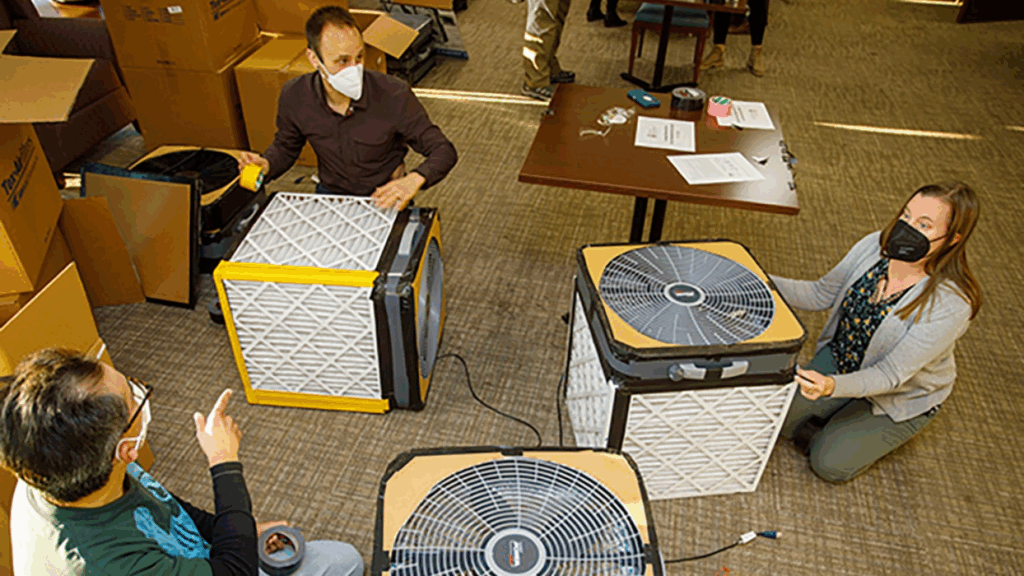
This design became a viral sensation in 2023, but its popularity surged again in 2025 due to rising wildfires in the U.S. West. It uses four MERV-13 HVAC filters taped into a cube with a box fan on top. The fan pulls dirty air through the filters, delivering clean airflow throughout the room.
Why it works: It’s proven in lab tests to rival commercial HEPA units for a fraction of the cost.
2. Budget Option: Single Filter + Box Fan Hack
No time or money for the full box build? Tape a single MERV-13 or MERV-14 filter to the intake side of a box fan. It won’t be as thorough as a Corsi-Rosenthal box, but it still filters large particulates like smoke and pollen.
Pro Tip: Seal the edges with duct tape to prevent airflow leaks.
3. Activated Charcoal in a Shoebox
Place a layer of activated carbon granules in a shoebox and cut slits on the sides. Insert a small computer fan or USB fan into the top to circulate air through the charcoal, which absorbs VOCs and odors.
Why it’s useful: Especially good for cooking smells, pet odors, or chemical pollutants in smaller rooms.
4. Houseplants: Only the Right Ones Count
Some plants, like peace lilies and snake plants, are believed to reduce indoor pollutants slightly. While not a primary solution, placing several in a well-lit room with ventilation can support other DIY systems.
Important: Don’t rely on plants alone for wildfire smoke or urban PM2.5 protection.
5. DIY Filter Masks Using Vacuum Bags
While not a room purifier, masks are essential during smoke events. Use clean, HEPA-grade vacuum bags as filter inserts in cloth masks. Staple or sew layers together for a better fit and coverage.
Why it matters: Helps protect individuals on the go, especially during smoke days or in high-pollution cities
What Makes DIY Air Purifiers Worth It?
- Affordable and effective for most households
- Modular — can be scaled up or down by room size
- Backed by increasing lab data and user reviews
- Takes 15–30 minutes to build
TL;DR
DIY air purifiers aren’t just clever, they’re lifesaving. With pollution and wildfire smoke on the rise in 2025, these budget-friendly builds offer clean air for everyone, not just those who can afford high-end machines.


