What Stanford’s new research reveals about the right amount of indoor nature
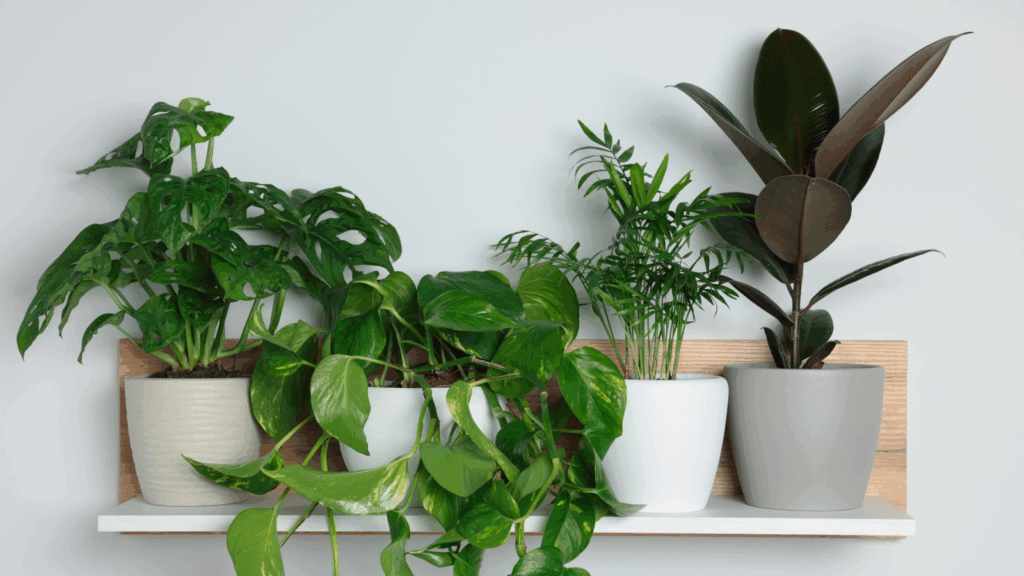
A new study from Stanford University challenges the long-held belief that “more greenery equals more calm.” While many people bring plants and wooden elements into their homes and offices to feel closer to nature, the research suggests there’s a tipping point; too much nature indoors may actually increase stress instead of relieving it.
Using advanced 3D simulations and a new measurement tool called Nature View Potential, the research team explored how different levels of plants and natural materials impact human well-being. Their findings could change how architects, interior designers, and even homeowners think about biophilic design, the concept of integrating nature into built environments.
How the Stanford study measured stress and indoor nature
To understand the psychological impact of “indoor nature,” Stanford researchers created 11 virtual conference rooms with varying amounts of plants, wooden surfaces, and outdoor views.
A total of 412 participants were asked to imagine each space as their new workplace. While in these virtual rooms, they performed mildly stressful tasks such as solving complex word puzzles or counting backward from 1,022 by 13, exercises known to induce low-level cognitive stress.
The research team then tracked how participants felt in different environments. The twist? Stress levels were highest when around 60% of the room was filled with plants and wood, far more than expected.
“The results were surprising,” said Eva Bianchi, a civil engineer and study author. “Participants reported feeling more relaxed in rooms with moderate natural elements but more overwhelmed as the amount of greenery increased.”
Why too much indoor nature can backfire
The finding that excessive greenery can heighten stress may seem counterintuitive. After all, decades of research have shown that natural elements can:
- Lower blood pressure and heart rate
- Improve focus and creativity
- Boost mood and social connection
However, as Professor Sarah Billington, another study author, explained, most earlier studies simply compared rooms with and without plants, not varying degrees of natural design. The Stanford team’s use of precise visual quantification provides a more nuanced understanding.
So why might too much nature overwhelm us?
- Visual clutter: An abundance of plants and textures can overstimulate the visual field, making spaces feel chaotic.
- Perceived confinement: Dense greenery indoors may subconsciously signal overgrowth or lack of openness.
- Mismatch of context: Humans may expect dense nature outdoors, not within a workspace, creating cognitive dissonance.
What “Nature View Potential” means for design and well-being
The Nature View Potential (NVP) software developed by the Stanford team could reshape how we design workplaces, schools, and homes. Unlike traditional methods that simply count plants, NVP measures the percentage of visible natural material, plants, wood, stone, or outdoor scenery from a person’s viewpoint in a room.
This metric could allow designers to:
- Quantify balance: Ensure nature feels integrated, not overwhelming.
- Customize spaces: Tailor designs for individual preferences or work styles.
- Reduce stress strategically: Identify the visual “sweet spot” where natural elements enhance calm without distraction.
How this study fits into broader research on biophilic design
The idea of bringing nature indoors, known as biophilic design, has gained global traction, from Google’s living walls to Amazon’s “Spheres” in Seattle. Yet, Stanford’s research reminds us that biophilia isn’t one-size-fits-all.
Earlier studies from Harvard’s Center for Health and the Global Environment and the University of Exeter found that even a few plants in an office improved job satisfaction and productivity. But this new study suggests that balance, not abundance, is the key.
For example:
- Low exposure (0–10%): Spaces may feel sterile and disconnected.
- Moderate exposure (30–40%): Promotes relaxation and alertness.
- High exposure (60%+): Can lead to overstimulation and mental fatigue.
This bell-shaped relationship may explain why minimalist interiors with a touch of greenery often feel calming, while heavily “green” interiors sometimes feel suffocating.
Why it matters for workplaces, homes, and mental health
With remote work and hybrid models redefining where we spend our time, understanding how our environment influences stress is more important than ever. The average person spends over 90% of their day indoors, according to the EPA.
For office designers, this research suggests a clear takeaway: Use nature intentionally, not excessively. Even a few potted plants, wooden surfaces, and a view of trees through a window can boost calm and focus, but overdesigning with greenery may do the opposite.
What’s next for research on indoor nature
The Stanford team plans to expand their research using real-world environments rather than virtual simulations. They aim to explore whether cultural differences or personality traits affect how much nature people find soothing indoors.
This evolving field could also intersect with AI-driven interior design, where software tools like Nature View Potential are integrated into smart home systems to optimize lighting, color, and greenery balance for mental well-being.
TL;DR
- Too many plants indoors can increase stress, says new Stanford research.
- Moderate exposure (30–40%) to natural materials creates the calmest, most balanced environment.
- The Nature View Potential tool helps quantify visible nature in indoor spaces.
- Implication: Architects and homeowners should design for balance, not abundance, when bringing nature indoors.