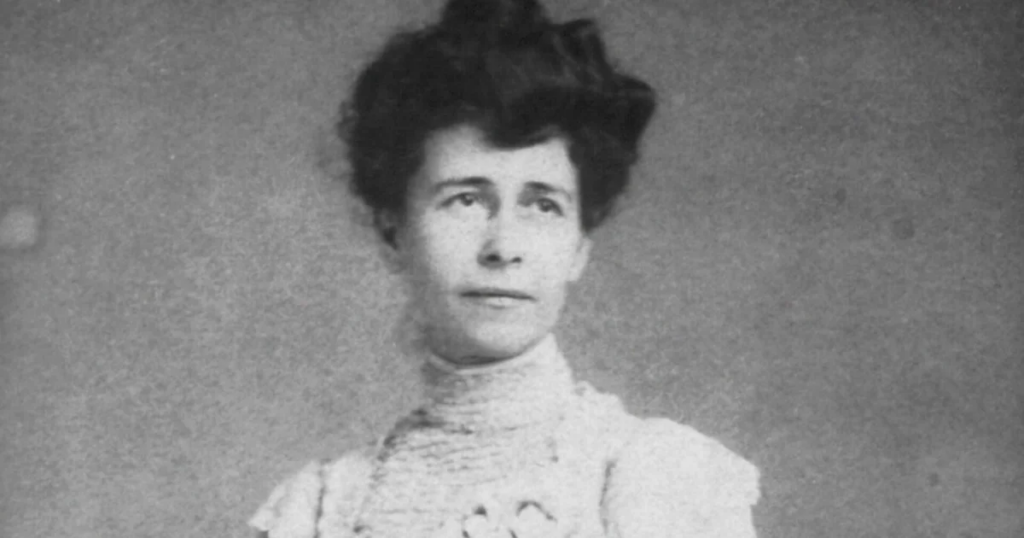
Every year, families across the United States celebrate Mother’s Day with flowers, cards, and brunch reservations. But the story behind the holiday is far more complicated—and more ironic—than most people realize.
The woman who created Mother’s Day, Anna Jarvis, spent much of her later life fighting against the very holiday she helped establish. Her story is less about celebration and more about a battle over meaning, memory, and commercialization.
Who was Anna Jarvis?
Early life and inspiration
Anna Jarvis was born in 1864 in West Virginia, the ninth of eleven children. Her inspiration came from her mother, Ann Reeves Jarvis, a community organizer and Sunday school teacher.
Ann Jarvis founded “Mothers’ Day Work Clubs” in the 19th century—initiatives focused on:
- Improving sanitation in Appalachian communities
- Teaching mothers how to care for children
- Reducing infant mortality
These efforts left a lasting impression on Anna, shaping her vision for a day that would honor mothers not just emotionally, but socially.
A daughter’s tribute
After her mother’s death in 1905, Anna Jarvis set out to create a national day of remembrance. Her goal was simple: a personal, heartfelt tribute to mothers and their sacrifices.
In 1908, she organized the first official Mother’s Day service at a Methodist church in Grafton, West Virginia. White carnations—her mother’s favorite flower—became the symbol of the day.
How did Mother’s Day become a national holiday?
Anna Jarvis didn’t just create a tradition—she led a campaign.
From local observance to national recognition
Her efforts quickly gained traction through:
- Letter-writing campaigns
- Partnerships with churches and civic groups
- Public advocacy for a national holiday
In 1914, Woodrow Wilson signed a proclamation officially recognizing Mother’s Day as a national holiday, to be observed on the second Sunday of May.
What Jarvis originally wanted
Jarvis envisioned a quiet, reflective day centered on:
- Handwritten letters
- Personal gratitude
- Family connection
Notably, she emphasized the singular possessive form: “Mother’s Day,” meaning each family should honor its own mother—not celebrate mothers in general.
Why did Anna Jarvis turn against Mother’s Day?
This is where the story takes a sharp turn.
The rise of commercialization
As the holiday gained popularity, businesses quickly saw opportunity. Florists, greeting card companies, and retailers began promoting Mother’s Day as a commercial event.
Jarvis was outraged.
She believed:
- Selling cards replaced genuine emotion with convenience
- Buying gifts undermined the day’s sincerity
- Businesses were exploiting a sacred idea for profit
She famously referred to commercial players as “trade vandals.”
Legal battles and protests
Jarvis didn’t just complain—she took action.
- Filed lawsuits to protect the holiday’s integrity
- Protested Mother’s Day events she saw as commercialized
- Publicly criticized companies profiting from the day
In a striking irony, the founder of Mother’s Day spent years trying to have it rescinded.
The personal cost of her fight
Anna Jarvis’s campaign came at a steep price.
A life of sacrifice
- She spent her personal fortune on legal battles and activism
- Never married and had no children
- Became increasingly isolated in later years
A tragic ending
Jarvis died in 1948 in a Pennsylvania sanitarium, largely penniless.
Some accounts suggest that a florist—ironically—helped cover her medical expenses.
Her legacy is one of conviction, but also contradiction: she created one of the most celebrated holidays in the world, yet lived to regret its evolution.
What does Mother’s Day mean today?
Despite Jarvis’s objections, Mother’s Day has become a global tradition.
How it’s celebrated now
Modern celebrations often include:
- Flowers and gifts
- Greeting cards
- Family meals or outings
While these may differ from Jarvis’s vision, they still reflect a shared intention: expressing gratitude.
The broader significance
Mother’s Day now honors:
- Mothers and maternal figures
- Caregivers and guardians
- The role of nurturing in society
It recognizes the emotional and social contributions of those who raise and support others.
Why Anna Jarvis’s story still matters
Jarvis’s story raises a question that feels especially relevant today: can meaningful traditions survive commercialization?
A tension that persists
Her concerns echo in modern debates about:
- Consumer culture
- Authenticity vs convenience
- The commercialization of holidays
A reminder of original intent
At its core, Mother’s Day was meant to be:
- Personal, not performative
- Emotional, not transactional
- Reflective, not commercial
Whether or not people follow that vision, understanding it adds depth to how the day is observed.
TL;DR
- Anna Jarvis founded Mother’s Day to honor her mother’s legacy
- It became a US national holiday in 1914
- She opposed its commercialization and fought against it
- Spent her fortune trying to protect its meaning
- Died in poverty, disillusioned with the holiday she created