
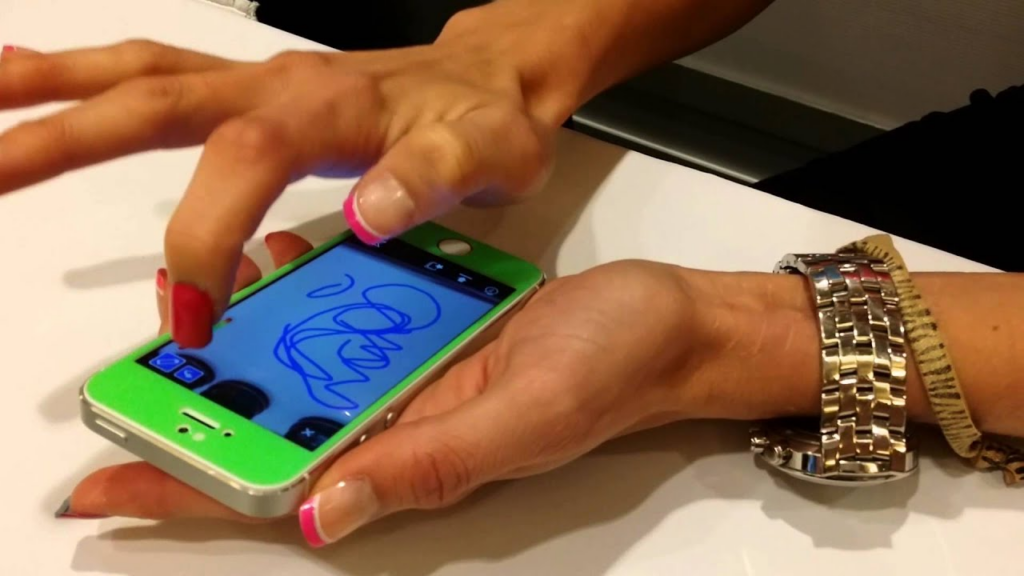
For anyone with long nails, using a smartphone can feel like a daily workaround. Instead of tapping naturally, you angle your fingers, use your knuckles, or rely on trial and error just to send a message.
Now, a new idea from researchers at Centenary College of Louisiana could change that. A clear, touchscreen-compatible nail polish is being developed to turn long nails into functional styluses, without sacrificing aesthetics.
The concept is simple. The science behind it is not.
What Is Touchscreen Nail Polish?
Touchscreen nail polish is a specially formulated coating designed to make fingernails conductive—allowing them to interact with capacitive screens just like skin.
The innovation was recently presented at the American Chemical Society Spring 2026 Meeting, one of the largest global gatherings of chemists, where researchers showcase emerging technologies across industries.
Why This Matters
This isn’t just about convenience. It addresses a real usability gap in everyday technology:
- Millions of people wear long nails regularly
- Smartphones are designed primarily for fingertip interaction
- Current workarounds are inefficient or uncomfortable
A simple cosmetic solution could bridge that gap.
How Do Touchscreens Work—and Why Nails Don’t?
To understand the breakthrough, you need to understand the limitation.
Most modern smartphones use capacitive touchscreen technology, which relies on the electrical properties of your body.
The Basics of Capacitive Touch
Capacitive screens:
- Create a low-level electric field across the display
- Detect changes when a conductive object (like your finger) touches the screen
- Register that disruption as input (tap, swipe, etc.)
Why Fingernails Fail
Fingernails:
- Are made of keratin (a non-conductive material)
- Do not carry an electrical charge
- Cannot disrupt the screen’s electric field
Result: No response.
That’s why even objects like pencil erasers—or perfectly polished nails—don’t work.
The Science Behind Conductive Nail Polish
The research team, led by undergraduate student Manasi Desai and advisor Joshua Lawrence, approached the problem through chemistry—not hardware.
Their goal: create a transparent, safe, conductive coating.
The Core Challenge
To make nails touchscreen-friendly, the polish must:
- Conduct a small electrical charge
- Remain clear and cosmetically appealing
- Be safe for everyday use and manufacturing
That’s a difficult balance.
Why Previous Solutions Fell Short
Earlier attempts at conductive nail polish weren’t practical for mainstream use.
Materials Used Before
- Carbon nanotubes
- Metal particles
While effective, these materials come with trade-offs:
- Safety risks during production (especially inhalation hazards)
- Dark or metallic finishes, limiting cosmetic appeal
- Higher cost and complexity
In short, they worked—but didn’t fit the beauty industry.
What Makes This New Approach Different?
The current research focuses on acid-base chemistry to create conductivity without relying on heavy or hazardous materials.
Key Advantages
- Clear finish: Maintains the look of natural or polished nails
- Safer formulation: Avoids toxic or industrial-grade additives
- User-friendly: Designed for everyday wear, not lab conditions
This combination is what makes the innovation promising—not just functional, but market-ready.
Real-World Use Cases
This isn’t just a niche beauty-tech crossover. The applications are broader than they seem.
Everyday Convenience
- Texting and typing without awkward finger angles
- Easier scrolling on social media
- Improved accuracy for touchscreen input
Professional Settings
The idea reportedly gained traction after researchers spoke with a phlebotomist who struggled with device usage during work.
Other professionals who could benefit:
- Healthcare workers
- Retail employees using POS systems
- Beauty professionals managing bookings on devices
Accessibility Angle
For some users, especially those with mobility limitations, alternative touch methods can improve device interaction significantly.
What Challenges Still Remain?
While promising, the product is still in development.
Key Questions Before Commercialisation
- Durability: Will the conductive effect last through daily wear?
- Consistency: Will all nails register input equally?
- Compatibility: Will it work across all devices and screen types?
- Affordability: Can it compete with regular nail polish pricing?
These factors will determine whether the idea becomes a mainstream product or remains a niche innovation.
Why This Innovation Signals a Bigger Trend
This development sits at the intersection of beauty, chemistry, and consumer tech—a space that’s growing rapidly.
The Rise of Functional Beauty
Consumers increasingly expect products to do more than look good.
Examples include:
- Skincare with medical-grade ingredients
- Hair products with heat protection technology
- Wearables blending fashion and function
Touchscreen nail polish fits neatly into this trend.
What Comes Next?
The presentation at the American Chemical Society is just the first step.
Likely Next Phases
- Refining the chemical formulation
- Expanding testing across devices
- Partnering with cosmetic manufacturers
- Regulatory and safety approvals
If successful, the product could enter the market within a few years.