
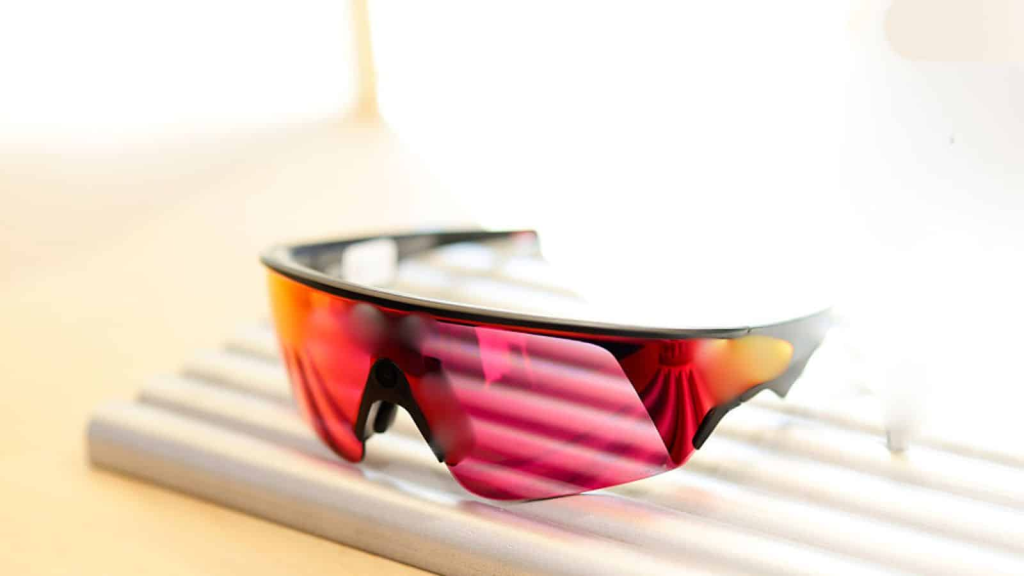
The Indian Premier League has long embraced technology, from ultra-motion cameras to real-time analytics. But ahead of IPL 2026, the Board of Control for Cricket in India (BCCI) has drawn a hard line on one category of consumer tech: smart glasses.
In a fresh anti-corruption directive issued through the league’s Anti-Corruption Unit (ACSU), the BCCI has banned players and match officials from using or carrying smart sunglasses and smart eyewear inside designated match zones. The board says the devices pose a serious integrity risk because they can livestream video, send messages, and place calls over Wi-Fi or mobile data networks.
The move signals how seriously cricket’s governing bodies now view wearable technology, not as a convenience gadget, but as a potential loophole in sports security.
Why Has the BCCI Banned Smart Glasses in IPL 2026?
The IPL 2026 smart glasses ban centers on one issue: unauthorized communication.
According to the BCCI advisory circulated to franchises and officials, modern smart eyewear can perform many of the same functions as a smartphone, including
- Live video streaming
- Audio and video calling
- Sending and receiving text messages
- Wireless internet connectivity
- Real-time recording capabilities
The BCCI classified the devices as both:
- “Communication Devices”
- “Audio/Video Recording Devices”
Under the league’s PMOA (Players and Match Officials Area) Minimum Standards, both categories are tightly restricted.
The board’s message to teams was direct: smart goggles and smart sunglasses are no longer allowed inside secure cricket operations zones.
The Bigger Concern: Match Integrity
This is not really about sunglasses.
The BCCI’s concern is whether hidden or wearable technology could be used to bypass anti-corruption safeguards that already apply to phones, smartwatches, and other connected devices.
Cricket has spent decades battling betting scandals, illegal information sharing, and match-fixing concerns. Even seemingly harmless communication devices can create vulnerabilities if used inside dressing rooms, dugouts, or strategy meetings.
Smart eyewear poses a unique challenge because the technology is less visible than that of a phone.
A pair of glasses capable of recording video or transmitting live audio could potentially:
- Capture team strategy discussions
- Relay pitch or injury information in real time
- Circumvent device checks
- Record restricted match operations
That risk appears to be the main driver behind the IPL 2026 crackdown.
What Exactly Counts as “Smart Glasses”?
The advisory did not mention specific brands, but the category generally includes wearable eyewear equipped with:
- Cameras
- Microphones
- Bluetooth or Wi-Fi connectivity
- Voice assistants
- Augmented reality displays
Devices similar to:
- Meta Ray-Ban smart glasses
- Snapchat Spectacles
- AR-enabled sports eyewear
- AI-powered recording glasses
have become increasingly common globally.
Some models can discreetly capture video with voice commands, while others support hands-free calls and livestreaming. Those capabilities likely triggered concern within the BCCI’s anti-corruption framework.
How Will the IPL Enforce the Ban?
The BCCI has instructed players and support staff to deposit smart glasses before entering restricted areas on match days.
The devices must be handed over to the league’s Security Liaison Officer (SLO), alongside:
- Mobile phones
- Smartwatches
- Other connected electronic devices
Failure to comply could trigger disciplinary action under IPL 2026 regulations.
The league has not publicly detailed penalty structures for smart-glasses violations, but recent enforcement suggests the board is prepared to act aggressively.
The Romi Bhinder Incident Added Pressure
The IPL had already tightened scrutiny around electronic devices earlier this season.
Rajasthan Royals manager Romi Bhinder was fined INR 1 lakh after being seen using a mobile phone in the dugout during a match. The BCCI also issued a formal warning.
While a phone violation and smart-glasses ban are separate matters, the timing suggests the board is taking a broader “zero tolerance” approach toward unauthorized communication inside match zones.
The new directive expands that philosophy from obvious devices to wearable tech.
Why Wearable Tech Is Becoming a Problem in Sports
The IPL is not the first sports league to worry about connected wearables.
Across global sports, leagues are increasingly evaluating:
- Smart rings
- AI-powered earbuds
- Connected watches
- AR glasses
- Biometric tracking devices
The challenge is that modern wearables blur the line between lifestyle accessories and communication tools.
A decade ago, security checks focused mostly on mobile phones. Today, almost any wearable object can potentially transmit data.
That creates new operational headaches for sports administrators trying to preserve competitive integrity.
Cricket’s Unique Vulnerability
Cricket is particularly sensitive to corruption concerns because
- Individual moments can dramatically affect betting markets
- Matches last for hours, creating a constant information flow
- Insider knowledge about pitch conditions or injuries can be valuable
- Spot-fixing scandals have historically damaged the sport’s reputation
For regulators, restricting connected devices is partly about prevention and partly about public trust.
The BCCI Is Tightening Discipline Across IPL 2026
The smart glasses ban is part of a broader push toward stricter operational control during IPL 2026.
Recent measures reportedly include:
- Restrictions on late-night outings
- Increased movement monitoring
- Expanded security oversight
- Tighter device protocols
The message from the BCCI is clear: convenience technology will not outweigh integrity concerns.
As wearable tech becomes more advanced and harder to detect, leagues may continue expanding what counts as prohibited equipment.
Could Other Sports Follow?
That seems increasingly likely.
Professional sports leagues worldwide are already wrestling with questions around:
- AI-assisted wearables
- Real-time communication tools
- Hidden recording devices
- Athlete privacy
- Data security
The IPL’s decision could become a case study for other organizations trying to modernise anti-corruption policies.
If smart eyewear becomes mainstream among athletes and coaching staff, governing bodies across sports may adopt similar restrictions.
TL;DR
The BCCI has banned smart glasses and smart sunglasses inside IPL 2026 match zones due to concerns over hidden communication and recording capabilities.
The board says the devices can:
- Livestream video
- Send messages
- Make calls
- Record audio and video
Players and support staff must now surrender smart eyewear, along with phones and smartwatches, before entering restricted areas.
The move reflects a broader shift in professional sports, where wearable technology is increasingly viewed as a potential integrity and security risk.