What is Denmark proposing to tackle deepfakes?
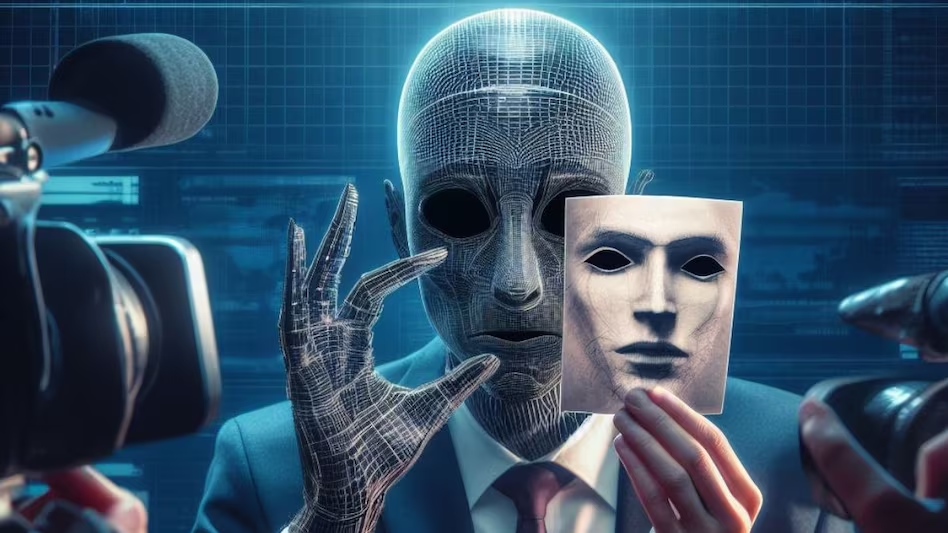
In a bold and unprecedented move, Denmark is pushing to update its copyright law to give citizens legal ownership of their own faces, voices, and bodies—a direct response to the growing threat of AI-generated deepfakes. If passed, the legislation would effectively let individuals “copyright themselves,” giving them the right to demand the removal of unauthorized deepfake content shared online.
Backed by cross-party support, the Danish Ministry of Culture plans to submit the legal amendment soon. The aim? To strengthen personal digital protections in an era where generative AI can replicate human likenesses in seconds, often without consent and with harmful intent.
Culture Minister Jakob Engel-Schmidt made the government’s intent clear, stating, “Everybody has the right to their own body, their own voice and their own facial features.” He added, “Human beings can be run through the digital copy machine and be misused for all sorts of purposes and I’m not willing to accept that.”
How would this law work in practice?
Under the proposed update, individuals in Denmark would gain specific copyright protections over:
- Their facial features
- Their voice
- The unique way they appear in images or videos
This means that if a person’s likeness is used without permission—say, in a manipulated video or AI-generated image — they would have the legal standing to demand its removal from platforms like YouTube, Instagram, or X (formerly Twitter). Online platforms would be legally obligated to comply.
The law wouldn’t ban the technology itself but would target how it’s used—particularly in cases of impersonation, defamation, or harassment. Crucially, the amendment also carves out protections for parody and satire, ensuring that artistic and comedic expression remains legally safe.
Why does this matter now?
Deepfakes have moved from fringe internet curiosities to serious threats in a very short time. With user-friendly AI tools now accessible to nearly anyone with an internet connection, it’s easier than ever to make fake videos or images that appear real, sometimes with devastating consequences.
Some notable examples:
- A 2023 viral image of Pope Francis in a puffer jacket, which fooled millions.
- Deepfakes used in revenge porn or political smear campaigns, often targeting women and marginalized communities.
- The recent case of New Zealand MP Laura McClure, who shocked her country’s parliament by displaying a nude AI-generated deepfake of herself — created in under five minutes — to highlight the ease and danger of such fabrications.
These incidents underline how current laws, which were written long before deepfakes existed, fail to address this new category of digital harm.
How does this compare to other countries’ approaches?
While Denmark would be the first to offer citizens personal copyright over their own likeness, it’s not the only country wrestling with the deepfake dilemma.
- United States: Several states like California and Texas have passed narrow laws banning deepfakes in election campaigns or non-consensual pornography, but there is no overarching federal regulation.
- European Union: The recently passed AI Act includes transparency requirements for synthetic media but stops short of personal copyright protections.
- China: Requires that all AI-generated content be watermarked or labeled as synthetic.
Denmark’s proposal is unique in that it doesn’t regulate the tech — it empowers the individual. Rather than fighting AI with more AI or relying on platform policing, it offers legal self-defense.
What are the possible challenges?
While the proposed law is ethically compelling and politically supported, its real-world enforcement could be tricky:
- Cross-border complications: What happens when deepfake content is created or hosted outside Denmark?
- Platform compliance: Will global platforms adjust their takedown policies for Danish citizens?
- Proof and intent: How will courts or authorities determine that an AI-generated likeness is infringing or harmful?
Legal experts also warn that too broad a definition could unintentionally stifle innovation, especially in entertainment, advertising, or academic research that uses synthetic data for benign or constructive purposes.
What’s next?
The bill is expected to be tabled in the Danish Parliament in the coming months, with backing from both liberal and conservative lawmakers. If passed, it could set a global precedent, inviting other nations to rethink how personal identity is protected in the digital age.
For now, Denmark’s message is clear: The right to your own face and voice shouldn’t be up for grabs in the AI era.
Denmark is proposing a law that would let citizens copyright their face, voice, and body to combat deepfakes. The bill, backed by all major political parties, aims to give people the right to demand takedown of AI-generated content that misuses their likeness without consent. While the law won’t affect satire or parody, it sets a major precedent in the global battle to regulate AI misuse.