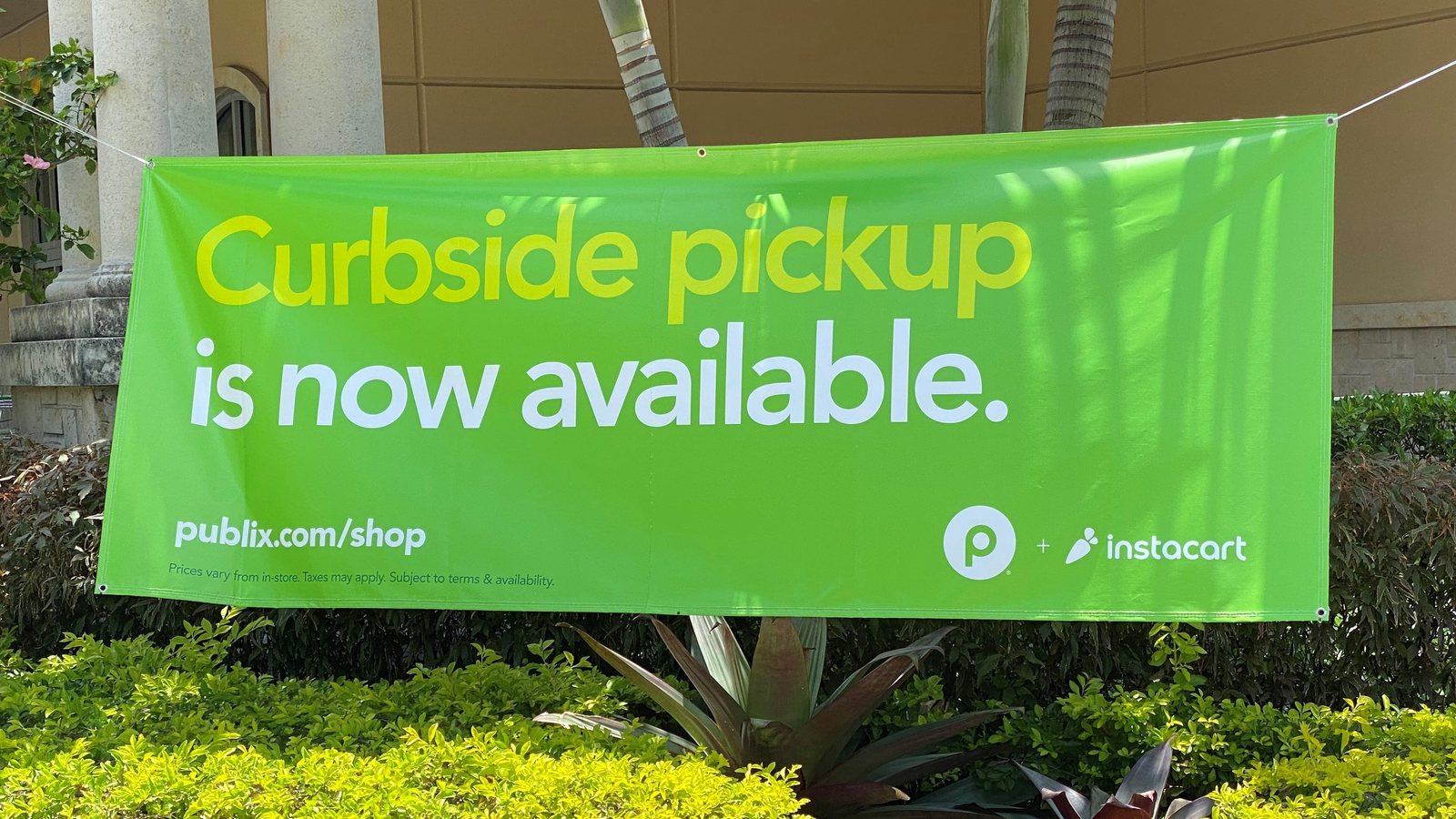
The DoorDash Instacart deal, announced Thursday, values Instacart at about $17 billion, or $65 a share. For shoppers, the headline promise is two memberships for the price of one. DashPass and Instacart+ members would pay one fee instead of two. Instacart users would get more than 50,000 additional stores, according to the companies’ joint announcement.
The catch is timing. The companies expect the deal to close “in the end of 2027 or the first half of 2028,” after an antitrust review. Until then they run as separate businesses, and nothing changes in either app.
What DoorDash promises Instacart and DashPass members
The membership change is the most concrete consumer benefit on offer. DoorDash estimates it would save members about $100 million a year “on membership fees alone.” Both memberships cost $9.99 a month, the Associated Press reported via PBS.
Our rough arithmetic puts that figure in proportion. A dropped $9.99 monthly fee is worth about $120 a year, so $100 million equals roughly 830,000 people paying for both programs month to month. Annual plans and promotions would change the count, and neither company has said how many people hold both.
DoorDash CEO Tony Xu described the bundle on the company’s earnings call the same morning. “For the same price that you pay for DashPass today, you’ll get access to two subscription programs,” he said.
The Instacart name stays. DoorDash “is expected to keep Instacart’s brand, enterprise technology products, and app,” the announcement says. Instacart today lists nearly 100,000 stores from more than 2,200 retail banners.
The pitch to grocers is an open platform with “no grocery exclusivity,” meaning local stores can keep working with any delivery company. Instacart’s shoppers, who are independent contractors, could choose whether to take DoorDash orders or stay with Instacart only. The AP put their number at 600,000.
Why the DoorDash Instacart deal won’t close until 2027 or later
The merger agreement summary DoorDash filed with the SEC lists the hurdles. Instacart stockholders must approve it. Holders of about 19% of the shares, including D1 Capital Partners and Sequoia Capital, have already agreed to vote yes.
The deal also needs the waiting period to expire under the Hart-Scott-Rodino Act. That’s the federal premerger review run by the Federal Trade Commission and the Justice Department. Competition authorities in Canada and Israel must sign off too.
The contract shows how long DoorDash is prepared to wait. Either side can walk away if the deal hasn’t closed within 12 months of the Oct. 28 signing.
But that deadline extends automatically, up to four times by three months each, if antitrust approval is the only thing missing. That gives regulators as long as two years.
DoorDash has also put money behind its confidence. If antitrust clearance never comes, or a final, non-appealable legal order stops the deal, DoorDash owes Instacart a $1.25 billion breakup fee in cash. That’s about 7% of the deal’s equity value.
Instacart would owe DoorDash $650 million if it walked away for a better offer.
Stockholders can take $65 in cash, 0.3372 DoorDash shares, or a mix for each Instacart share. Stock is capped at 25% of the total. The $65 price is a 26% premium to Instacart’s close on Oct. 22, the last trading day before reports of the talks.
The antitrust question: who controls the grocers’ software
The two apps already dominate delivery spending. DoorDash’s share of spending on U.S. delivery platforms rose from 44% to 59% over five years, while Instacart’s fell from 26% to 18%, according to Consumer Edge figures cited by the AP. Uber Eats held just under 20%.
Add the two together and the combined company would account for roughly 77% of that spending. That is our sum of the AP’s figures, not a number either company has published.
The deeper concern sits behind the app. Many grocers run their own websites and pickup services on Instacart’s technology.
Ethan Litwin, an antitrust attorney quoted by the AP, warned of the risk. DoorDash could use that software to cut off rivals or watch competitors’ pricing, he said. “An advantage big enough to build a monopoly will not stay consumer-friendly for long,” he said.
Randall Sargent, a grocery and retail partner at the consulting firm Oliver Wyman, put the principle plainly. “As a general economic principle, less competition and more consolidation tends to be worse for consumers,” he told the AP.
DoorDash frames the deal the other way, as a way for local grocers to compete with Walmart, Costco and Amazon. Walmart holds 21% of U.S. grocery spending and Costco and Amazon 8% each, according to Numerator data cited by the AP.
“Someone has to pick a ripe avocado, find a substitute you’d choose yourself, and get the ice cream to you before it melts,” Xu said in the announcement.
A second attempt after 2021’s failed talks
This is the companies’ second try. DoorDash discussed buying Instacart in 2021 at “a significantly higher valuation,” Semafor reported this week. Those talks “collapsed over price and worries about antitrust pushback,” it said.
Semafor’s reporting suggests the antitrust climate has shifted in DoorDash’s favor. It described the Trump administration as lightly regulating mergers. It added that dealmakers expect that could change if Democrats win next month’s elections. Senior Democrats have said they would probe antitrust approvals.
Instacart also had another suitor. Instacart’s talks with Uber were no longer active, Reuters reported on Oct. 26, as published by CP24.
Separately, Instacart’s board decided the day before to wind down its Caper smart-cart business. The cost will be $55 million to $80 million, the company said in a separate filing.
The FTC is already asking both companies about prices
The deal lands as the FTC looks more closely at how both apps set prices. On Oct. 28, the agency sent special orders to nine companies, including DoorDash and Instacart, the AP reported. The orders ask whether prices vary from person to person based on personal data.
For delivery apps, the orders also ask how worker pay may be adjusted using data such as offer acceptance history. The companies have 45 days to respond, the FTC said. Instacart told the AP it does not use consumers’ personal information to set prices, and that retailers set the prices on its site.
The inquiry isn’t a merger review, but it covers the pricing and pay practices a merger review would also examine.
It is the agency’s second pricing move in a week. On Oct. 26, the FTC and 20 states sued Dollar General over checkout overcharges. Grocery costs already compete with rising electricity bills for household budgets.
The next public step is a filing. DoorDash says it will file a registration statement with the SEC that includes Instacart’s proxy statement, the document stockholders use to vote. The Hart-Scott-Rodino review runs on its own clock, and its outcome will decide whether shoppers ever see the shared membership.