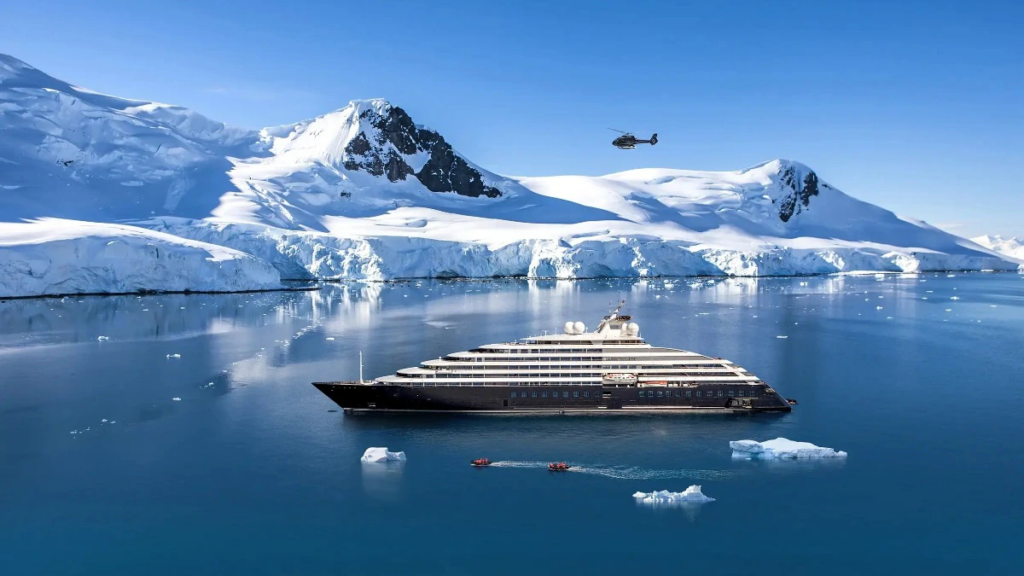
A hantavirus outbreak aboard the Antarctica-bound expedition ship MV Hondius has reignited a growing debate among scientists, conservationists, and public health experts: Is Antarctica becoming too crowded to protect?
The incident, which triggered international passenger tracing efforts after travelers from more than 20 countries were potentially exposed, is doing more than raising health concerns. It has become a flashpoint in a larger conversation about the risks tied to Antarctic tourism, especially as climate-driven “last chance tourism” continues to surge.
For decades, Antarctica was one of the planet’s most isolated regions, visited mostly by researchers and a small number of wealthy adventurers. Today, it has become one of the fastest-growing luxury tourism markets on Earth.
The problem, experts say, is that Antarctica is not built to absorb mass tourism the way other destinations are. Every additional ship, landing site, and tourist footprint increases pressure on an ecosystem that evolved in near-total isolation.
Why the Antarctica Tourism Boom Is Accelerating
The rise in Antarctica tourism is closely tied to climate anxiety.
Travelers increasingly want to see glaciers, ice shelves, penguin colonies, and polar wildlife before warming temperatures permanently alter the landscape. The trend has become known as “last chance tourism,” travel motivated by fear that a destination may disappear or fundamentally change.
That urgency has helped transform Antarctica from a niche scientific frontier into a premium cruise destination.
According to the International Association of Antarctica Tour Operators, more than 80,000 tourists physically landed in Antarctica in 2024, while tens of thousands more viewed the continent from cruise ships without setting foot ashore.
Researchers say that the number has increased roughly tenfold over the past three decades.
Antarctica Is Easier to Reach Than Ever
Several industry changes are fueling the growth:
- More ice-capable expedition ships
- Luxury polar cruise packages
- Improved satellite navigation
- Longer travel seasons due to changing ice conditions
- Social media-driven demand for “bucket list” experiences
Trips that once required specialized expedition planning can now be booked through mainstream luxury travel operators.
Some scientists worry the industry may soon outgrow the safeguards designed to regulate it.
Why the Hantavirus Outbreak Matters Beyond Public Health
The hantavirus outbreak aboard MV Hondius is concerning partly because it highlights how vulnerable expedition travel can be to disease transmission.
According to the World Health Organization, the ship departed from Ushuaia, Argentina, before traveling through Antarctica and remote South Atlantic islands. Authorities believe the first infected passenger likely contracted the virus before boarding.
Investigators are examining whether the outbreak involved the Andes strain of hantavirus, the only known hantavirus capable of limited human-to-human transmission.
Why Cruise Ships Amplify Disease Risks
Cruise ships create ideal conditions for outbreaks:
- Passengers remain in close quarters for extended periods
- Medical infrastructure is limited during remote voyages
- International travelers complicate contact tracing
- Ships move rapidly across jurisdictions
The outbreak has revived uncomfortable comparisons to the early Covid-19 pandemic, when cruise ships became synonymous with rapid onboard spread.
Public health experts say the issue is not necessarily that Antarctica itself caused the outbreak. The bigger concern is that tourism to remote ecosystems creates complicated chains of exposure and monitoring that become harder to manage as visitor numbers rise.
Antarctica’s Ecosystem Is More Fragile Than Most People Realise
Scientists have long warned that Antarctica’s isolation is exactly what makes it vulnerable.
Unlike ecosystems that regularly interact with outside species and pathogens, Antarctica evolved with limited biological exchange. That means even small disruptions can have outsized consequences.
Disease Transmission Is a Growing Fear
Recent outbreaks of avian flu among Antarctic wildlife have already demonstrated how quickly external pathogens can spread through polar ecosystems.
Researchers worry tourism could unintentionally introduce:
- Microbes
- Plant seeds
- Fungi
- Insects
- Pollutants
- Foreign bacteria
Even something as small as mud trapped in a boot lace can transport biological material into protected areas.
“There are rules that people are bound by when they’re heading south,” Antarctic law researcher Hanne Nielsen told the Associated Press, describing mandatory cleaning procedures involving vacuums, brushes, and disinfectants.
Wildlife Stress Is Increasing
Tourism also affects wildlife behavior.
Frequent landings near penguin colonies or seal habitats can increase stress, disrupt breeding patterns, and alter feeding behavior. While operators enforce minimum-distance rules, conservationists worry that cumulative tourism pressure is becoming harder to measure.
Claire Christian of the Antarctic and Southern Ocean Coalition warned that Antarctica’s ecological sensitivity requires tighter oversight as tourism expands.
What the Antarctic Treaty Actually Regulates
Much of Antarctica’s governance relies on the Antarctic Treaty, signed in 1959 to preserve the continent for peaceful scientific use.
The treaty established Antarctica as a scientific preserve and introduced environmental protections that still guide tourism today.
Under the current system:
- Tour operators must follow biosecurity protocols
- Environmental impact assessments are required
- Visitor activities are regulated
- Wildlife interaction rules are enforced
But critics say the treaty system was designed for a very different era, one with far fewer tourists and significantly less commercial activity.
The Rules May Not Match Modern Tourism
Today’s Antarctic tourism industry includes the following:
- Luxury expedition cruises
- Helicopter excursions
- High-volume seasonal landings
- Social media-driven travel demand
Some projections suggest annual Antarctic visitors could eventually exceed 400,000 if growth continues unchecked.
That possibility is alarming many researchers who believe the existing framework lacks the enforcement mechanisms needed for tourism at that scale.
Could Antarctica Face Visitor Limits?
The hantavirus outbreak may intensify calls for stricter controls.
Possible proposals being discussed among researchers and conservation groups include:
- Caps on annual visitor numbers
- Limits on ship traffic
- Tighter landing restrictions
- Expanded quarantine protocols
- Stronger environmental monitoring
- More aggressive biosecurity inspections
The challenge is that Antarctic tourism also funds conservation awareness and scientific interest. Many travelers return as vocal advocates for climate action after witnessing the region firsthand.
That creates a difficult balancing act: preserving public access without overwhelming the ecosystem itself.
Antarctica’s Tourism Debate Is Really About Climate Change
At its core, the Antarctica tourism debate reflects a deeper contradiction.
Climate change is driving people to visit Antarctica before it changes forever. But the act of traveling there — especially by cruise ship — contributes to emissions, environmental pressure, and ecological risk.
Scientists say that the paradox will only grow sharper in the coming years.
Antarctica remains one of the last places on Earth where human impact is still relatively limited. The question now is whether the global tourism industry can keep it that way as demand accelerates.
As conservationists often point out, damage in Antarctica can last for generations. A single footprint in some areas may remain visible for decades.
And unlike most destinations, Antarctica has very little room for error.