Papua New Guinea’s police say the PNG artillery shell is exactly that. A November 5 police statement says the object seized in Port Moresby on October 29 “is a 130mm military projectile”. Two days earlier, China’s embassy called it “a shell-shaped wine bottle”.
Four Chinese nationals remain in custody after the find, the ABC reported. Nobody has publicly named the owner or the intended buyer. Police Commissioner David Manning has told outside agencies to stop speculating.
Manning’s statement names no country
The Royal Papua New Guinea Constabulary statement is short. Manning says bomb technicians from the police and the PNG Defence Force (PNGDF) checked the round, “including through x-rays to confirm its structure.”
“The ordnance has been identified, rendered safe and is held in a secure facility,” Manning said. He called the investigation “substantial and ongoing”. The statement promises more information “at an appropriate time”.
Most of the statement is a warning against speculation. “External agencies would do well to respect the role and functions of our nation’s police force,” Manning said. He told them to “avoid public commentary that could interfere with the investigation.”
He didn’t name the Chinese embassy, or any other agency. Read in full, the statement gives no origin, owner or route for the projectile.
The “Chinese Type 59” label in many headlines comes from the ABC’s sources, and the US embassy says “Chinese-manufactured”. The police release uses neither.
How a 32kg find turned into a dispute
PNG’s Post-Courier broke the story on October 30. China’s Global Times summarised that report. It said a suspected projectile turned up among building materials in a container at a construction site, and police and the PNGDF ran a joint operation.
A day later, police dismissed claims that it was a dummy. They said explosives experts still had to determine what it was.
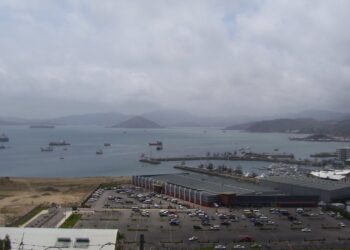
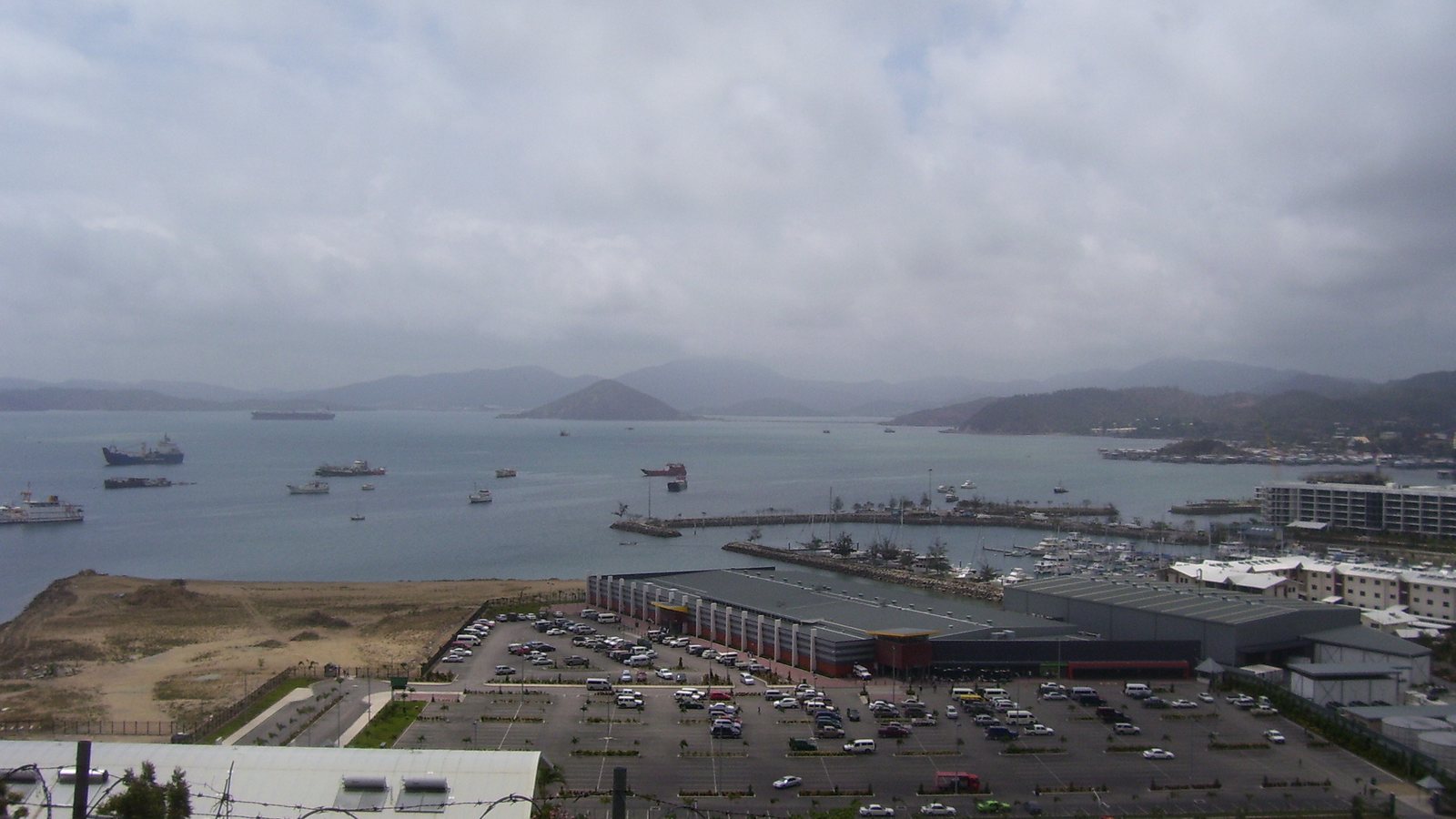
Accounts of the location differ. The ABC describes a commercial shipping container at “a major wharf in Port Moresby”. The Telegraph and the BBC, citing Post-Courier, put the container at a construction site in the capital. No outlet has named the site, and the police release says only “Port Moresby”.
On November 3, the ABC’s PNG correspondent Marian Faa reported on a police report finalised that day. Her high-level sources, whom she didn’t name, said it identified an undetonated 130mm Chinese Type 59 artillery projectile. They said it held chemical explosives and a fuse. Police haven’t released that report.
The ABC also reported that police arrested the four Chinese nationals on Friday, October 30. Police haven’t publicly named them or said whether anyone has been charged.
What China’s embassy said
The Chinese Embassy in Port Moresby replied in a Facebook post that Tuesday. It cited “the company involved” and “an on-site verification”. It concluded that “the object in question — reported as an ‘artillery shell’ — is in fact a shell-shaped wine bottle”, according to AFP’s report in The Peninsula. “It poses no danger at all,” the embassy wrote.
The embassy said China “enforces some of the world’s strictest firearm control laws and regulations”, the BBC reported. So smuggling such a shell from China to PNG was “virtually impossible”, it argued.
Global Times quoted more of the post. The embassy said it kept PNG police “fully updated” and awaited their findings.
It also reminded Chinese citizens and companies abroad to obey local laws. It didn’t name the company. We found no comment from China’s foreign ministry.
Commenters under the post doubted it. One asked what sort of wine bottle weighs 32kg, the Telegraph reported.
Washington weighs in, Canberra stays quiet
The US embassy in Port Moresby joined in on November 5, AFP reported. In a social media post, it said “US Department of War personnel directly engaged with the PNG Explosive Ordnance Disposal unit that examined the object”. It called the object “an unexploded Chinese-manufactured artillery projectile containing explosives and a fuse”.
So the US embassy is the only party on the record with the word “Chinese-manufactured”. PNG police, in their statement the same day, avoid it.
Australia’s role so far is equipment, not commentary. Police used an X-ray machine that Australia had donated to them, the ABC reported. We found no comment on the case from Canberra.
All three governments compete for influence in the Pacific. The Telegraph notes that PNG signed its first defence deal with Australia in October 2025. China’s navy keeps growing too, with a fourth aircraft carrier on the way.
What the arrests do and don’t show
Nothing on the record links the projectile to any government, and the men’s nationality doesn’t change that. Where a state link exists, prosecutors tend to spell it out. US prosecutors did so with two Chinese agents who targeted US Navy sailors.
The open questions here are practical, and police hold the answers. They include who imported the container and what its paperwork declared. Investigators also need to establish whether the four men knew the round was inside, and what “the company involved” told the embassy.
Charges against the four, or the bomb unit’s report, would start to answer them. For now, PNG’s only official word is that the object is a 130mm military projectile. It sits in a secure facility.