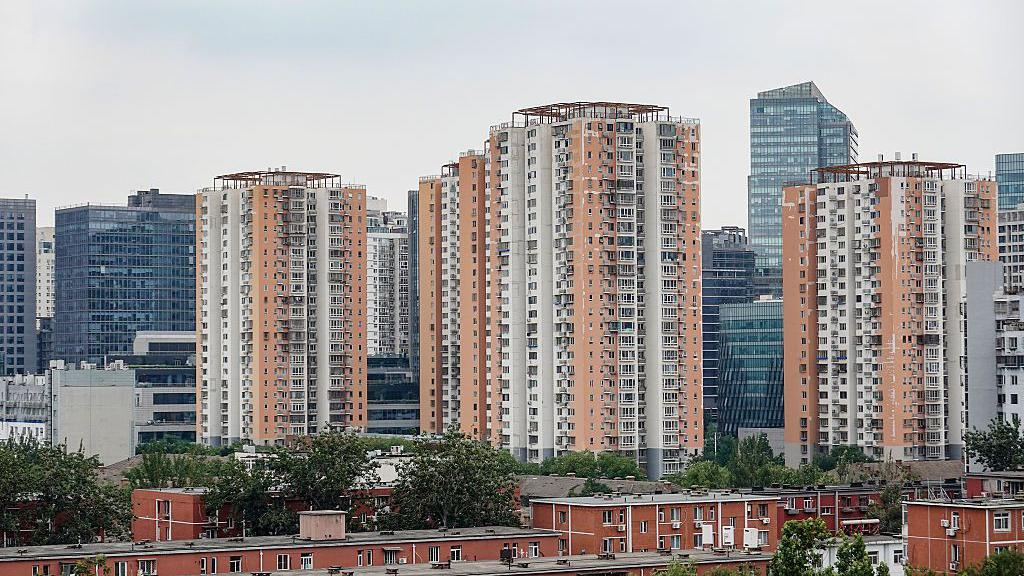
China is moving to ban a growing but controversial practice—using residential apartments to store cremated bone ash. The new regulation, set to take effect ahead of the Qingming Festival, aims to ensure that ashes are kept only in officially designated burial spaces.
The decision reflects deeper pressures: rising funeral costs, limited cemetery space, and a rapidly aging population.
What are “bone ash apartments,” and why were they used?
“Bone ash apartments,” known locally as guihui fang, are ordinary residential flats repurposed to store urns containing cremated remains.
How the trend evolved
- Families converted empty apartments into private ancestral shrines
- These units often included candles, altars, and multiple urns
- They were typically located in low-cost or remote housing complexes
Why do people choose this option
The reasons were largely practical:
- High cemetery costs
- Limited burial space in cities
- Falling property prices, making unused apartments cheaper
For many families, this became a workaround—one that blended tradition with economic reality.
Why is China banning this practice now?
The new rule explicitly prohibits storing human remains in residential housing and mandates burial in approved locations such as public cemeteries.
Key reasons behind the ban
1. Urban regulation and housing misuse
Authorities want to prevent residential properties from being used for non-living purposes, especially ones that may affect neighbors, violate zoning norms, or raise safety concerns.
2. Standardizing the funeral industry
The government is also trying to improve transparency in funeral pricing, crack down on fraud and exploitation, and reduce the financial burden on families.
3. Cultural timing
The law comes just before the Qingming Festival, when families traditionally honor ancestors, making it a symbolic moment to reinforce regulated practices.
The bigger issue: Rising deaths and shrinking space
China’s demographic trends are intensifying the problem.
A rapidly aging population
- Deaths rose from 9.8 million in 2015 to 11.3 million in 2025
- This increase is putting pressure on the burial infrastructure
Limited cemetery availability
- Cemetery plots are finite and often leased
- Many require renewal every 20 years
- Urban land scarcity makes expansion difficult
High funeral costs
Funerals in China rank among the most expensive globally, with costs reaching nearly half of an average annual salary in some cases.
This combination of more deaths, less space, and higher costs helped fuel the rise of bone ash apartments.
How falling real estate prices played a role
China’s property market downturn added another layer.
- Housing prices dropped by around 40 percent between 2021 and 2025
- Unsold or vacant apartments became cheaper alternatives
For some families, using an apartment to store ashes became more practical than securing cemetery space.
Public reaction: Skepticism and frustration
The ban has triggered mixed reactions online, especially on platforms like Weibo.
Common concerns raised by users
- Enforcement doubts about how authorities will monitor private homes
- Privacy concerns over possible inspections
- Continued frustration over unaffordable cemetery plots
The response shows that while the policy addresses regulation, it does not fully solve the cost issue.
What changes under the new law?
The regulation introduces stricter oversight of how human remains are handled.
New requirements include the following:
- Ashes must be stored or buried only in designated facilities
- Residential use for storing remains is banned
- Funeral service providers will face greater scrutiny on pricing and practices
Authorities say the goal is to make funerals more affordable and transparent, though enforcement details remain unclear.
Why this story matters globally
This issue reflects broader global challenges.
1. Urban land scarcity
As cities grow denser, space for traditional burials becomes harder to find.
2. Cost of dying
Funeral expenses are rising worldwide, forcing families to seek alternatives.
3. Tradition vs modern living
Practices like ancestor worship are increasingly shaped by urban constraints and regulations.
TL;DR
- China is banning bone ash apartments where cremated remains were stored in residential flats
- The move aims to regulate housing use and address rising funeral costs
- Increasing deaths, limited cemetery space, and high expenses drove the trend
- Public reaction highlights concerns over affordability and enforcement