Quick Summary
- 7,000+ chikungunya cases have emerged across Guangdong since July
- Foshan is the hardest-hit city; Hong Kong just reported its first case
- China has imposed Covid-style containment measures, including quarantines and fines
- Biological methods, such as mosquito-eating fish and giant predator mosquitoes, are being deployed
- Public reaction is mixed, concern over health risks, but also discomfort with heavy-handed tactics
- Global health experts stress mosquito control as key to prevention
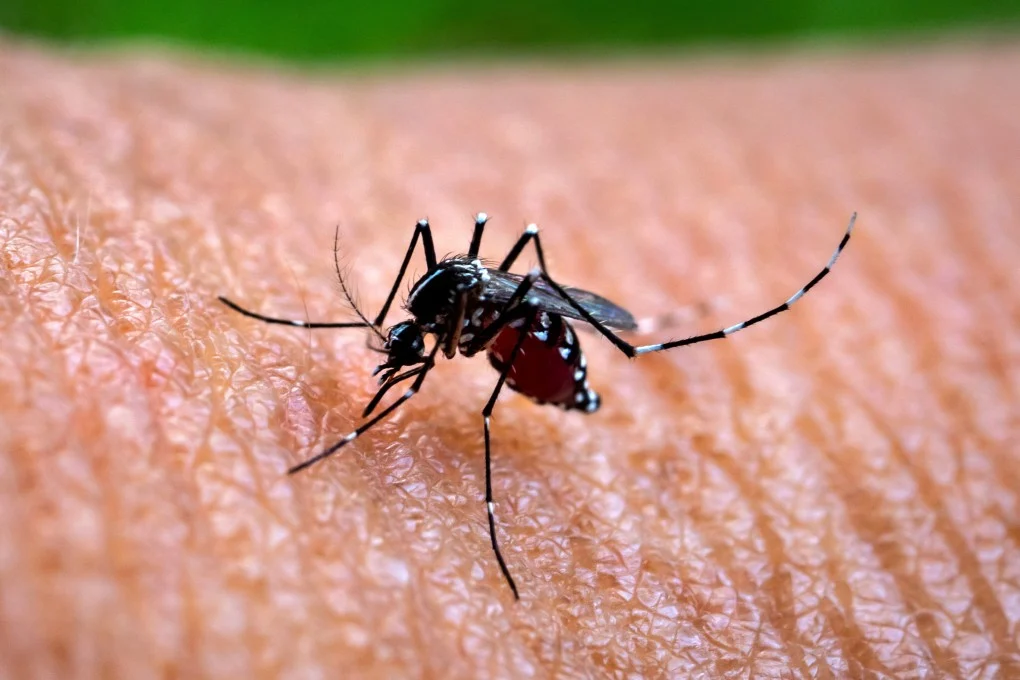
China is battling a rare outbreak of chikungunya, a mosquito-borne virus, with more than 7,000 cases reported in the southern province of Guangdong since July. The sudden spike has prompted aggressive containment measures reminiscent of those used during the COVID-19 pandemic.
How Widespread Is the Outbreak?
Chikungunya cases have now been detected in at least 13 cities across Guangdong, with Foshan city being the epicenter. Nearly 3,000 new infections were recorded in just the past week, signalling a rapid spread.
- First Hong Kong case: A 12-year-old boy tested positive after returning from Foshan in July, marking the first imported case for the city.
- Mild but alarming: Authorities report that 95% of patients recover within a week, but the debilitating joint pain, which can linger for months or even years, has sparked concern.
“This is scary. The prolonged consequences sound very painful,” one user wrote on Weibo, echoing the sentiments of many Chinese citizens unfamiliar with the virus.
What Is Chikungunya, and How Dangerous Is It?
Symptoms
- Sudden fever
- Severe joint pain (especially in hands and feet)
- Rash, headaches, muscle pain, and swollen joints
Incubation Period
- 3–7 days after being bitten by an infected mosquito
Recovery
- Most patients recover fully within a week
- Some experience chronic joint pain that lasts months or even years
- No vaccine or cure exists, though fatalities are extremely rare
At-risk groups
- Newborns
- Elderly
- People with heart disease, diabetes, or weakened immune systems
How Is the Virus Transmitted?
Chikungunya spreads only through mosquito bites, not through direct contact or person-to-person transmission. An infected individual can act as a reservoir, and if bitten by another mosquito, the virus continues to circulate.
“What’s the point of the quarantine? It’s not as though an infected patient will then go around biting other people?” one Weibo user wrote, critiquing strict containment policies.
China’s Response: Covid-Style Measures Resurface
Despite the virus being non-contagious, local authorities have introduced a variety of strict interventions:
In Foshan:
- Mandatory hospitalisation for all patients
- Beds surrounded by mosquito nets
- Discharge only after testing negative or completing seven-day isolation
Province-wide:
- Residents told to eliminate stagnant water from homes (e.g., flowerpots, buckets, coffee machines)
- Fines up to 10,000 yuan ($1,400) for failing to comply
- Symptomatic individuals urged to get tested immediately
Unconventional Solutions: Mosquitoes vs. Mosquitoes
Authorities are going beyond standard public health campaigns and deploying biological countermeasures:
- Elephant mosquitoes: Giant, non-biting mosquitoes that prey on smaller, disease-carrying species
- Larvae-eating fish: 5,000 released into city lakes last week
- Drones: Used to detect and map stagnant water hotspots
Comparisons to COVID-19 Restrictions Spark Debate
The re-emergence of quarantine orders and strict containment echoes China’s Covid-19 response, and not everyone is on board.
- Some cities initially required 14-day home quarantines for Foshan travelers, later withdrawn after criticism
- Social media users have questioned the necessity and proportionality of the measures
“These feel so familiar… But are they really necessary?” asked one commenter, referring to China’s previous pandemic-era policies like forced quarantines, sealed buildings, and citywide lockdowns.
Global Reaction and Travel Advisories
The U.S. State Department has issued a travel advisory urging citizens to “exercise increased caution” when traveling to affected areas in China.
The World Health Organization (WHO) continues to emphasize mosquito control as the best preventive measure:
“Reduce pools of stagnant water that allow the mosquitoes to breed,” says the WHO.