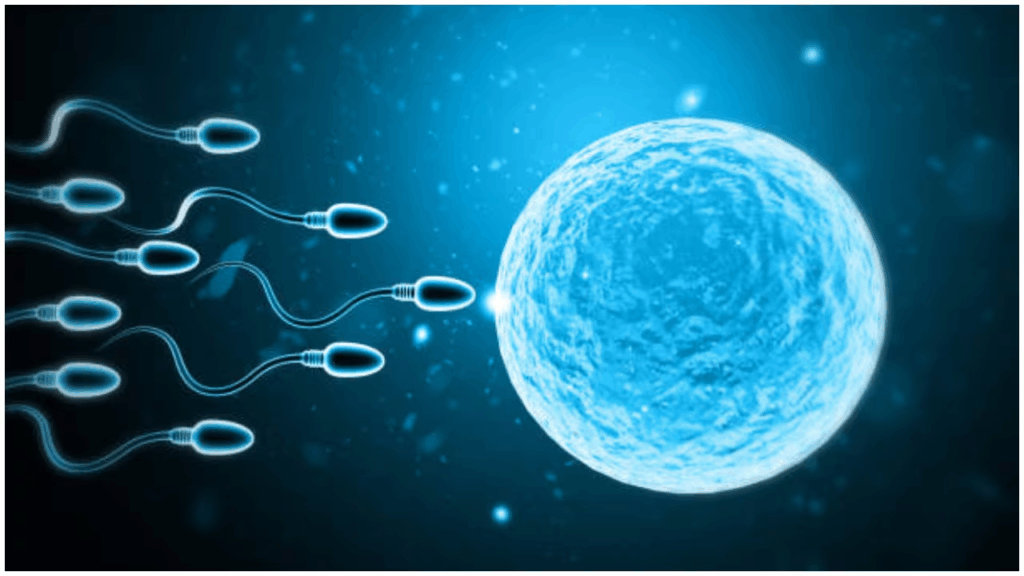
A startling cross-border investigation has revealed that an anonymous sperm donor carrying a dangerous cancer-causing gene variant fathered at least 197 children across Europe, exposing a critical gap in international donor screening and genetic regulation.
The primary keyword, “sperm donor with cancer-causing gene,” is included early to align with high-interest search queries.
This case involves one of the largest known genetic transmission failures in modern fertility medicine, with multiple children already developing aggressive cancers linked to the TP53 mutation associated with Li-Fraumeni syndrome.
This article explains what happened, how the mutation went undetected, the failures within the system, and why global regulation is now under urgent scrutiny.
What triggered the investigation into the donor?
The European Sperm Bank (ESB), headquartered in Copenhagen, discovered in 2023 that one of its longtime donors carried a TP53 gene mutation in part of his sperm cells. This mutation dramatically increases cancer risk when passed to offspring.
A warning sign from the first diagnosed child
The initial red flag came in 2020, when a child conceived with the donor’s sperm was diagnosed with the mutation. At the time, ESB concluded the genetic finding was negative, and the donor’s samples were put back into circulation.
This decision allowed more families across Europe to use his sperm, increasing the number of affected children and obscuring the extent of genetic transmission.
A second case forced irreversible action
Only after a second child was diagnosed in 2023 did ESB launch a full review and block the donor permanently. By then, the scale of distribution had grown far beyond national limits in several countries.
Who was the donor, and how did the mutation go undetected?
The donor began giving sperm in 2005, while he was a student. He remained in the system for 17 years, and during this period, his donations were shipped to 67 clinics across at least 14 countries.
A rare mutation hidden from standard tests
The donor was healthy and had passed existing medical checks. Standard screening at the time did not include the specific TP53 variant because:
- It was a previously unknown mutation.
- It existed only in a percentage of his sperm, a condition called mosaicism.
- Early 2000s donor screening did not routinely test for rare cancer-predisposition genes.
Mosaicism made detection difficult
The mutation was found in up to 20% of his sperm cells, meaning:
- He does not have Li-Fraumeni syndrome himself.
- Only some of his sperm carry the variant.
- Any child conceived with mutated sperm inherits the mutation in every cell.
This type of mosaicism is impossible to identify without advanced genetic sequencing, which most sperm banks did not use during his active donation period.
What is Li-Fraumeni syndrome, and why is it so dangerous?
Li-Fraumeni syndrome (LFS) is a rare hereditary condition caused by harmful mutations in the TP53 gene, often referred to as the body’s “guardian of the genome.”
Why the TP53 gene matters
TP53 helps regulate cell growth and prevent cancer. When the gene is defective, the body loses one of its key defences against developing tumors.
Lifetime cancer risks
People with LFS face:
- Up to a 90% lifetime risk of developing cancer
- A high likelihood of cancers in childhood or early adulthood
- Increased risk of:
- sarcomas
- brain tumors
- breast cancer
- leukemia
- adrenal cancers
Geneticist Professor Clare Turnbull described the diagnosis as “a lifelong burden,” emphasizing the profound psychological and medical toll it places on families.
Monitoring and preventive care
Those with LFS require:
- Annual full-body MRI scans
- Brain MRI screenings
- Abdominal ultrasounds
- In some cases, preventive surgeries such as prophylactic mastectomy
These medical protocols continue for life, making early detection crucial—but also emotionally and financially burdensome.
How many children inherited the mutation?
Because sperm samples were distributed internationally and donor tracking varies widely by country, the true number remains uncertain.
Current known figures
Early data shows:
- 23 out of 67 tested children inherited the TP53 variant
- At least 10 children have developed cancer
- Several have died
- More children are expected to be diagnosed as testing continues
French cancer geneticist Dr. Edwige Kasper, who presented initial findings, noted that some children have already developed multiple cancers, a hallmark of the syndrome.
Why the numbers may grow
Not all countries have complete reporting systems. Some lack national donor tracking. Others do not require clinics to share follow-up health data. This fragmentation makes it likely that:
- more than 197 children may ultimately be linked to the donor
- more cases of the mutation may surface
- health authorities may struggle to trace all families involved
How did donor limits get exceeded across Europe?
One of the investigation’s most alarming revelations was the scale of regulatory breaches.
ESB’s own limit was 75 families
Yet the donor fathered children in at least 197 families, more than double the cap.
Some countries also impose national limits
For example:
- Belgium and Spain have strict donor-offspring limits
- The donor’s sperm exceeded these legal thresholds due to cross-border distribution
Because sperm banks frequently exchange samples internationally, national caps become difficult to enforce unless regulators share data actively, something that rarely happens.
The result: a system built for anonymity, not accountability
The investigation highlights weaknesses in:
- genetic testing standards
- donor tracking
- cross-border clinic coordination
- post-birth health reporting
With no unified European framework, donors can unknowingly father hundreds of children, and genetic risks can go unnoticed for years.
Why this case exposes global gaps in fertility regulation
The investigation, led by 14 public service broadcasters, including the BBC, under the European Broadcasting Union’s Investigative Journalism Network, reflects a deeper global issue.
Key failures exposed
- Outdated genetic screening standards
Most donor screening panels were developed before advanced sequencing became affordable. Rare but catastrophic mutations can slip through the cracks. - Lack of international oversight
A donor approved in one country can father children across many others without cross-border tracking. - Overuse of a single donor
Oversight mechanisms failed to detect excessive distribution despite internal limits. - Slow response to initial warnings
ESB misinterpreted the first flagged case in 2020 and returned the sperm to market, widening the impact. - Incomplete health reporting
Many countries do not require clinics to inform donors or sperm banks when children develop medical conditions related to donation.
Why this matters now
With fertility treatments growing globally, the case underscores the urgent need for:
- unified donor registries
- updated genetic screening protocols
- real-time cross-clinic data sharing
- transparent reporting for families
Without these reforms, similar events could occur elsewhere, unnoticed until serious harm is done.
TL;DR
A sperm donor carrying a rare TP53 mutation linked to Li-Fraumeni syndrome unknowingly fathered at least 197 children across Europe, many of whom now face extremely high cancer risks. Gaps in genetic screening, cross-border tracking, and donor-offspring limits allowed the mutation to spread undetected for nearly two decades. The case has triggered calls for tighter fertility regulation and global genetic oversight.