
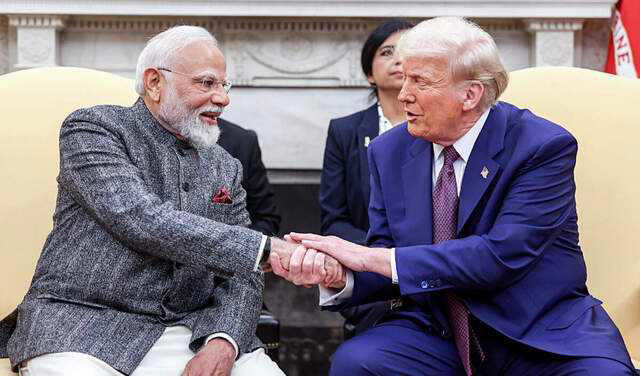
A 40-minute phone call between Narendra Modi and Donald Trump signals more than routine diplomacy. Coming just after a reported ceasefire between Washington and Tehran, the discussion focused on two interconnected priorities: stability in the Middle East and safeguarding a critical global oil artery, the Strait of Hormuz.
What did Modi and Trump discuss in the call?
According to official statements, the leaders covered two broad themes:
1. Bilateral cooperation across sectors
Modi emphasized “substantial progress” in India–US ties, referencing the ongoing Comprehensive Global Strategic Partnership. This umbrella term typically includes:
- Defense and security collaboration
- Trade and investment flows
- Technology partnerships, including AI and semiconductors
- Energy cooperation
The tone suggests continuity rather than change. Despite global tensions, both sides appear committed to deepening ties.
2. The Middle East situation and regional stability
The more immediate concern was the situation in West Asia, particularly after a fragile ceasefire involving Iran.
Both leaders stressed the importance of stability in the region, which remains a geopolitical pressure point with global consequences.
Why is the Strait of Hormuz so important?
The Strait of Hormuz is one of the most critical chokepoints in the global economy.
Key facts that explain its significance
- Roughly 20 percent of the world’s oil supply passes through it
- It connects the Persian Gulf to the Arabian Sea
- Major exporters like Saudi Arabia, Iraq, and the UAE rely on it
Any disruption, even temporary, can spike global oil prices and trigger economic ripple effects worldwide.
For India, which imports a significant portion of its crude oil, keeping this route open is not just strategic, it’s essential.
Why this call matters now
Timing is everything in geopolitics. This call comes at a delicate moment.
Post-ceasefire uncertainty
While a ceasefire between the US and Iran may reduce immediate tensions, such agreements are often fragile. Both India and the US have a stake in ensuring the situation doesn’t escalate again.
Energy security concerns
For India:
- Heavy dependence on Middle Eastern oil
- Vulnerability to supply disruptions
For the US:
- Interest in maintaining global energy stability
- Strategic presence in the region
The shared concern over the Strait of Hormuz reflects aligned interests, even if broader geopolitical goals differ.
The US perspective: what Trump is signaling
Trump’s outreach to Modi also carries messaging beyond the call itself.
Reinforcing alliances
By updating India directly, Washington signals that New Delhi remains a key strategic partner in navigating global crises.
Managing global perception
Stability in the Middle East affects not just oil markets but also political narratives. Demonstrating active diplomacy helps project control and leadership.
US envoy to India Sergio Gor told NDTV that the president regularly keeps the Indian prime minister informed, underscoring the frequency and importance of such engagements.
India’s balancing act in West Asia
India has historically maintained a careful diplomatic balance in the Middle East.
Why India avoids taking sides
- Strong ties with Gulf nations
- Strategic relationship with the US
- Economic interests across the region
This makes India’s position unique. It often acts as a stabilizing voice rather than a partisan player.
Modi’s emphasis on keeping the Strait of Hormuz open aligns with this approach: focus on stability, avoid escalation.
The significance of Modi’s remark to Trump
During the call, Modi reportedly told Trump, “People of India love you.”
While such remarks are often diplomatic courtesies, they also serve a purpose.
What it could signal
- Personal rapport between leaders
- Effort to maintain positive optics in bilateral ties
- Reinforcement of political goodwill
In diplomacy, tone matters almost as much as substance. Statements like this can help smooth negotiations behind the scenes.
What this means for global markets and geopolitics
Even a brief disruption in the Strait of Hormuz can have outsized consequences.
Potential impacts if tensions rise again
- Oil price volatility
- Inflationary pressure globally
- Supply chain disruptions
- Increased military presence in the region
This is why both leaders highlighted maritime security. It’s not just about regional stability, it’s about global economic continuity.
What to watch next
The Modi–Trump call is a snapshot, not the full story. Key developments to monitor include:
- Whether the US–Iran ceasefire holds
- Naval activity around the Strait of Hormuz
- Oil price movements in the coming weeks
- Further diplomatic engagements between India, the US, and Gulf nations
TL;DR
- Modi and Trump spoke for 40 minutes following a US–Iran ceasefire
- They reviewed India–US cooperation and discussed Middle East tensions
- Both stressed keeping the Strait of Hormuz open due to its global oil importance
- The call reflects shared concerns over energy security and regional stability