
Opinion. By Mansoor Palloor
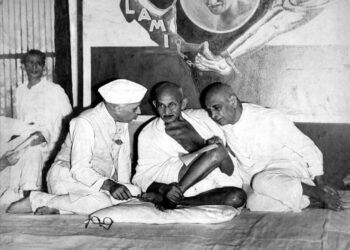
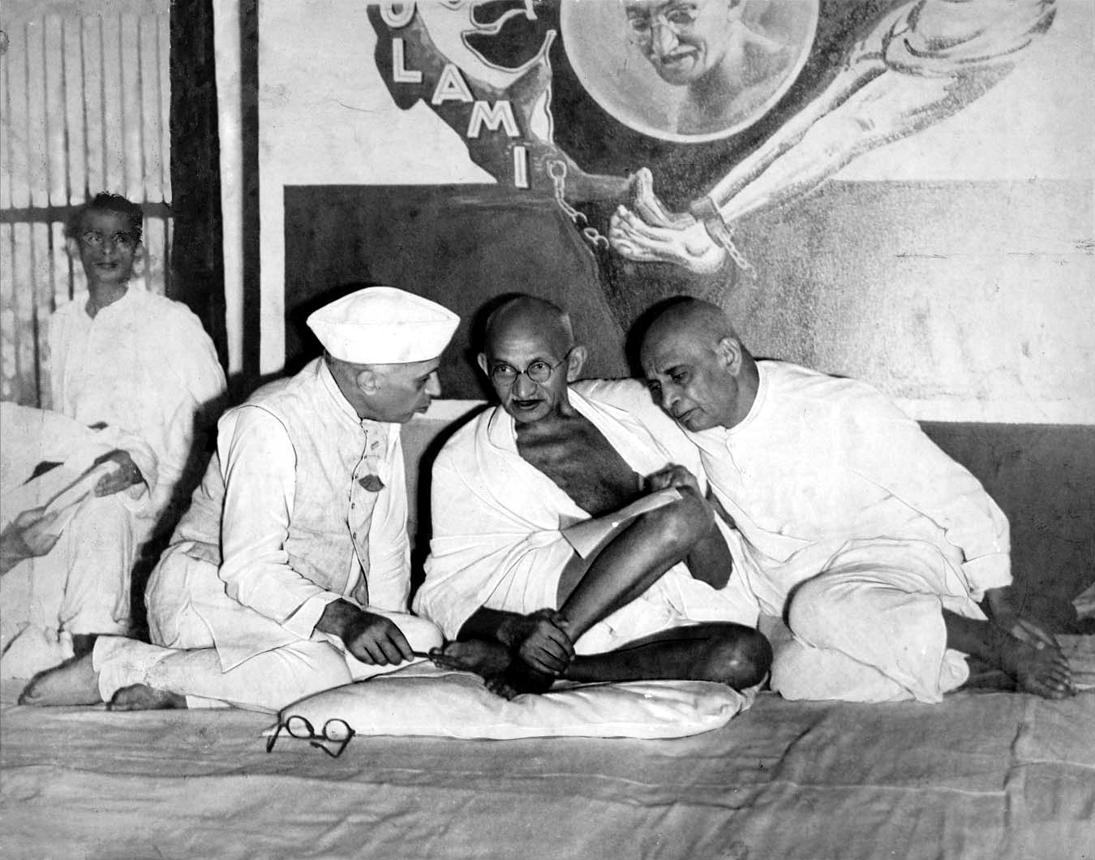
On August 1, 1947, just two weeks before India became independent, Jawaharlal Nehru wrote a letter to Sardar Vallabhbhai Patel. Inviting Patel to join the new Cabinet, Nehru described Patel as the strongest pillar of the Cabinet. Patel replied in the same spirit. He recalled their affection and nearly three decades of comradeship in the national movement. His services, he assured Nehru, would remain at his disposal. In his view, their combination was a source of strength.
On Jawaharlal Nehru’s birth anniversary, that letter offers a valuable answer to a familiar political allegation: that India’s first prime minister sidelined Patel and treated him as an adversary. Contemporary propaganda often turns their relationship into a contest between an impractical Nehru and a decisive Patel. Their correspondence tells a more complex story of political friends who shared a long struggle and the responsibilities of building independent India.
The country they inherited faced immense challenges after independence: partition, communal violence and millions of displaced people. They had to bring the princely states into India, build up the administration and set up a democratic system. Nehru brought to these tasks a wide international outlook and a commitment to democratic nation-building. He believed that independence must lead to institutions capable of serving India’s diverse people. He also understood the value of Patel’s exceptional organisational abilities and authority within the Congress. Their different experiences often complemented each other as they turned from the struggle for freedom to the responsibilities of government.
The 1946 Congress presidency
In 1946, whoever became Congress president would likely lead the interim government. Reports say 12 of the 15 Provincial Congress Committees backed Patel. But Gandhi preferred Nehru, and Patel stepped back. Some say Nehru sidelined Patel because of this, but there is no truth in it. History leaves a paper trail. The letters, official decisions and later testimony reveal colleagues sharing responsibility for an India facing extraordinary pressures.
At independence, India’s map looked very different. Besides British India, there were hundreds of princely states, and bringing them in was essential for the country’s unity and stability. Patel led this work as the minister in charge, with V. P. Menon and other officials. Nehru helped too. In June 1947 he wrote to Lord Mountbatten about the need for a central body to handle the states in a coordinated way. Patel’s leadership was decisive, but the whole government worked on it.
It’s also wrong to say Patel launched the Hyderabad action behind Nehru’s back. They discussed the situation and the possibility of military action. On 12 September 1948, the day before Operation Polo began, Nehru wrote to Patel about a telegram from the Nizam and a proposed reply, asking him to consult Governor-General Rajagopalachari. On 17 September, as the operation ended, Nehru invited Patel and other ministers to discuss the developing situation. These letters document consultation; they do not, by themselves, prove that every minister agreed on every aspect of the operation. The violence accompanying and following the action also forms part of its history.
Kashmir and Article 370
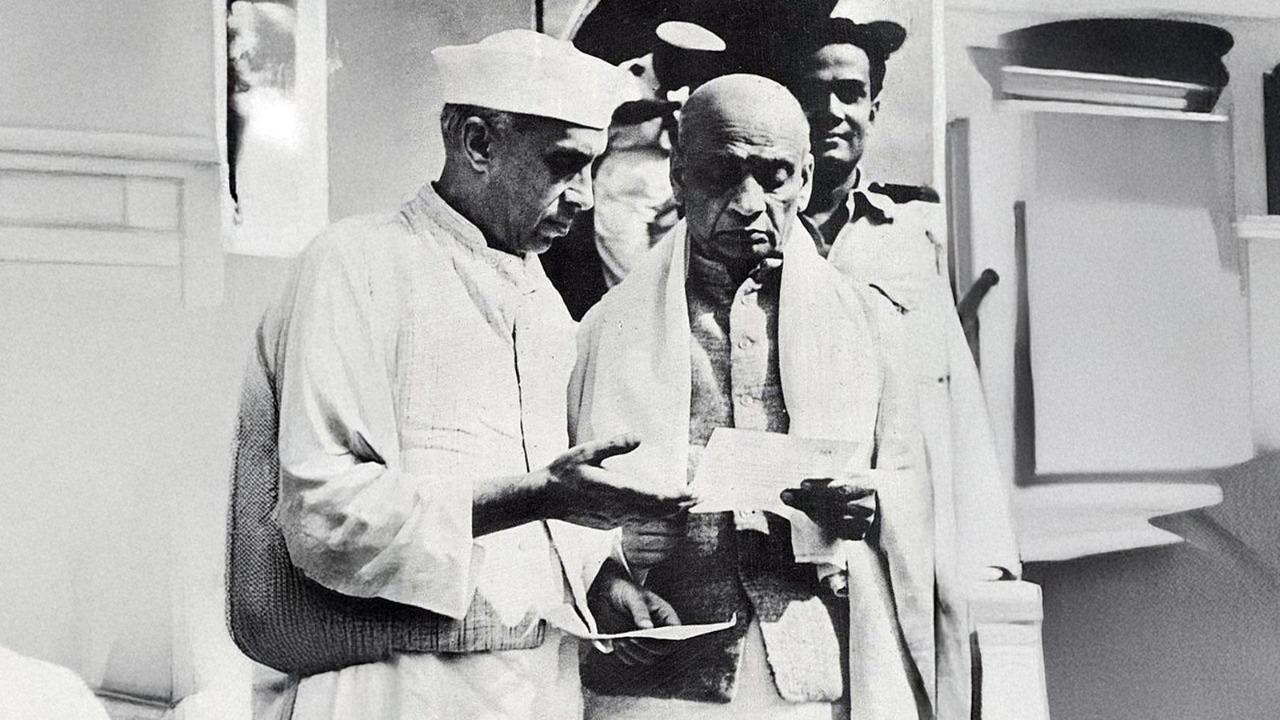
Another allegation is that Nehru shut Patel out of Kashmir and decided everything alone. Take the United Nations referral. In a letter to Patel dated December 29, 1947, Nehru explained that the Cabinet had discussed the draft for the UN and that he had sent Patel a copy.
The same goes for Article 370. People say Nehru forced it through over Patel’s objections. In 1949, Nehru, Patel, N. Gopalaswami Ayyangar and Sheikh Abdullah all took part in the talks. Ayyangar’s draft was sent to Patel for his opinion, and Patel later helped convince his Congress colleagues to accept it. So the idea that Patel opposed it and Nehru overruled him doesn’t hold up.
Somnath and China
Somnath is another example where the record matters. Patel supported rebuilding the Somnath Temple. Nehru worried that official government involvement in a religious ceremony would send the wrong message about secularism. He wasn’t against the rebuilding itself, and Gandhi had suggested it be paid for by public donations.
China raised a grave question. On 7 October 1950, Chinese forces entered eastern Tibet. On 7 November, Patel wrote to Nehru after studying diplomatic correspondence, warning about Chinese intentions and India’s northern frontier. His letter called for attention to border defence, infrastructure and administration.
This letter shouldn’t be read as a sign of hostility. It was advice from a senior colleague to the Prime Minister.
Patel also did a great deal to build up the IAS and the IPS. He believed capable civil services were necessary for national unity and good administration, and they became key supports of India’s constitutional system.
These episodes do not require us to deny that the two leaders sometimes held different views. They show how policy emerged through letters, meetings and negotiation. The constitutional provision for Jammu and Kashmir, the administration of former princely states and the choice of international forums all involved decisions by institutions and colleagues working under exceptional pressure.
The empty chair
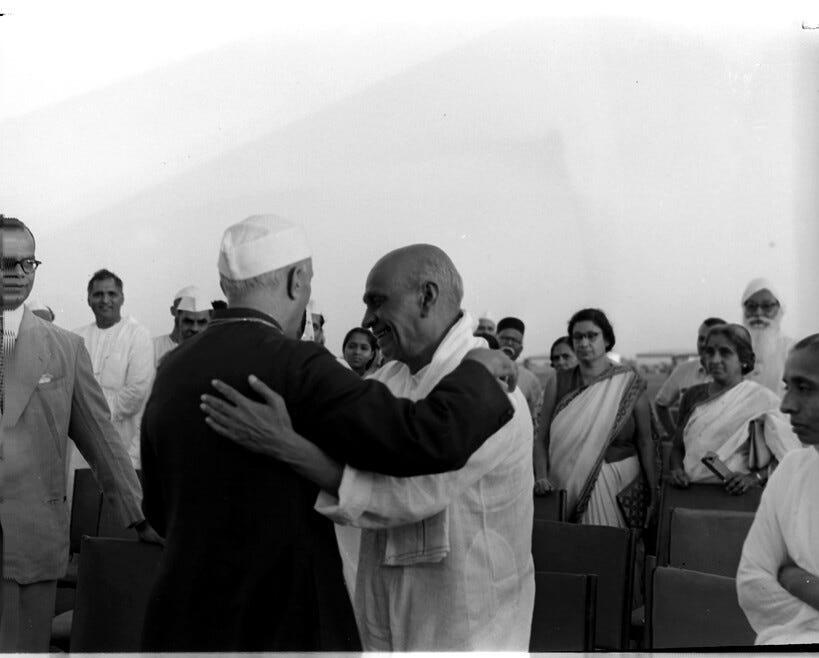
On December 12, 1950, Patel went to the airport to fly to Bombay. Nehru and other colleagues came to see him off. People hoped he would recover and return, but he died on December 15.
In Parliament, Nehru paid tribute to Patel’s role in the freedom struggle and in building modern India. He spoke of the pain of losing a colleague who had sat beside him for years, and said the seat next to him would now be empty.
On Nehru’s birth anniversary, that empty chair answers the caricature of a fractured partnership. Their letters show friendship, trust and serious discussion in the service of a shared national purpose. Nehru and Patel helped build India together; the record deserves to be read in full. Their shared work, done despite their differences, is still valuable to Indian democracy today.
Mansoor Palloor is Middle East Convener of the Indian Overseas Congress and chief editor of the IOC Newsletter. This article first appeared in the newsletter’s November Nehru special issue. The views expressed are the author’s own.
Courtesy: IOC Newsletter