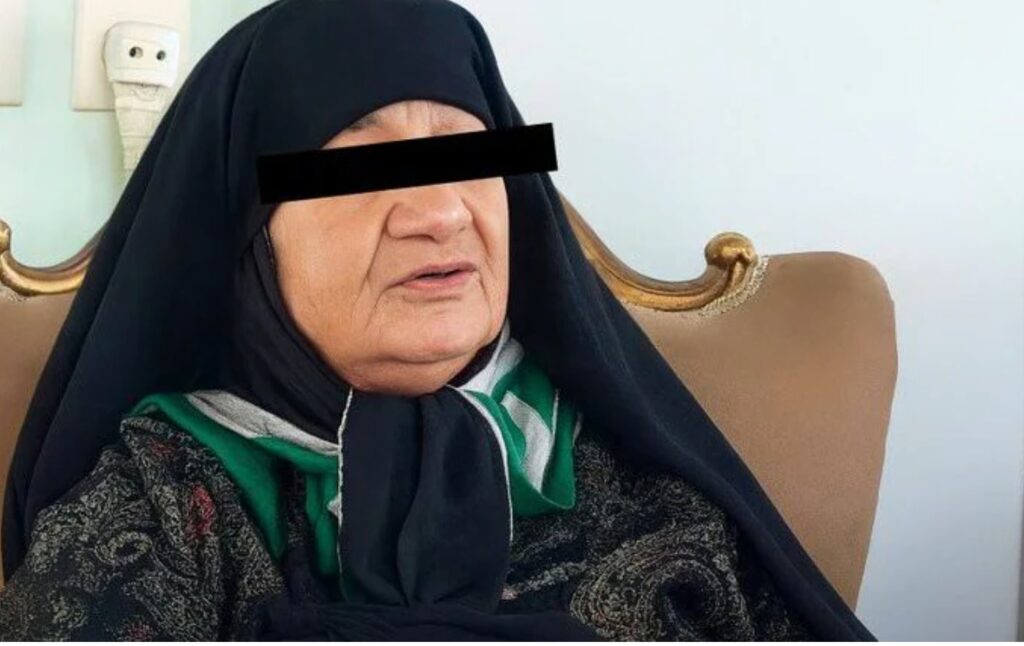
Kulthum Akbari, branded Iran’s “Black Widow,” is accused of poisoning 11 husbands over two decades. What makes her story remarkable is not only the chilling scale of deaths but also how they went undetected for years. Forensic blind spots, cultural assumptions, and gaps in elderly death investigations enabled her to commit serial murders that looked like natural causes.
TL;DR
Akbari allegedly poisoned 11 elderly husbands between 2000 and 2023, inheriting assets while their deaths were misclassified as natural. Weak forensic checks in elderly cases and cultural reluctance to perform autopsies created a blind spot. Her case reveals how poisoners exploit systemic gaps, highlighting the need for better forensic protocols worldwide.
What Happened
Akbari’s marriages followed a disturbing pattern. She targeted older men, often wealthy, whom she wed through both formal and temporary unions. Soon after marriage, the men developed mysterious health issues—liver failure, respiratory collapse, or complications resembling diabetes or heart disease. In reality, she allegedly used sedatives, industrial alcohol, or altered medications to slowly poison them.
From 2000 to 2023, 11 of her husbands died under similar circumstances. With each death, she transferred properties and assets into her daughter’s name. Suspicion grew only after her most recent husband’s death and testimony from a surviving victim in 2020. By then, over 45 families had filed complaints, and prosecutors charged her with 11 counts of first-degree murder and one attempted murder.
Why It Matters
The case exposes how systemic blind spots allow serial poisoners to act unchecked. Elderly deaths are often attributed to “natural causes” without toxicology tests, especially when comorbidities are present. In Akbari’s case, doctors and coroners assumed age-related illnesses explained the fatalities. Her victims were buried quickly, bypassing forensic scrutiny.
This is not unique to Iran. Across the world, elderly deaths receive less investigative rigor. Poisoners know this, using substances that mimic natural decline. The outcome is that killers can operate for decades, concealed within the margins of medical assumptions.
Forensic Blind Spots
Two core factors explain how Akbari’s crimes went undetected:
- Lack of Routine Toxicology – In many countries, toxicology tests are not standard unless foul play is suspected. For the elderly, suspicion rarely arises.
- Cultural and Financial Barriers – Autopsies are often resisted in conservative societies due to religious or cultural beliefs. Costs and lack of facilities further limit investigations.
Here’s a breakdown of toxicology practices in elderly deaths worldwide:
| Country | Toxicology in Elderly Deaths | Common Challenges |
|---|---|---|
| Iran | Rare, only if foul play suspected | Cultural resistance, cost barriers |
| US | Inconsistent, varies by state | Budget constraints, coroners’ discretion |
| UK | Conducted if coroner deems necessary | Limited in resource-strapped regions |
| Japan | Selective, not routine | Strong respect for family privacy |
| India | Rare, unless police intervene | Overburdened forensic labs |
These inconsistencies create fertile ground for slow poisoners.
Iran’s Black Widow Case: Patterns in Poison Serial Killers
Poison is historically the weapon of choice for “black widow” killers. It offers subtlety, control, and the ability to mask murder as illness. Unlike violent crime, poison requires patience and planning. Female serial killers, in particular, are overrepresented among poisoners because it provides a “quiet” method that aligns with social expectations of caregiving.
Akbari joins a grim lineage: Japan’s Chisako Kakehi, who poisoned elderly lovers for inheritance; the UK’s Mary Ann Cotton, who murdered multiple husbands with arsenic in the 19th century; and the US nurse Charles Cullen, who killed patients with drug overdoses. All exploited institutional blind spots, whether family trust or medical negligence.
Legal and Policy Implications
Akbari’s trial is more than a criminal case. It exposes weaknesses in Iran’s forensic and legal systems. Her defense has requested a psychological evaluation, but the families of the victims demand execution. The case has reignited debates on whether Iranian courts should mandate routine autopsies for suspicious elderly deaths.
Globally, the lesson is stark: forensic protocols must adapt. Budget cuts, cultural resistance, and systemic assumptions leave millions vulnerable. Without reform, other “invisible murders” may already be happening unnoticed.
Global Lessons
The case resonates far beyond Iran. Many societies undervalue forensic review in elderly deaths, assuming disease explains everything. Yet the very predictability of age-related illness makes it an easy cover for calculated killings. Implementing affordable toxicology and rethinking death certification could help close the blind spot.
How This Case Can Change Forensics
Iran’s “Black Widow” case shows how serial killers can exploit trust, caregiving roles, and forensic weaknesses. The reforms it demands are clear:
- Make toxicology a standard part of unexplained elderly deaths.
- Train coroners to recognize patterns of poisoning.
- Balance cultural sensitivities with public safety needs.
If adopted, these steps could prevent future invisible murders. Akbari’s trial is a reminder that justice does not only depend on courts, but on the science that makes crime visible.